
Life can throw some curveballs, and kids often feel the brunt of these unexpected challenges.
From family upheavals to global events, how we respond as parents can make all the difference.
Nothing feels more daunting than watching your little ones struggle with stress, especially during a crisis. But with the right tools and strategies, we can help them navigate through tough times.
This guide shares 12 powerful ways to support kids during these challenging moments. Get ready to arm yourself with parenting tips that foster resilience and emotional well-being!
Contents
- 1. Open the Lines of Communication
- 2. Establish Routines
- 3. Encourage Creative Expression
- 4. Teach Mindfulness Techniques
- 5. Limit Media Exposure
- 6. Foster Connection with Nature
- 7. Embrace Play as a Stress Reliever
- 8. Create a ‘Worry Box’ for Overflowing Thoughts
- 9. Foster Problem-Solving Skills
- 10. Foster Healthy Coping Strategies
- 11. Maintain Physical Health
- 12. Seek Professional Support if Needed
1. Open the Lines of Communication
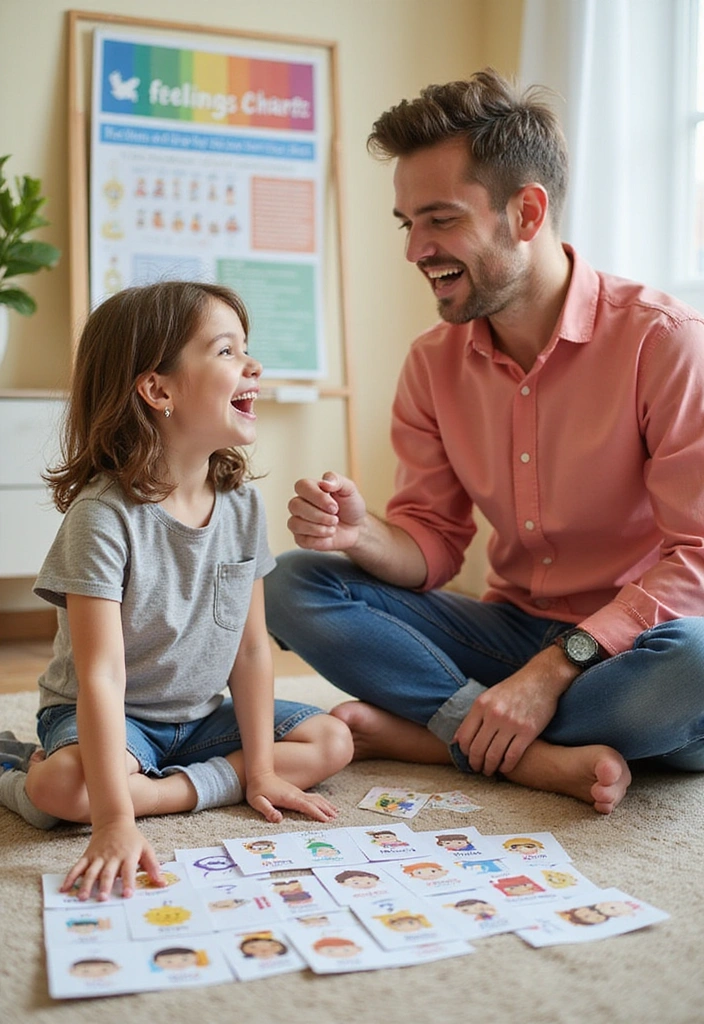
Creating an environment where your child feels comfortable expressing their feelings is crucial. Encourage them to share their thoughts and fears without judgment. Active listening is key — sometimes, kids just want someone to hear them out. You can ask open-ended questions like, “How are you feeling about everything happening around us?” This invites deeper sharing.
To help younger kids articulate their emotions better, consider using a feelings chart for kids. This visual tool can make it easier for them to identify and express their feelings, enhancing communication between you and your child.
You can also share your feelings, too — it normalizes their emotions. Kids learn from your example, so showing vulnerability can be incredibly powerful. Create a safe space, perhaps during a calm moment, where they feel free to talk.
Make it a routine to check in with your child regularly, ensuring that they know they can come to you anytime. It doesn’t just help them vent; it strengthens your bond too! You might also consider giving them a journal, like the journals for kids, where they can write down their thoughts and feelings, helping them process their emotions in a private, safe setting.
– Tips:
– Maintain eye contact to show interest.
– Validate their feelings.
– Avoid interrupting when they speak.
– Unique Insight: In addition to the feelings chart, stories can be powerful tools for emotional understanding. Books such as children’s books on emotions can spark discussions and help kids relate to their own experiences.
2. Establish Routines
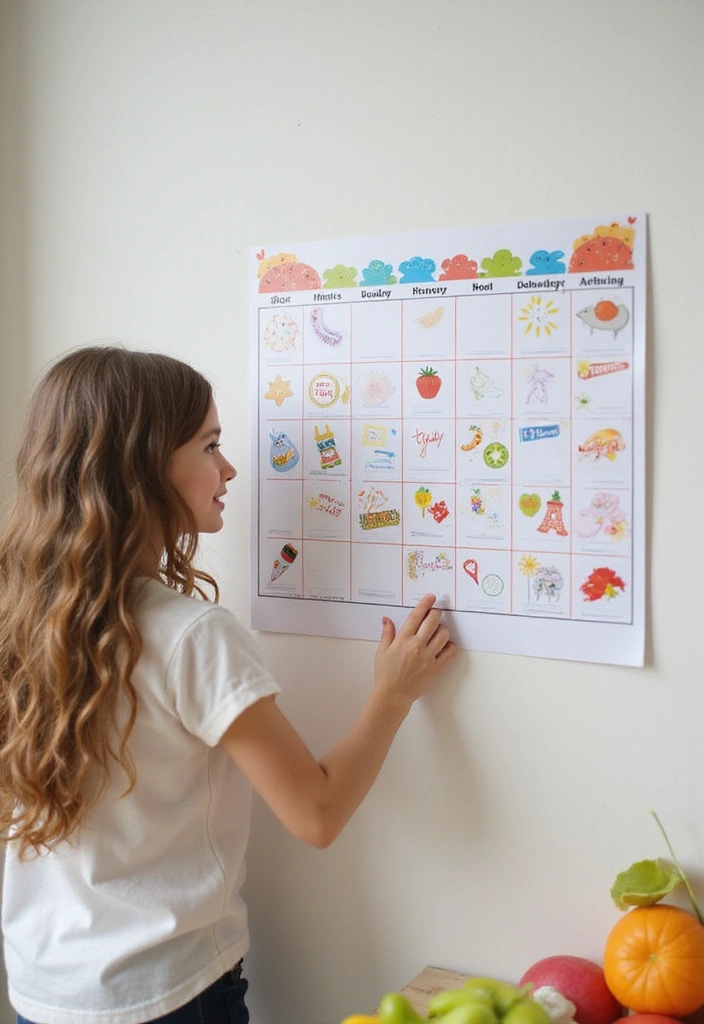
Amid uncertainty, routines can be a child’s anchor. Kids thrive on predictability, and establishing a daily routine can give them a sense of stability. Include regular times for meals, homework, play, and relaxation. This structure helps them know what to expect, reducing anxiety around the unknown.
To make routine-building more engaging, consider involving your child in the process. You might use a visual schedule chart for kids that they can decorate. The fun of personalizing it can spark their interest and increase their engagement with the routine.
Routines can extend beyond the basics. Incorporate family activities such as game nights or movie evenings to reinforce family bonding. A great way to do this is with family board games that offer a variety of options for everyone to enjoy. This not only promotes fun but also strengthens connections among family members.
Also, remember to be flexible and adjust routines as needed; life happens! Unique insight: incorporating small ‘transition’ activities, such as a short meditation or dance break, can help kids shift between routine activities smoothly. For this, you might find value in meditation and mindfulness for kids book, which provides useful strategies for integrating mindfulness into daily life. These elements can significantly help in managing stress and navigating through challenging times.
3. Encourage Creative Expression
### 3. Encourage Creative Expression
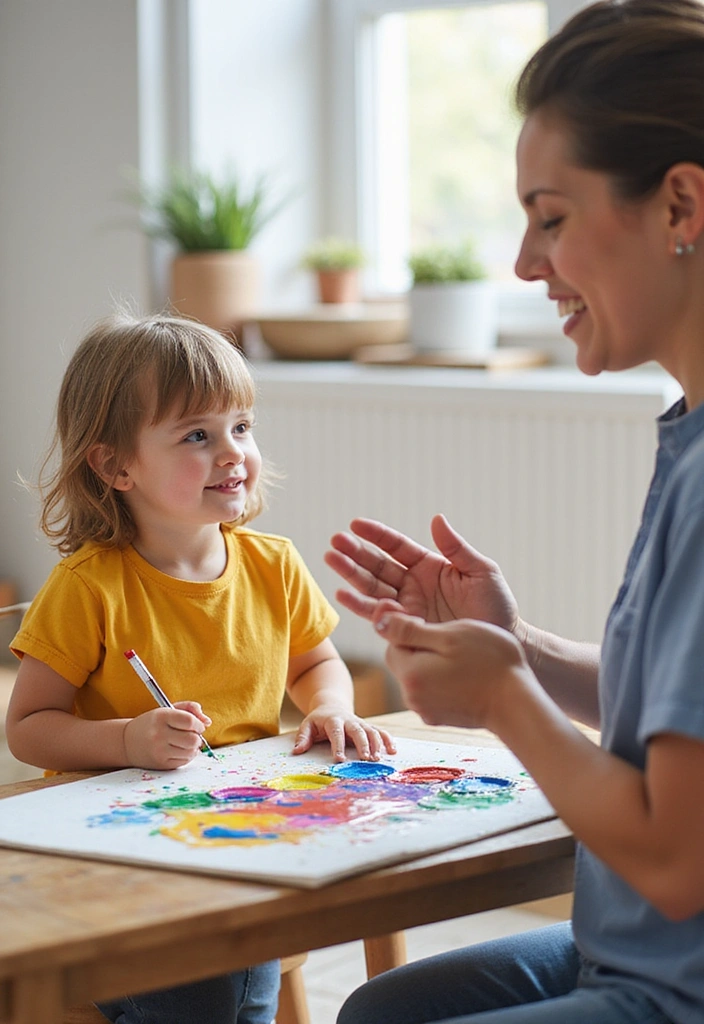
Art and creativity can be a fantastic outlet for stress. Encourage your child to draw, paint, or engage in crafts as a way to express their feelings. Sometimes, it’s easier for kids to convey emotions through art rather than words. Set up a designated creative corner with supplies ready to use whenever inspiration strikes!
Consider providing prompts or themes, like “draw how you feel today” or “illustrate your favorite memory.” This can help them channel their emotions productively. A great way to start is with an art supplies set for kids, featuring fine liner pens that are perfect for detailed drawing and sketching.
You can also explore different mediums like music, dance, or storytelling. Each has its unique appeal and can be therapeutic. For musical expression, consider introducing them to an instrument like a harmonica. It’s easy to learn and can spark a love for music while providing a fun way to relax.
If your child enjoys storytelling, using tools like storytelling board games can enhance their creative writing skills. These prompts can inspire them to weave their thoughts into captivating narratives.
– Tips:
– Join them in creative activities; it strengthens your bond!
– Display their artwork around the house, making them feel valued.
– Unique Insight: Research shows that engaging in creative activities can decrease stress levels significantly and boost happiness.
4. Teach Mindfulness Techniques

Mindfulness is a powerful tool that can help children manage stress. Introducing them to simple practices like deep breathing, meditation, or yoga can provide instant relief during overwhelming moments. You can start small with just a few minutes each day, teaching them how to take a deep breath in through the nose and out through the mouth, letting go of tension.
To make mindfulness engaging, consider using resources like Mindfulness Cards for Kids. These cards offer a variety of mindfulness and meditation exercises that can turn learning into a fun activity, providing kids with tools to cope with anxiety and promoting relaxation.
Additionally, the book Children’s Meditation Book is a wonderful way to introduce kids to meditation through engaging stories and relatable concepts. It’s perfect for helping them develop a deeper understanding of mindfulness.
You can even turn mindfulness into a family ritual!
– Tips:
– Lead by example; practice mindfulness yourself.
– Use visuals or games to teach mindfulness concepts.
– Unique Insight: Studies indicate that kids who practice mindfulness regularly show improved focus and emotional regulation, benefiting their overall development.
5. Limit Media Exposure

Media can amplify stress, so it’s vital to monitor what kids are exposed to. While it’s important to stay informed, endless news coverage can overwhelm kids. Set boundaries on media consumption to protect their mental health. Consider designating ‘media-free’ times during the day, encouraging non-screen activities instead.
To facilitate meaningful media engagement, you might explore options like Mental Health Journal for Men: Creative Prompts, Practices, and Exercises to Bolster Wellness. This journal can provide a constructive outlet for kids to express their feelings and thoughts about what they see in the media. Journaling can help them process emotions and develop resilience.
Additionally, discussing the information you do consume together can turn it into a family activity. Watching a documentary or reading a book about coping with challenges can frame discussions positively. For instance, you could utilize a resource like Harry Potter and the Half-Blood Prince as an engaging way to explore themes of friendship and resilience.
– Tips:
– Choose age-appropriate content; some topics may be too intense for younger viewers.
– Offer alternatives, like podcasts or audiobooks that inspire and educate.
– Unique Insight: Kids who engage with media critically tend to develop better media literacy skills and are more resilient against misinformation.
6. Foster Connection with Nature

Nature has a unique way of soothing the spirit. Encouraging your kids to spend time outdoors—whether it’s hiking, gardening, or simply playing in the backyard—can significantly enhance their mental health. Nature provides fresh air and sunshine, both vital for well-being. You can plan outdoor family activities like picnics or nature walks to foster this connection. The sights and sounds of nature can be grounding and calming, helping them disconnect from everyday stressors.
One way to enhance their outdoor experiences is to document their adventures in a nature journal. A Tree of Life artisan journal is perfect for this—it allows them to capture their observations and reflections, nurturing their appreciation for the little things around them. Encourage them to watch clouds, feel the grass underfoot, or listen to birds while they jot down their thoughts.
If you’re planning on hiking or exploring nature, having proper footwear is essential. Consider investing in Men’s Moab 3 hiking shoes for both comfort and support on trails. Good footwear helps them enjoy their adventures without discomfort, allowing them to focus on the beauty of their surroundings.
Additionally, teach your kids mindfulness activities during nature walks to further enhance their experience. Studies show that children who spend time in nature exhibit less anxiety and improved emotional regulation, making these moments even more valuable.
7. Embrace Play as a Stress Reliever

Play is essential to childhood, especially during tough times. Engaging in play provides an outlet for stress relief and emotional expression, making it crucial for kids to have opportunities to unwind. Encourage your children to dive into activities that spark joy, such as building forts, playing dress-up with a fun kids old man costume, or participating in sports.
To amplify the joy of play, consider setting aside dedicated playtime every day, regardless of your busy schedule. Whether it’s a family game night with engaging options like the Fast Sling Puck Game, which tests speed and accuracy, or an outdoor playdate with a golf net with practice mat for backyard chipping training, these activities not only foster fun but also strengthen social connections.
Being a part of their play not only boosts their confidence but also strengthens your relationship. Remember, play therapy has been recognized as an effective way for children to process emotions and stress, helping them cope better in challenging situations.
8. Create a ‘Worry Box’ for Overflowing Thoughts
This is the game-changer you’ve been waiting for!
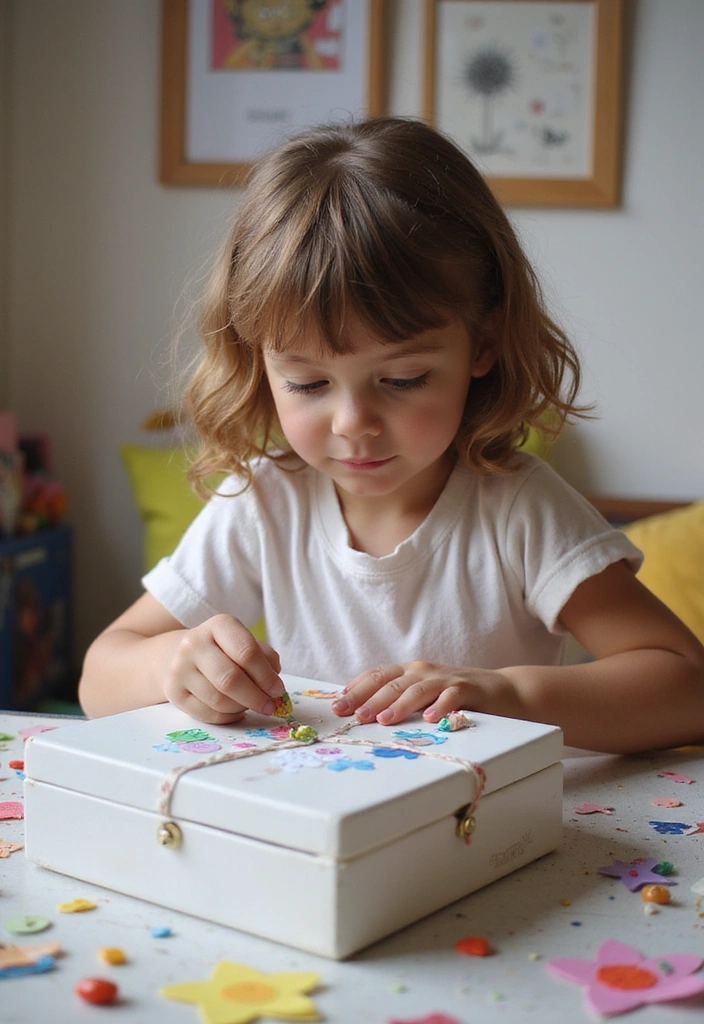
A ‘Worry Box’ is a simple yet powerful tool for helping kids manage overwhelming thoughts. Get a box (it could be a shoebox or a decorative one) and encourage your child to write down anything that’s bothering them on slips of paper. To make it special, consider using a decorative storage box that they can personalize and cherish.
Once they write down their worries, they can put them in the box, symbolically letting go of those thoughts. Set a designated time each week to revisit the box together. This practice can help children realize they can express their feelings and not carry them alone.
– Tips:
– Reinforce that it’s okay to have worries and they’re not alone in feeling this way.
– Make the practice regular to encourage ongoing emotional expression.
– Unique Insight: Utilizing this method can empower children to externalize and confront their worries, gradually reducing their emotional burden. To further support their emotional expression, consider providing them with children’s journals for emotional expression. Writing in a journal can complement the Worry Box by allowing them to expand on their thoughts and feelings.
For a fun and engaging way to manage stress, you might also introduce the stress relief fidget toys for kids. These handheld tools can help kids find focus and clarity, making it easier for them to navigate their emotions, especially when they feel overwhelmed.
9. Foster Problem-Solving Skills

Helping children develop problem-solving skills is key during crises. When they face challenges, guide them to break down the issues into manageable parts. Encourage them to brainstorm solutions and evaluate pros and cons together. This empowers them to take ownership of their obstacles and fosters resilience.
To make this process engaging, consider incorporating play into problem-solving scenarios. Using a children’s problem-solving board game can facilitate discussions around real-life challenges while having fun. With 100 different games to choose from, it provides a dynamic way for kids to practice breaking down problems and finding solutions.
You can also use role-playing to enact various scenarios and practice these skills. A set of role-playing scenario cards can enhance this experience, allowing kids to explore different perspectives and outcomes in a playful manner. This method not only builds confidence but also invites creativity in how they approach conflict resolution.
Additionally, fostering a growth mindset is essential. A growth mindset journal for kids can provide a dedicated space for them to embrace challenges, set goals, and reflect on their problem-solving journeys. Celebrating their solutions, no matter how small, encourages resilience and reinforces the idea that mistakes can lead to growth.
Children who develop problem-solving skills early on are more likely to navigate future challenges with confidence and ease.
10. Foster Healthy Coping Strategies

Teaching your children healthy coping strategies is crucial for their emotional toolkit. Guide them in recognizing their feelings and responding constructively. Whether it’s taking a walk, talking to a friend, or writing in a journal, every child will have preferences. As they explore different methods, they’ll find what resonates with them best.
Model these behaviors yourself; children often emulate what they see. When confronted with stress, show them how you cope in healthy ways, whether through exercise, relaxation, or seeking support. For instance, using a stress relief essential oil roll-on blend can be a calming method for both you and your child. The soothing scents like lavender and frankincense can help create a tranquil environment that encourages emotional regulation and relaxation.
Additionally, journaling can be a powerful tool for managing emotions. Introducing a mental health journal with creative prompts can help children express their feelings and thoughts. This practice not only enhances their writing skills but also provides a safe space for them to explore their emotions and develop resilience.
– Tips:
– Create a ‘feelings menu’ listing various coping strategies they can choose from.
– Praise their efforts in trying new methods, reinforcing that it’s okay to seek help.
– Unique Insight: Teaching coping strategies early on equips children with the skills they need to navigate life’s ups and downs, promoting long-term resilience and emotional health.
11. Maintain Physical Health

Physical health plays a pivotal role in mental well-being. Encouraging regular exercise, a balanced diet, and adequate sleep can significantly support kids during challenging times. Engaging in activities like biking, swimming, or even dancing allows children to let off steam and boost their mood. To help track their progress and encourage daily movement, consider a tool like the Fitbit Inspire 3 health & fitness tracker. It offers stress management features, workout intensity tracking, and sleep monitoring, which can motivate kids to stay active and monitor their well-being.
Nutrition also matters; together, you can plan healthy meals that are colorful and delicious, keeping them excited about food. Meal prep days can be a fun bonding time, allowing kids to take part in cooking healthy dishes. Using an Amazon Basics extra thick exercise yoga mat can enhance their experience, whether they’re trying out yoga or other home workouts, making exercise more comfortable and enjoyable.
Make sleep a priority by establishing bedtime routines that promote restful nights — think storytime or gentle music. Consistent and restful sleep is crucial for maintaining mental clarity and emotional balance.
– Tips:
– Create a family fitness challenge to make exercise a fun goal.
– Use meal prep days as bonding time, allowing them to take part in cooking healthy meals.
– Unique Insight: Research shows that children engaged in regular physical activity exhibit decreased levels of anxiety and improved mood.
12. Seek Professional Support if Needed

Sometimes the best support comes from professionals. If you notice excessive stress or emotional challenges in your child, don’t hesitate to seek help from a psychologist or counselor. Early intervention can make a significant difference in their emotional development. Many therapists specialize in children’s needs, employing techniques that resonate with kids, like play therapy or art therapy.
To complement professional support, consider resources that can aid in managing stress at home. For instance, the book Stop Overthinking: 23 Techniques to Relieve Stress, Stop Negative Spirals, Declutter Your Mind, and Focus on the Present (the Path to Calm) offers practical strategies for reducing anxiety and fostering a calmer mindset.
Engaging in mindfulness activities can also be beneficial. The Mindsight ‘Breathing Buddha’ Guided Visual Meditation Tool for Mindfulness is a great option to help your child slow down their breathing and calm their mind when feeling overwhelmed.
Additionally, making family time stress-relieving can be fun with the BEST 100 Mindful Prompts for Self Care & Stress Relief. This set of cards can serve as a perfect way to encourage open discussions about feelings and mindfulness practices together.
You can also explore community resources or online counseling options, especially if in-person sessions are challenging to arrange.
– Tips:
– Discuss therapy openly with your child, emphasizing that it’s a safe place to talk.
– As a family, normalize seeking help, reinforcing that everyone needs support sometimes.
– Unique Insight: Involving children in the decision-making process about seeking help can empower them, fostering a positive view of mental health care.
Conclusion

Navigating a crisis is never easy, especially for kids.
But by implementing these strategies, you can significantly help them cope and thrive. Remember, patience and love go a long way in building resilience. As parents, you have an incredible opportunity to guide your children through these challenges, making them stronger for whatever comes next.
Let’s embark on this journey together, creating a supportive environment that nurtures their emotional health!
Note: We aim to provide accurate product links, but some may occasionally expire or become unavailable. If this happens, please search directly on Amazon for the product or a suitable alternative.
This post contains Amazon affiliate links, meaning I may earn a small commission if you purchase through my links, at no extra cost to you.