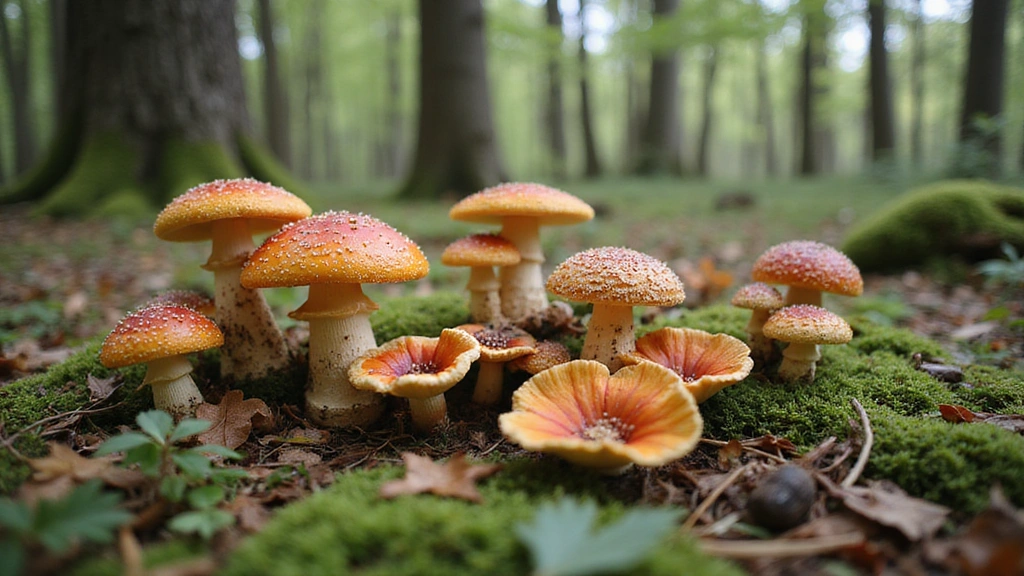
Mushroom foraging can be an exhilarating experience, but it comes with its own set of challenges and risks.
The allure of discovering hidden treasures in the woods is undeniable, yet the stakes can be high if you misidentify those fungi.
With the right knowledge and tips, you can safely navigate the world of mushroom foraging and enjoy the bounty nature has to offer.
From understanding key identification features to practical safety tips, these 15 secrets will sharpen your foraging skills and give you the confidence to explore the forest floor like a pro!
Contents
- 1. Master the Art of Identification
- 2. Look for Environment Clues
- 3. Know Your Seasons
- 4. Use the Spore Print Technique
- 5. Trust Your Nose
- 6. Beware of Look-Alikes
- 7. Always Test New Varieties
- 8. Understand Regional Differences
- 9. Store Your Finds Properly
- 10. Learn Cooking Techniques
- 11. Respect the Ecosystem
- 12. Attend Mushroom Festivals
- 13. Educate Yourself Continuously
- 14. Keep Calm and Enjoy the Process
- 15. Share Your Knowledge
1. Master the Art of Identification
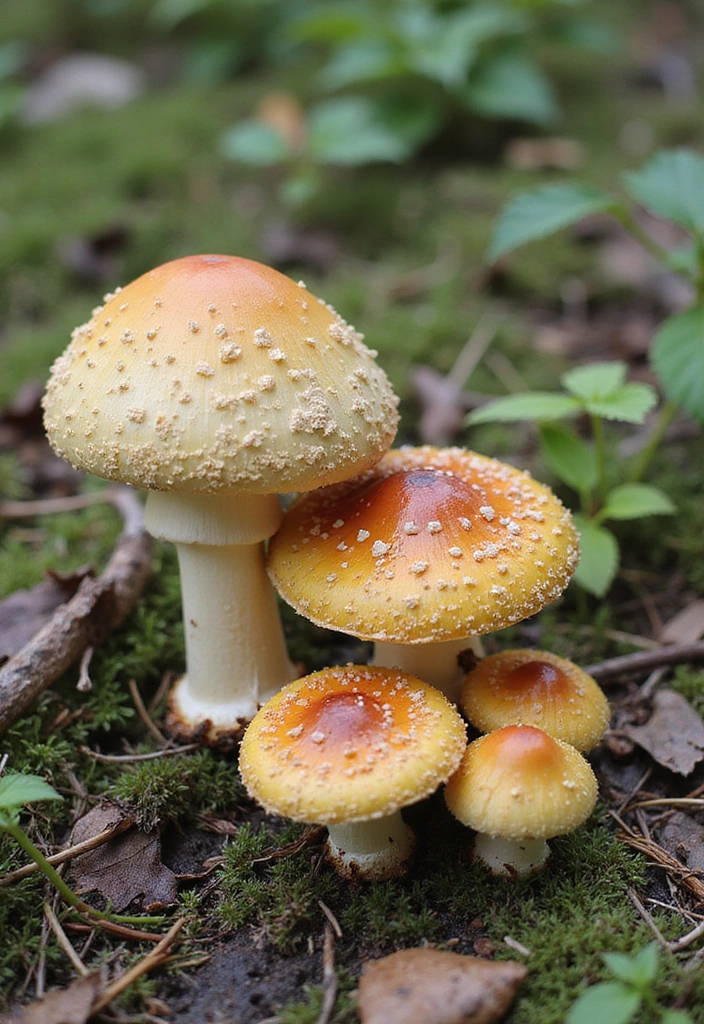
Understanding how to properly identify mushrooms is your first line of defense against poisoning. Familiarize yourself with common edible varieties in your area, but don’t stop there—study their toxic look-alikes as well. Key features to observe include cap shape, gill structure, and spore print color.
Here are some essential tips to enhance your identification skills:
– Always carry a reliable field guide specific to your region, such as the Peterson Field Guide to Mushrooms Of North America, Second Edition, which comes complete with photos to assist you in making accurate identifications.
– Join local foraging groups for hands-on identification experience from seasoned foragers. Engaging with others enhances your learning and boosts confidence.
– Take detailed notes during your foraging excursions, including habitat, time of year, and weather conditions. Consider using the Forager’s Journal to keep all your notes organized in one place, helping you track your progress and observations.
– Keep a journal of your findings to help you remember key characteristics. The right journal can make this process more enjoyable and systematic.
It’s crucial to remember: when in doubt, throw it out! Being confident in your identifications is paramount to your safety and enjoyment. Don’t rush; spend time learning about the mushrooms that intrigue you the most. And for those looking to expand their knowledge even further, consider a mushroom identification app subscription that can provide valuable insights and visual aids right on your smartphone.
2. Look for Environment Clues
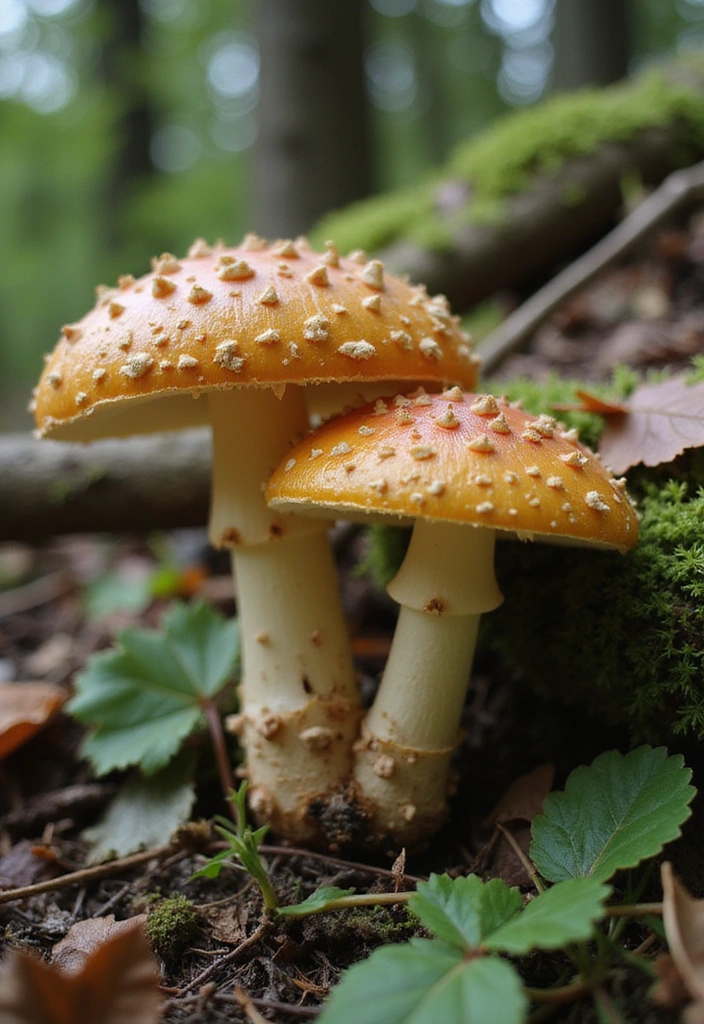
The environment where mushrooms grow can tell you a lot about their safety. Different species thrive in particular habitats—some prefer decaying wood, others flourish in grassy areas or near certain trees.
Here are some environmental clues to keep in mind:
– Observe the type of substrate (soil, wood, or grass) where mushrooms are found.
– Be cautious of mushrooms growing near toxic plants or in polluted areas.
– Pay attention to moisture levels; some edible mushrooms prefer damp spots while others don’t.
– Identify the tree species in the vicinity; certain mushrooms have symbiotic relationships with specific types of trees.
To enhance your foraging experience and help you identify mushrooms based on their environment, consider investing in a comprehensive resource like Mushroom Identification Guide. This guide provides detailed information on various species and their preferred habitats, making it easier to connect the dots between the environment and the mushrooms you encounter.
Additionally, for an in-depth exploration of mushrooms across North America, the Field Guide to Mushrooms is an excellent choice. It includes valuable insights on where different mushrooms thrive, helping you to discern which types are likely safe to eat and which ones to avoid. By understanding these ecological relationships at play, you can increase your confidence in foraging safely.
3. Know Your Seasons
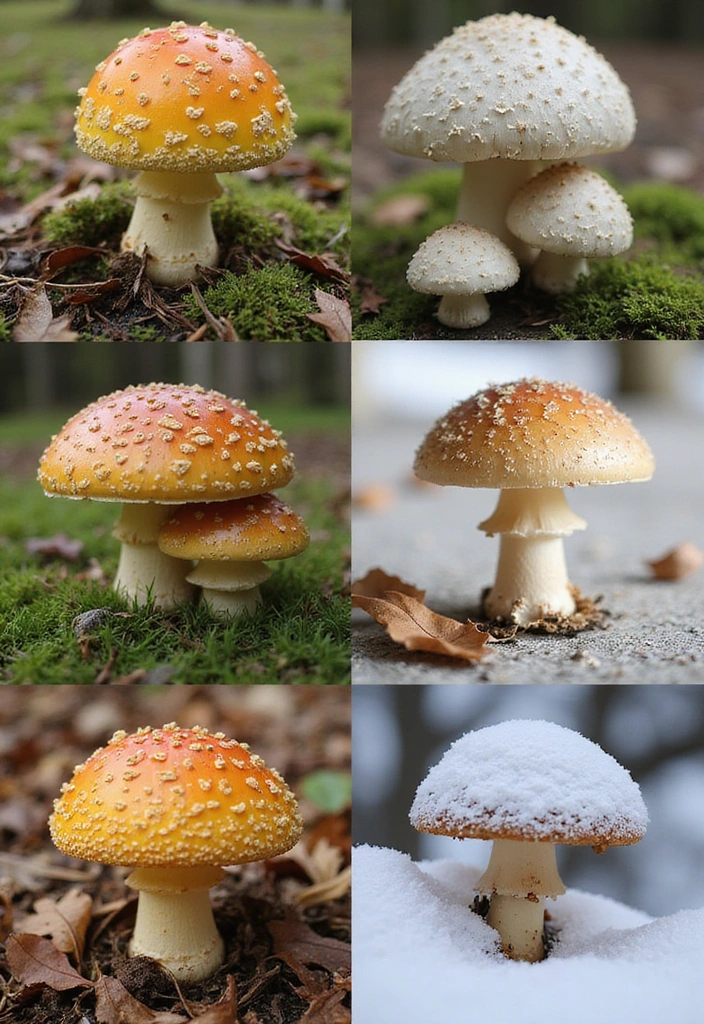
Timing is everything when it comes to mushroom foraging. Different species appear during different seasons, and knowing the best times to forage increases your chances of a successful outing.
Here are some seasonal tips:
– Spring often brings morel mushrooms, while fall is prime time for chanterelles and porcini.
– Make a calendar of mushroom seasons in your area; it will help you plan your foraging trips effectively.
– Be aware of sudden weather changes; rain can lead to a mushroom boom, but frost may kill off some species.
– Take note of how temperature variations affect growth; warmer temperatures can lead to more diverse fungi.
To deepen your understanding of mushroom identification and seasonal patterns, consider picking up the Mushroom Foraging Guidebook. This resource provides essential tips on gathering wild mushrooms and other fungi, helping you navigate the seasonal landscape more confidently.
Additionally, the Field Guide to Mushrooms is another great companion for your foraging adventures, offering detailed information on various species and their habitats. By understanding seasonal patterns and having the right guides at your side, you gain a strategic edge in your foraging adventures.
4. Use the Spore Print Technique
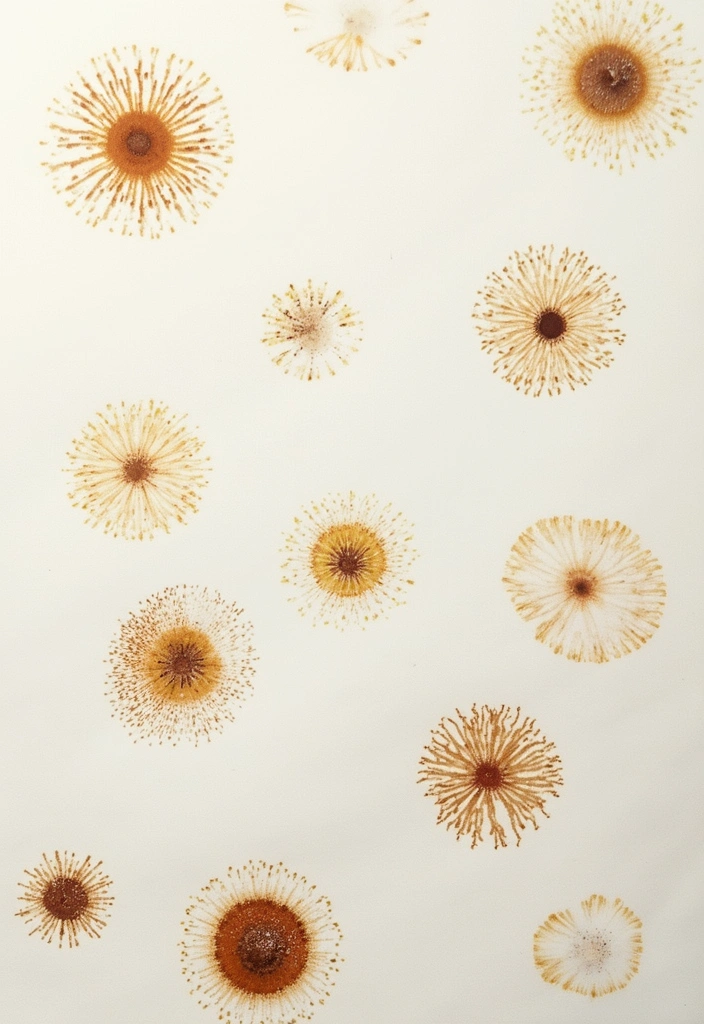
The spore print is a straightforward yet effective method for mushroom identification. To conduct a spore print, place a mushroom cap, gills down, on a piece of white paper and cover it with a bowl. After a few hours, you’ll see the color of the spores left behind, which can help you classify the mushroom further.
Here’s how to use the spore print effectively:
– Collect several specimens to compare prints; some mushrooms have similar appearances but different spore colors. Using Mushroom Identification Guide can provide you with valuable insights into various species.
– Note the print color; it can be a crucial identifier between edible and toxic varieties.
– Store your spore prints for future reference and to refine your identification skills. If you’re looking for the right paper to capture those prints, consider using spore print paper, which is perfect for this technique.
– Remember, size and shape can vary among mushrooms of the same species, but the spore print remains consistent.
Using this technique can significantly elevate your foraging game!
5. Trust Your Nose
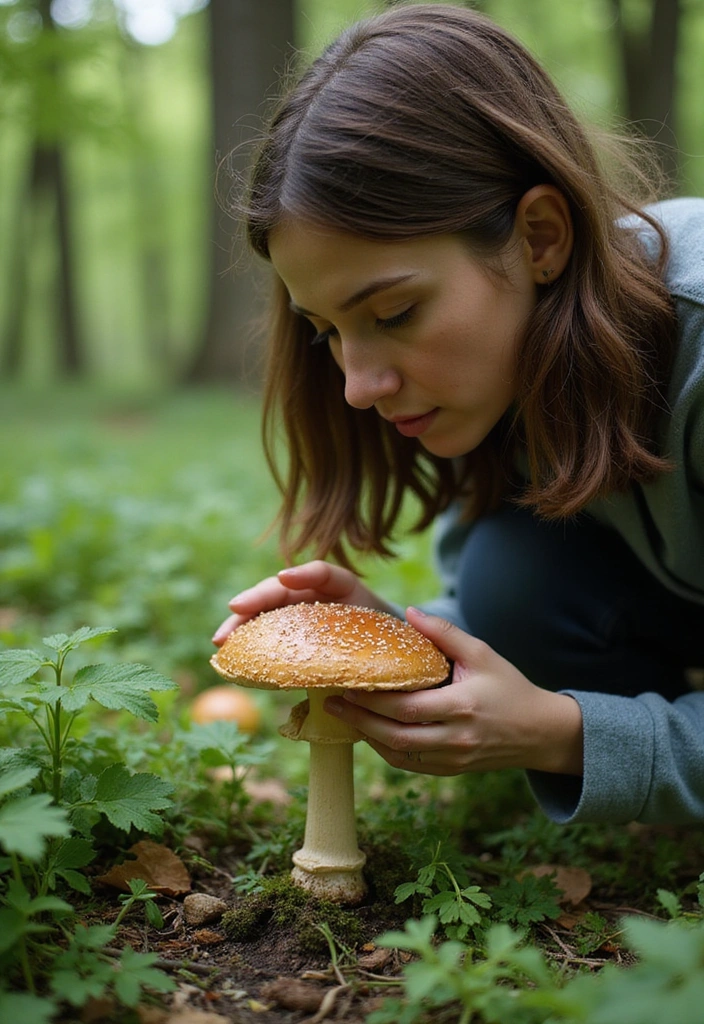
Believe it or not, your sense of smell can be a reliable ally in mushroom foraging. Many edible mushrooms have distinct scents that can help in identification, while most toxic mushrooms tend to have an unpleasant odor.
Here’s what to focus on:
– Familiarize yourself with the aromas of known edible mushrooms, such as the nutty scent of shiitake or the sweet aroma of chanterelles. A great resource for this is the mushroom identification guide, which provides detailed descriptions and images to assist in learning those scents.
– Be cautious of mushrooms that smell rank or sulfurous; these are often signs of toxicity. The more you learn about the different odors, the better you can navigate potential risks.
– Make it a habit to breathe in the scent of mushrooms before deciding to keep them. If it smells strange, ditch it. Keeping a foraging journal can help you document your findings and the associated smells, enhancing your identification skills over time.
– Consider using a mushroom scent kit to cultivate an understanding of the various aromas. This could be particularly helpful as you learn to distinguish between edible and toxic species.
Engaging your sense of smell not only enhances your experience but also provides additional safety in foraging.
6. Beware of Look-Alikes
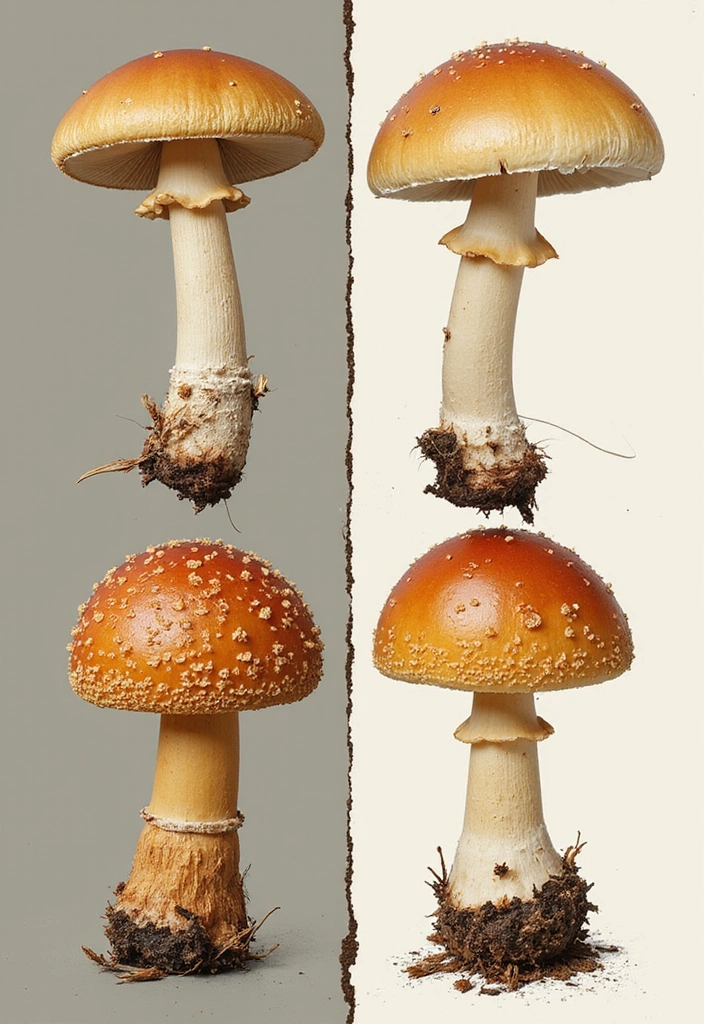
Even seasoned foragers can mistake edible mushrooms for their toxic counterparts, making knowledge about look-alikes critical.
Some mushrooms can share key characteristics, so thorough observation is essential. Here’s how to navigate this tricky terrain:
– Research common edible mushrooms alongside their look-alikes to see the differences. A great resource for this is the Mushroom Identification Guide, which provides comprehensive information on identifying various species.
– Pay special attention to features like cap color, stem shape, and gill structure, as these can vary.
– Take a photo of the mushroom from different angles for later comparison against guides. Using tools from a mushroom foraging kit can enhance your experience. The kit includes a hunting bag, mushroom knife, brush, guide cards, and a notebook, all of which help you document your findings and ensure you’re on the right track.
– Always cross-reference your findings with multiple sources, including local mushroom clubs or experts.
By familiarizing yourself with look-alikes and utilizing these helpful products, you can avoid what could be a dangerous mistake.
7. Always Test New Varieties

Before diving into a new mushroom variety, it’s crucial to take a cautious approach—the ‘Test Bite’ method can be a game changer!
This method involves taking a small sample of the mushroom and waiting 24 hours to see if there are any adverse reactions. Here’s how to do it safely:
– Start with a small amount of the mushroom cooked, as cooking can change how your body reacts.
– Ensure you are in a safe space where you can monitor yourself for any allergic reactions, and it might be wise to have a portable first aid kit on hand. This kit includes assorted adhesive bandages and gauze pads, which can be handy for any minor incidents that may occur during your foraging adventures.
– Avoid mixing new varieties with other foods during this test to pinpoint any reaction accurately.
– If you experience any discomfort, seek medical attention immediately.
– Document your experience for future reference to build a list of mushrooms your body can tolerate.
Additionally, consider using a resource like Mushroom Identification Guide to help you safely identify mushrooms and enhance your foraging skills. This small step can save you from a potentially serious situation, making foraging much safer!
8. Understand Regional Differences
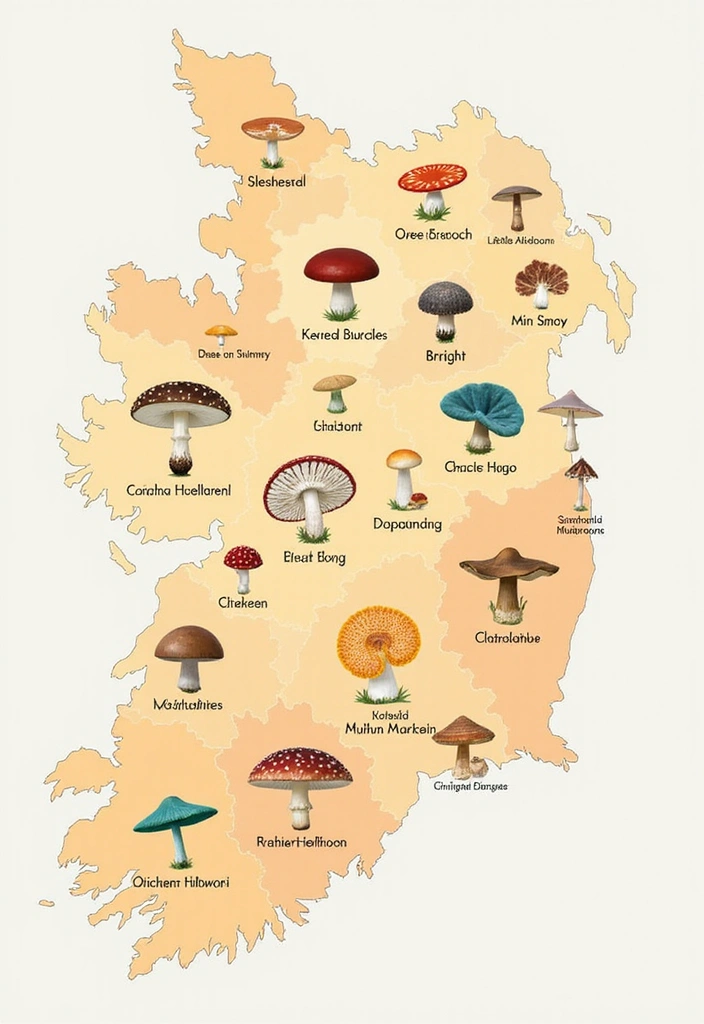
Mushroom varieties can differ significantly depending on your geographical location. What is edible in one region may not be in another, so understanding local mushroom culture is key.
Here’s what to keep in mind:
– Research the common mushrooms found in your area through local foraging books or websites. A great resource is the mushroom identification guide, which can help you recognize safe varieties in your region.
– Connect with local foragers to learn about their experiences and favorite finds. Engaging with the community can provide invaluable insights into the best spots and seasonal availability.
– Attend regional foraging workshops for hands-on learning and to taste local specialties. These workshops often provide opportunities to use essential tools, such as the Opinel No. 08 mushroom knife, which is perfect for picking and cleaning mushrooms with its integrated brush and curved blade.
– Keep an eye on regional safety regulations, as some areas might have restrictions on foraging certain species. Understanding these rules can prevent you from inadvertently harvesting protected varieties.
By getting to know your local fungi, you not only ensure safety but also enhance your foraging adventure. Don’t forget to bring a sturdy foraging basket to carry your finds—it will make your foraging experience much more enjoyable and organized!
9. Store Your Finds Properly
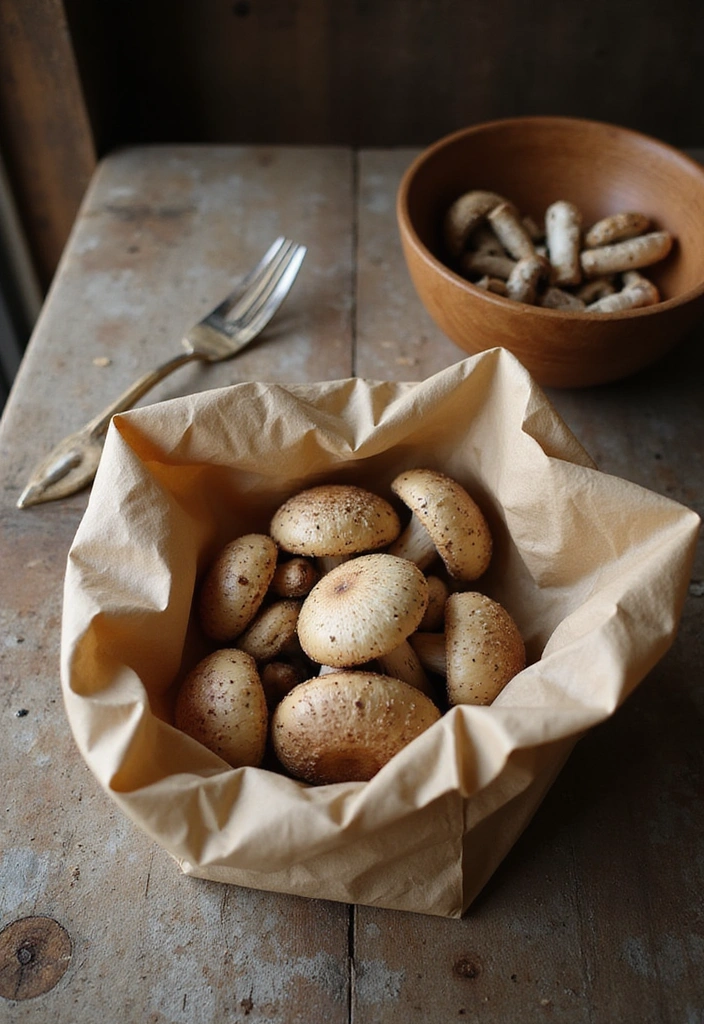
Once you’ve foraged your mushrooms, proper storage is crucial for maintaining their freshness and safety.
Here are some practical storage tips to keep them in top condition:
– Use reusable paper bags for foraging instead of plastic; paper allows for air circulation, preventing moisture buildup that can cause rot.
– Keep them in a cool, dark place until you’re ready to use them.
– If you can’t use them right away, consider using a food dehydrator to dry them or freeze them to enjoy later.
– Clean them gently with a mushroom brush to remove any dirt before storage, as washing can lead to spoilage.
These simple practices, along with the right products, ensure that you savor the fruits of your foraging efforts without any waste.
10. Learn Cooking Techniques
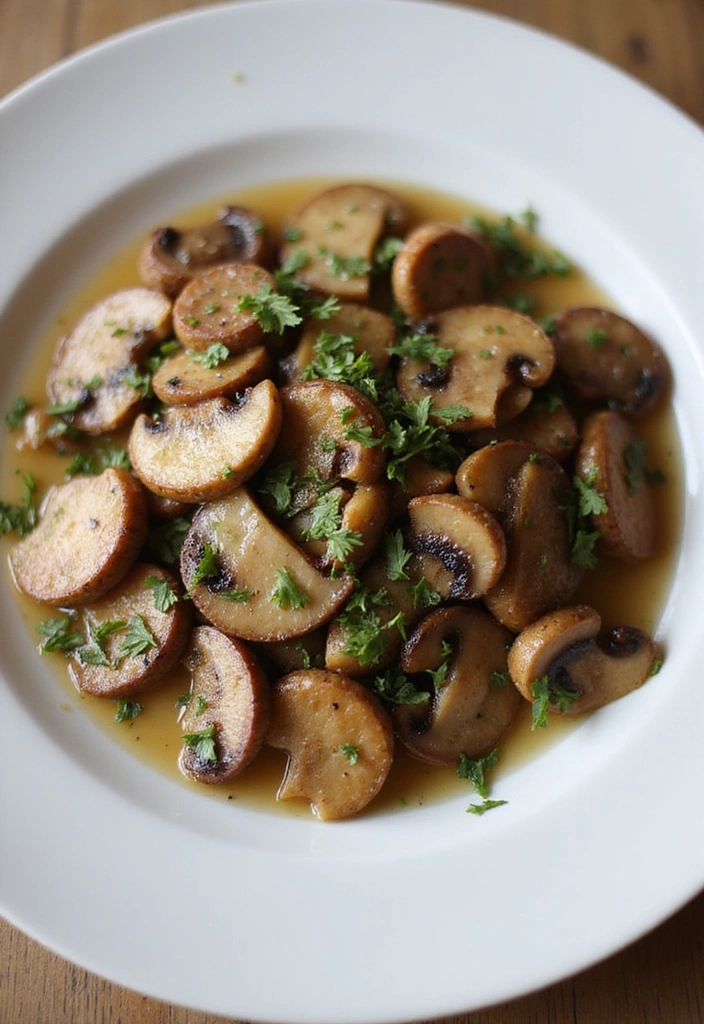
Once you’ve safely foraged and stored your mushrooms, it’s time for the fun part—cooking!
Mushrooms can be incredibly versatile and enhance many dishes, but knowing the right techniques is vital. Here are some cooking tips tailored for foraged mushrooms:
– Sautéing is a quick and effective method that preserves flavor while cooking them evenly. Using a high-quality chef’s knife, like the High-Quality Chef’s Knife, can help you chop and prepare your mushrooms with precision.
– Consider roasting to bring out earthy flavors; a drizzle of olive oil and some herbs can transform them. A cast iron skillet, such as the Cast Iron Skillet, is perfect for this method, as it provides excellent heat retention and helps develop a deep, rich flavor.
– Try incorporating them into soups or stews for added depth and richness.
– Some mushrooms, like chanterelles and morels, shine best when prepared simply with butter and salt.
Experimenting with different cooking methods can elevate your meals and make the most of your foraged treasures.
11. Respect the Ecosystem
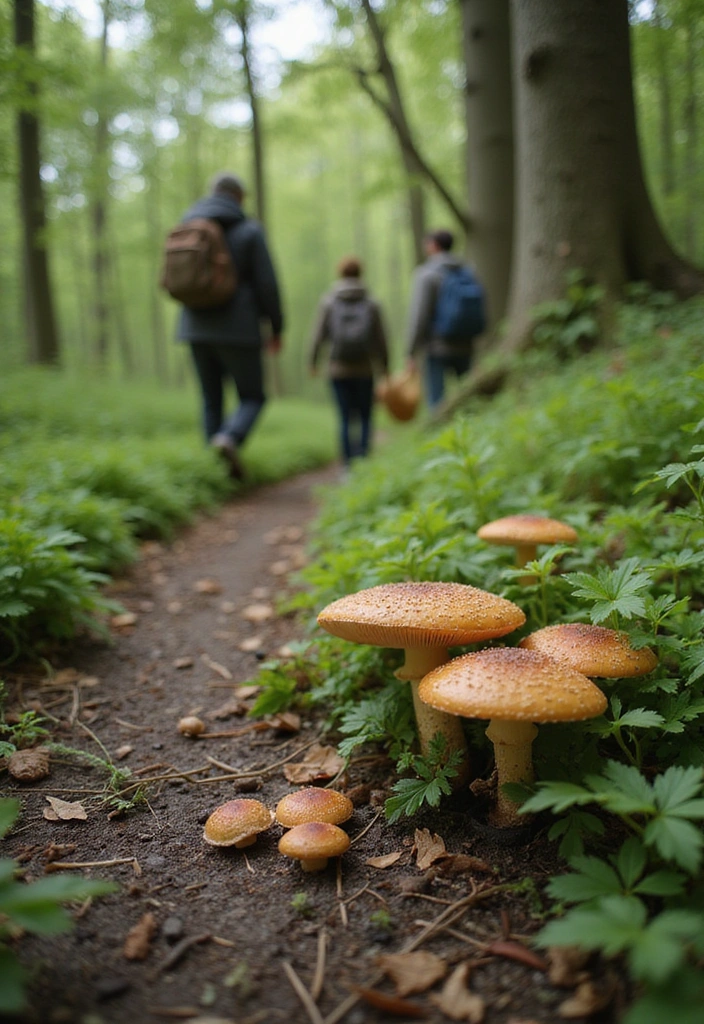
Foraging isn’t just about the hunt; it’s also about respecting and preserving nature. Understanding the impact of your foraging on the environment is vital to sustainable practices.
Here’s how you can forage responsibly:
– Only collect what you need; taking too much can disrupt local ecosystems.
– Leave some mushrooms behind to allow spore dispersal and future growth.
– Stick to established trails and avoid trampling on delicate vegetation.
– Educate others about responsible foraging practices to promote sustainability within your community.
To assist in your foraging endeavors, consider using an mushroom identification guide to enhance your knowledge of safe mushroom species. This resource is invaluable for preventing potential poisoning and ensuring that you only gather what is safe and sustainable.
Additionally, using an eco-friendly foraging basket can help you collect your finds responsibly. This handmade basket not only provides a durable way to carry your mushrooms but also allows for proper ventilation, ensuring that your haul stays fresh.
By being a mindful forager equipped with the right knowledge and tools, you help ensure that future generations can enjoy the beauty and bounty of nature as well.
12. Attend Mushroom Festivals
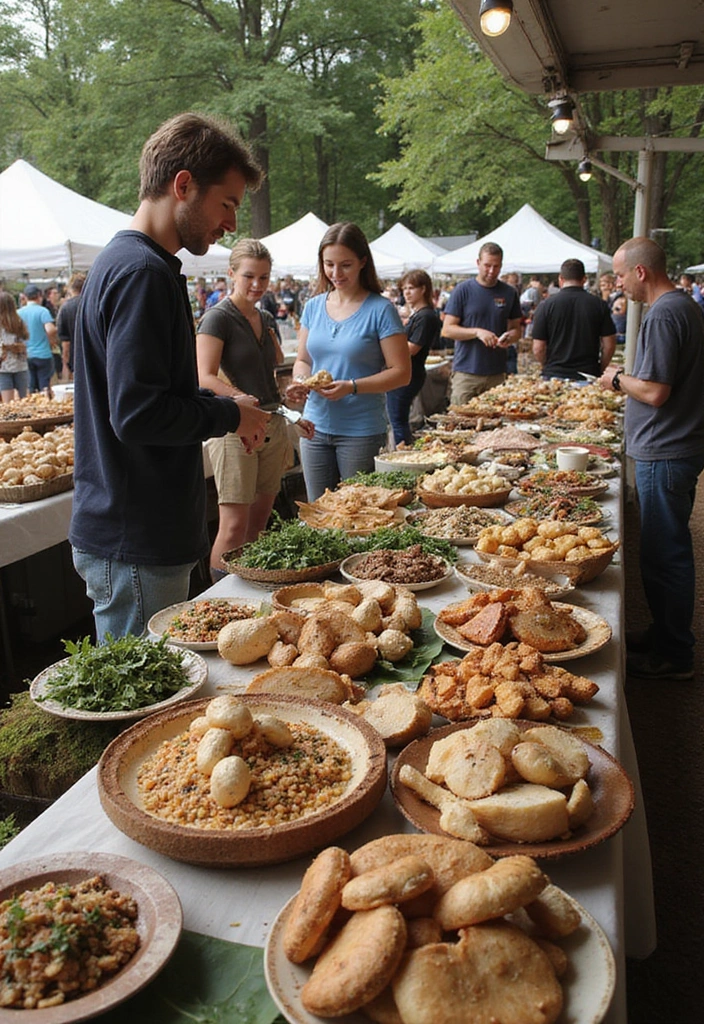
Mushroom festivals are more than just a gathering; they’re a fantastic way to connect with fellow enthusiasts and expand your knowledge.
These events often feature workshops, expert talks, and delicious food tastings, making them a forager’s dream. Here’s what to expect:
– Engage with mushroom experts who can share valuable insights and identification tips.
– Participate in foraging walks to gain hands-on experience in a friendly environment.
– Sample gourmet dishes featuring local mushrooms, which can inspire your own cooking.
– Connect with local vendors and purchase foraging supplies or resources to enhance your skills.
To make the most of your festival experience, consider bringing along a few essential items. A good starting point is a reliable mushroom identification guide to help you recognize different species confidently. This resource can be invaluable when you’re engaging with experts and trying to remember specific details about various mushrooms.
You’ll also want to have a sturdy foraging basket to collect any mushrooms you find during the foraging walks. A well-crafted basket not only makes the gathering process easier but also adds an element of style as you connect with fellow foragers.
Lastly, don’t forget a specialized tool like the mushroom knife. This handy item will help you pick and clean mushrooms with ease, ensuring you take home only the best finds from your festival adventure.
Attending these festivals can deepen your love for foraging while providing a sense of community, all while being equipped with the right tools to enhance your experience.
13. Educate Yourself Continuously
The world of mushrooms is vast and ever-evolving, so continuous education is essential. Stay curious and committed to learning more about fungi and foraging techniques.
Here are some ways to keep expanding your knowledge:
– Read books and articles focused on mushroom identification and foraging practices. For example, the Mushroom Identification Field Guide is an excellent resource that can help you accurately identify and gather wild mushrooms and other fungi.
– Join online forums where experienced foragers share tips and stories.
– Attend lectures or workshops at local universities or community centers.
– Follow social media accounts that specialize in mushrooms for daily inspiration and information.
Maintaining an ongoing learning mindset allows you to stay informed and safe while foraging.
14. Keep Calm and Enjoy the Process
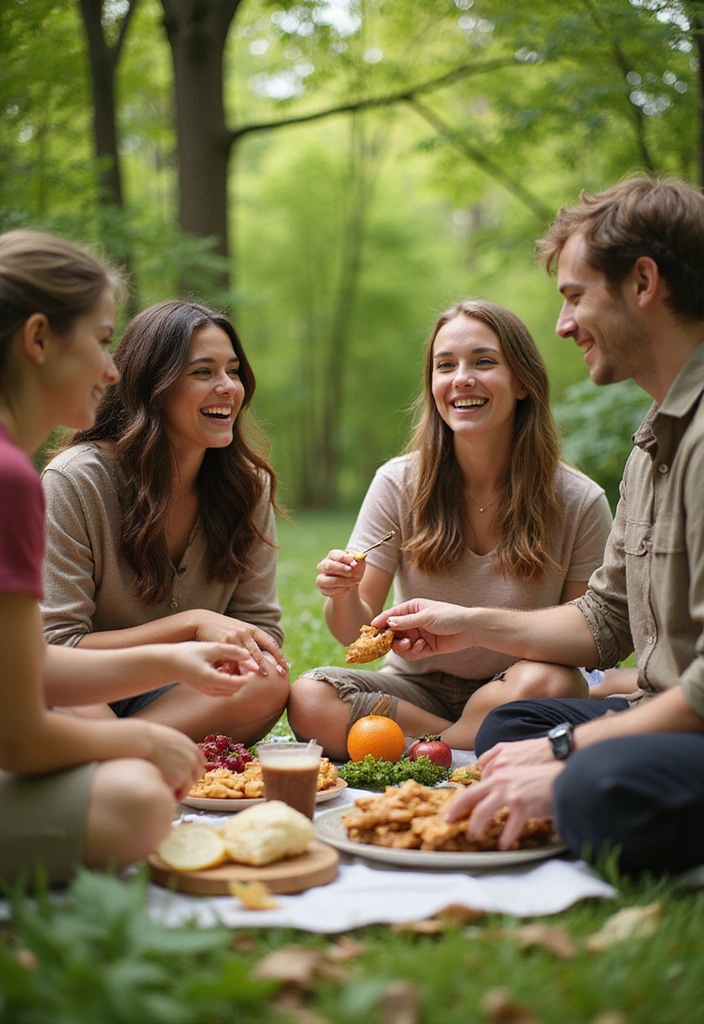
Foraging for mushrooms should be an enjoyable experience, so remember to stay calm and have fun!
The thrill of discovery and connecting with nature can be incredibly fulfilling, so don’t let fear overshadow your adventures. Here’s how to keep things light:
– Go with a friend or group to share the excitement and knowledge. This makes the experience more enjoyable and less intimidating.
– Make it a picnic day; pack some snacks in a portable picnic set. This 16-piece set includes everything you need for a delightful outdoor meal, allowing you to celebrate your finds in the great outdoors.
– Document your foraging adventures with a camera for nature photography. The KODAK PIXPRO AZ405-BK is perfect for capturing the beauty of the mushrooms and surroundings, creating lasting memories of your excursions.
– Approach each outing with a sense of curiosity and wonder; every trip is a new opportunity to learn. To enhance your mushroom foraging knowledge, consider a mushroom identification guide. This resource can help you confidently identify edible mushrooms, enhancing your foraging experience.
Enjoying the process can lead to a deeper appreciation for the natural world and the gifts it provides.
15. Share Your Knowledge
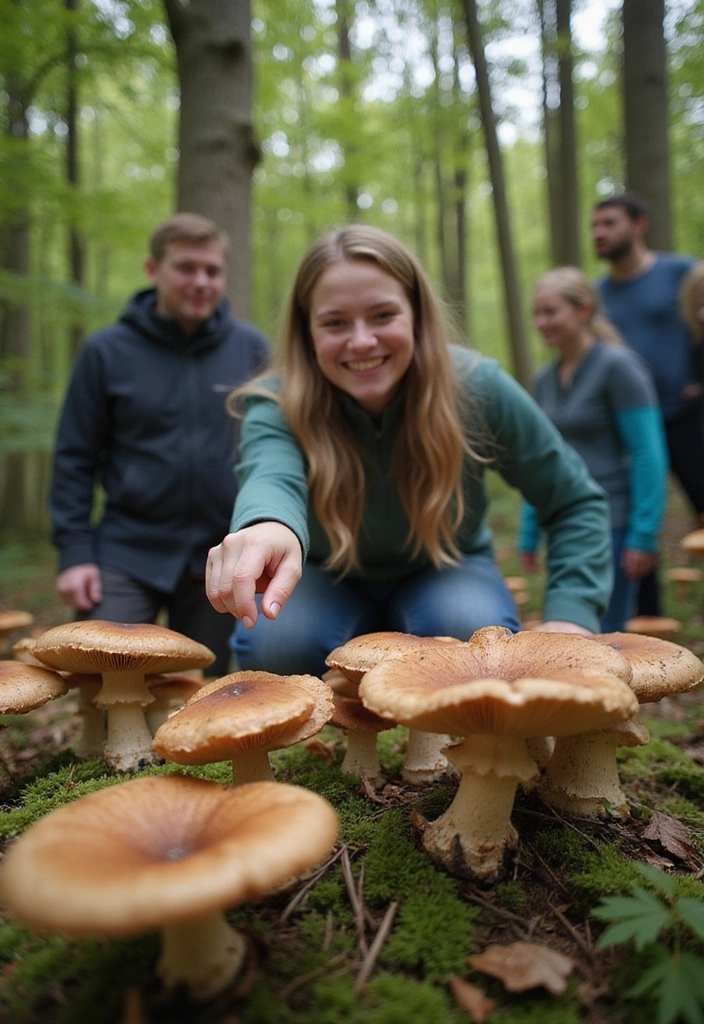
Once you’ve gained expertise in mushroom foraging, consider sharing your knowledge with others. Whether it’s teaching friends, leading workshops, or sharing stories online, your insight can inspire others to explore this fantastic hobby.
Here’s how to pass on what you’ve learned:
– Start a blog or social media account dedicated to your foraging journey. A great resource for identifying different species is the Peterson Field Guide to Mushrooms Of North America, Second Edition, which can enhance your content with accurate information.
– Host local foraging walks to teach others about safe mushroom hunting and identification. Having the right gear, like a sturdy foraging basket, can help you gather and transport your finds while making the experience more enjoyable for everyone.
– Write articles for community newsletters or contribute to local foraging groups. Sharing tips and insights can encourage dialogue and interest.
– Encourage responsible foraging practices within your community to foster sustainability. Your leadership can help instill a culture of respect for nature.
Sharing what you’ve learned not only helps others but also strengthens the foraging community as a whole.
Conclusion
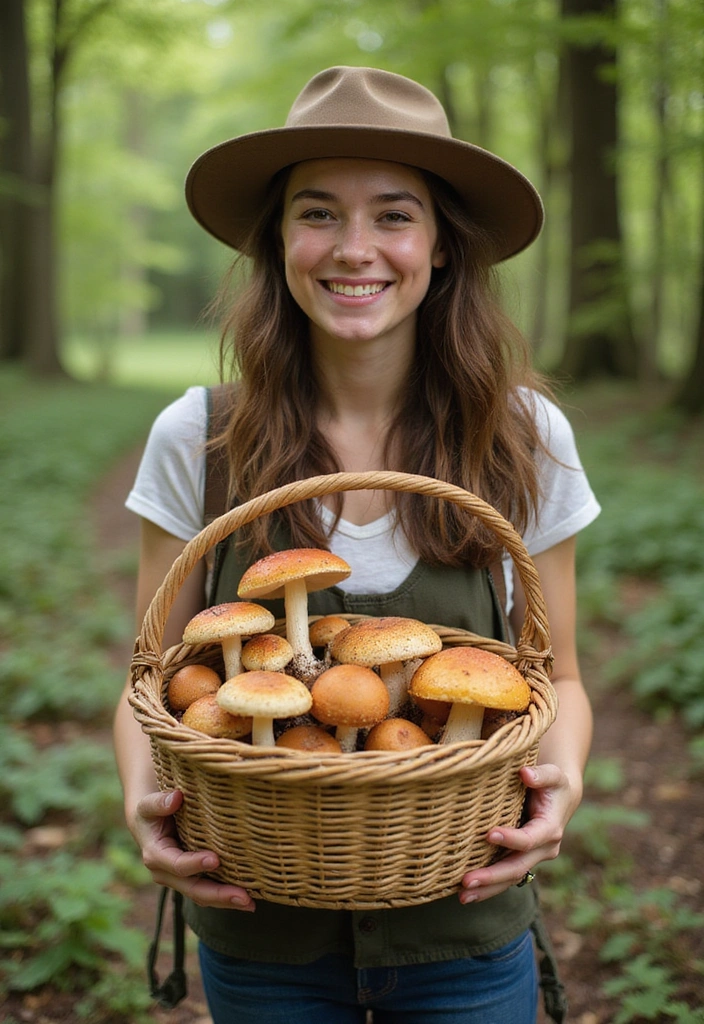
Mushroom foraging is an art that combines adventure, knowledge, and respect for nature.
By embracing these 15 secrets, you empower yourself to forage safely and sustainably, turning your expeditions into joyful and enriching experiences.
So grab your basket, gather your friends, and embark on your foraging journey with caution and excitement!
Note: We aim to provide accurate product links, but some may occasionally expire or become unavailable. If this happens, please search directly on Amazon for the product or a suitable alternative.
This post contains Amazon affiliate links, meaning I may earn a small commission if you purchase through my links, at no extra cost to you.