

Ever found yourself staring at a cupboard full of food, wondering what’s the best way to keep it fresh and organized? You’re not alone! With the rise of home food storage, knowing how to rotate your food stockpile is essential. Proper rotation ensures that your supplies are consumed before they expire, maximizing the lifespan of your inventory and saving you money in the long run.
We’ve gathered ten practical tips that will transform the way you think about food storage. From creating a foolproof system to keeping track of expiration dates, these strategies will help you maintain a well-stocked kitchen without the stress of waste. Dive in and discover the best practices for rotating your food stockpile like a pro!
Contents
- 1. Understand the Importance of FIFO
- 2. Inventory Management is Key
- 3. Use Clear Containers for Easy Access
- 4. Regularly Check Expiration Dates
- 5. Incorporate Meal Planning
- 6. Label Everything (You Won’t Believe the Difference!)
- 7. Rotate Seasonal Foods
- 8. Don’t Forget About the Freezer!
- 9. Be Mindful of Portion Sizes
- 10. Share and Donate Surplus Food
1. Understand the Importance of FIFO
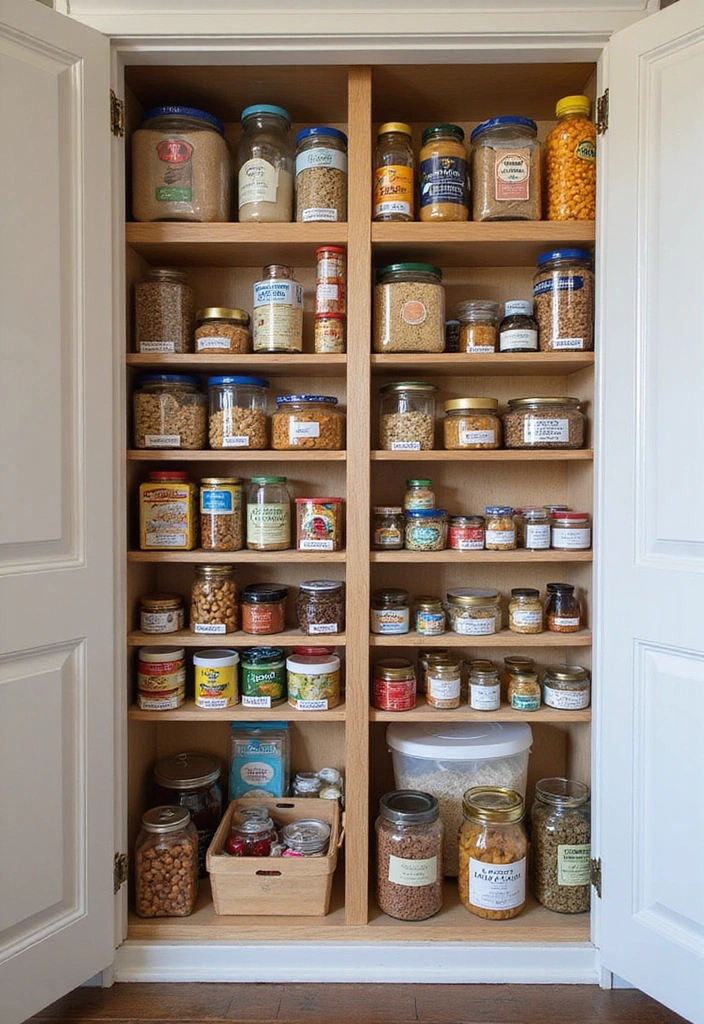
FIFO stands for ‘First In, First Out,’ and it’s the golden rule for managing food stockpiles. This method ensures that the oldest items are used before newer ones, reducing the risk of spoilage. It’s simple: the first items you purchase are also the first ones you use.
Here’s how to implement FIFO:
– Organize your shelves or pantry with older items at the front and new items at the back. Using clear storage bins can help you easily see what needs to be used first while keeping your space tidy.
– Use clear labels to mark expiration dates. A label maker makes it easy to create visual cues, allowing you to grab what you need quickly.
– Regularly check your stock and move items as needed to maintain the FIFO system. Remember, the more effort you put into this system, the more successful you’ll be in avoiding food waste!
For instance, canned goods can be rotated by simply placing the newest cans behind the oldest ones. Consider using a canned food organizer to simplify this process, ensuring easy access and visibility. Transforming your food storage habits can save you cash at the grocery store and keep your meals fresh.
2. Inventory Management is Key
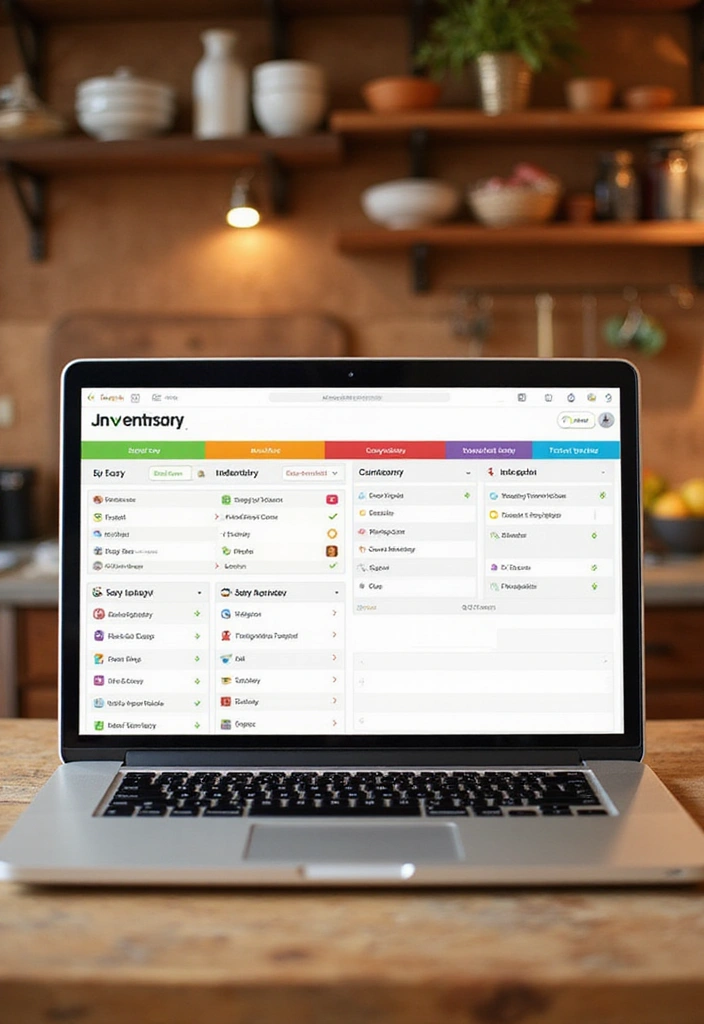
Keeping track of what’s in your food stockpile might seem daunting, but with the right system, it can actually be fun! Start by creating an inventory list to help you remember what you have, when it expires, and how much you’ve got.
A few tips for effective inventory management include:
– Use a simple spreadsheet or an app designed for inventory, like the Food Inventory Management App. This allows you to add items, amounts, and expiration dates, so you can check it on the go!
– Update your inventory regularly—every time you buy something new or consume something. This little habit will save you from surprises when you open your cupboard.
– Color-code your inventory by category (grains, canned goods, etc.) for even greater clarity. The Color-Coded Labeling System can help you accomplish this with ease, providing you with 500 colored labels to organize everything in a visually appealing way.
With a solid inventory, you’ll reduce the chances of overbuying and help avoid wasted food. Plus, it gives you a better idea of what meals you can whip up with what you have! For those who prefer a more structured approach, consider using something like the Spreadsheet Organizer to keep your notes tidy and easily accessible.
By incorporating these tools, inventory management can become a breeze, making your food stockpile truly efficient!
3. Use Clear Containers for Easy Access
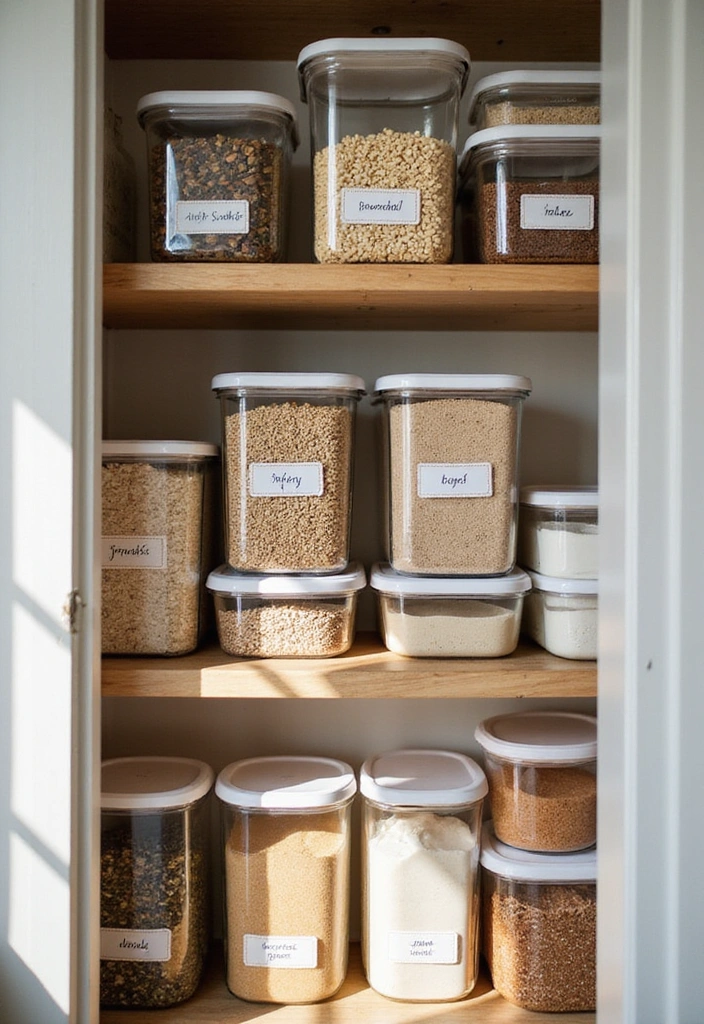
Clear containers are a game-changer when it comes to food storage. They not only look appealing but also allow you to quickly see what you have without having to rummage through everything.
Here’s how to maximize the use of clear containers:
– Sort similar items together, like grains, pasta, and snacks, and store them in their own containers. For this, consider using Airtight Clear Food Storage Containers. This 24-piece set is BPA-free and perfect for keeping your staples fresh.
– Label each container to indicate its contents and expiration dates. A great option for this is the Label Maker for Food Storage. With 96 chalkboard labels and a chalk maker included, it adds a touch of organization, making cooking a breeze.
– Invest in stackable containers to save space—perfect for small kitchens! The Stackable Clear Plastic Bins are ideal for pantry organization, allowing you to utilize vertical space efficiently.
The transparency of these containers helps you keep track of supplies, ensuring you know when it’s time to replenish. Plus, the aesthetic appeal can turn your pantry into a beautiful display!
4. Regularly Check Expiration Dates

Have you ever found a can of soup that expired three years ago? Yeah, we’ve all been there. Keeping track of expiration dates is crucial for maintaining a healthy food stockpile.
To stay on top of expiration dates, consider these tips:
– Conduct a monthly audit of your stock, checking each item’s expiration date. This periodic check can be quite enlightening! You might want to jot down your findings in an inventory management notebook to keep everything organized.
– Create a designated area for items nearing their expiration date, prompting you to use them sooner rather than later. Storing them in airtight food storage containers can help keep the rest of your stockpile fresh while making it clear which items need your attention.
– Use your inventory list as a guide when cooking, prioritizing meals that incorporate those items. A label maker can be a handy tool here, allowing you to create labels for your containers and keep track of what needs to be used up soon.
This habit not only prevents waste but also keeps your meals fresher and your pantry healthier. Remember, expired food isn’t just about taste; it can also impact your health.
5. Incorporate Meal Planning

Meal planning is an essential part of food stockpile management—almost like a fun game! By planning your meals ahead, you can ensure you’re using ingredients in your stockpile before they spoil.
Here are some meal planning tips:
– Choose a day of the week to plan meals, using your inventory as a guide. Think about what ingredients you want to highlight in those meals.
– Create a shopping list based on your planned meals to avoid overbuying and stick to using what you already have. A great tool for this is the Meal Planning Notepad. With its strong magnets and organized layout, you can easily keep everything in sight and on track.
– Don’t forget to include family favorites or seasonal recipes to keep things interesting! If you need some inspiration, the Recipe Book for Meal Planning offers a week of meals with just one grocery list, helping you minimize waste while maximizing deliciousness.
By incorporating meal planning, you’re more aligned with your stockpile, reducing food waste while creating tasty meals the whole family will enjoy. It turns cooking into a delightful challenge rather than a chore!
6. Label Everything (You Won’t Believe the Difference!)
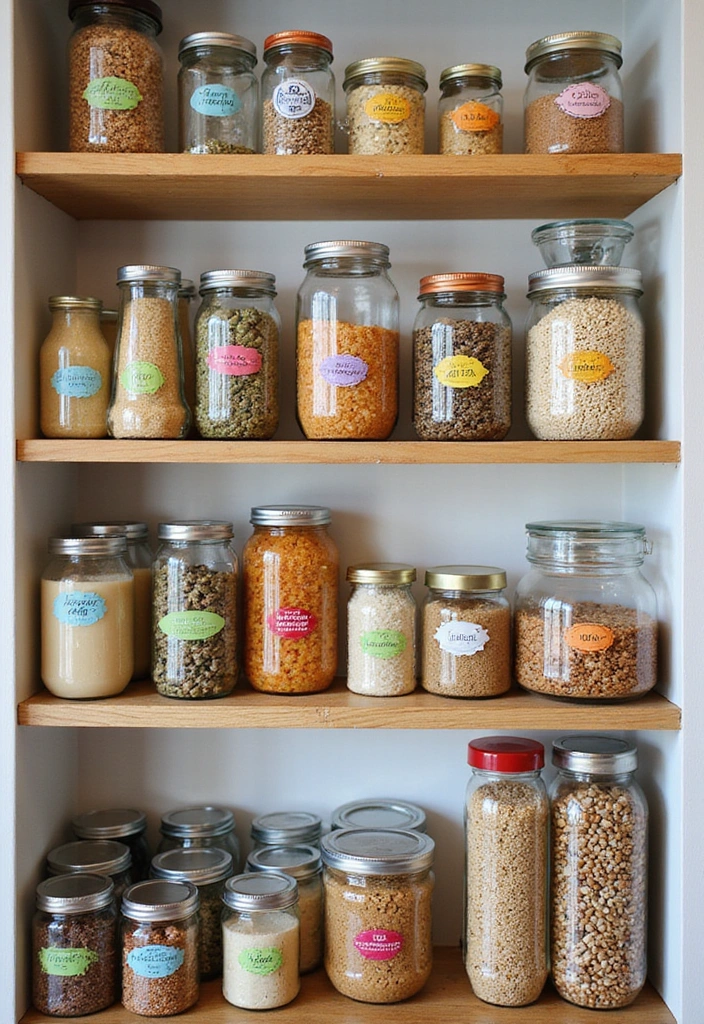
Labeling your food stockpile is one of those simple tips that can make a huge difference. Not only does it foster organization, but it also makes it easier to find and use what you need.
Here’s how to label effectively:
– Use waterproof labels for containers and shelves to ensure they last. Consider investing in a waterproof label maker that offers a versatile app with multiple fonts and icons, making the task enjoyable.
– Clearly write both the name of the item and the expiration date. This helps when you’re in a hurry! You can also use color-coded labeling tape, which is perfect for marking food categories at a glance.
– Get creative with your labeling—use fun fonts or colors to avoid it feeling like a chore.
Effective labeling not only saves you time but also makes your pantry look amazing! You’ll be surprised at how much easier it is to find what you’re looking for and keep your food stockpile in check.
7. Rotate Seasonal Foods
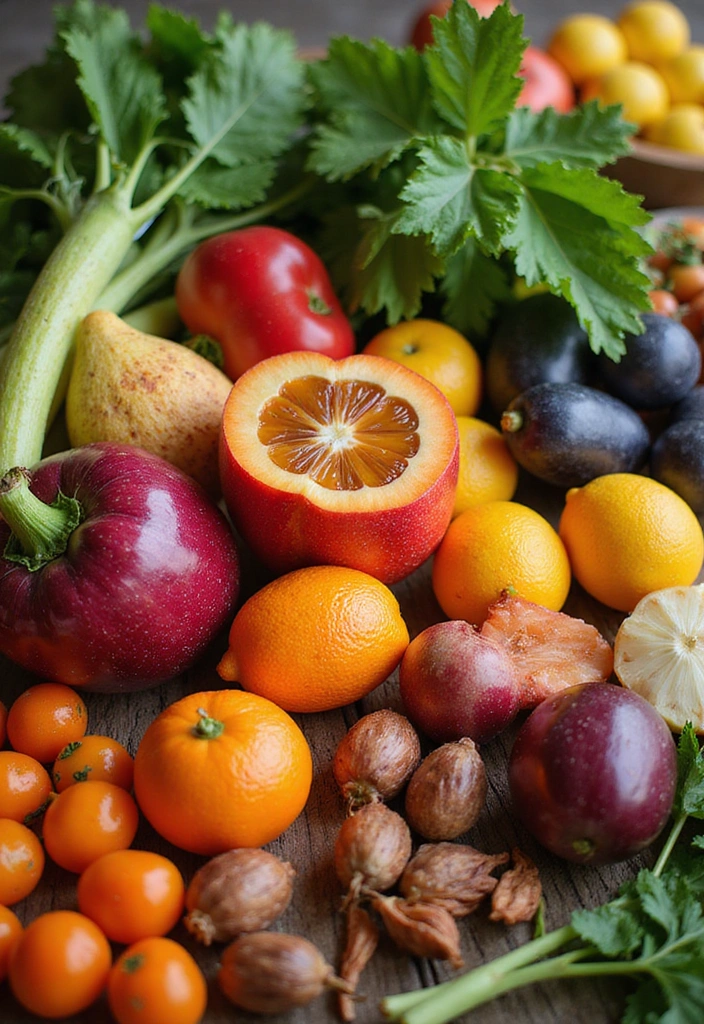
Understanding seasonal foods is pivotal for smart stockpiling. With seasonal foods being fresher and often cheaper, it’s wise to bulk up during harvest times and rotate them out as the seasons change.
To effectively rotate seasonal foods, consider the following strategies:
– Research local harvest times and stock up on fresh produce or canned goods during peak seasons. A handy tool for this is a seasonal produce calendar, which provides an easy reference for when different fruits and vegetables are at their best.
– Use a seasonal calendar to remind yourself when to incorporate these foods into your meal planning. This will ensure you’re making the most of what’s in season, helping you to save money and enjoy a variety of nutritious meals throughout the year.
– Preserve seasonal foods through canning, freezing, or drying to extend their lifespan. For those new to canning, a canning kit can be invaluable. It typically includes everything you need to get started, making it easier to keep your stockpile fresh and diverse.
By making seasonal foods a priority in your stockpile, and utilizing tools like a seasonal produce calendar and a canning kit, you not only save money but also ensure you’re eating nutritious and tasty meals throughout the year. For storing all those bulk items, consider investing in food storage containers. With these airtight containers, you can keep your dry goods organized and fresh, ready to be used in your meal planning.
8. Don’t Forget About the Freezer!
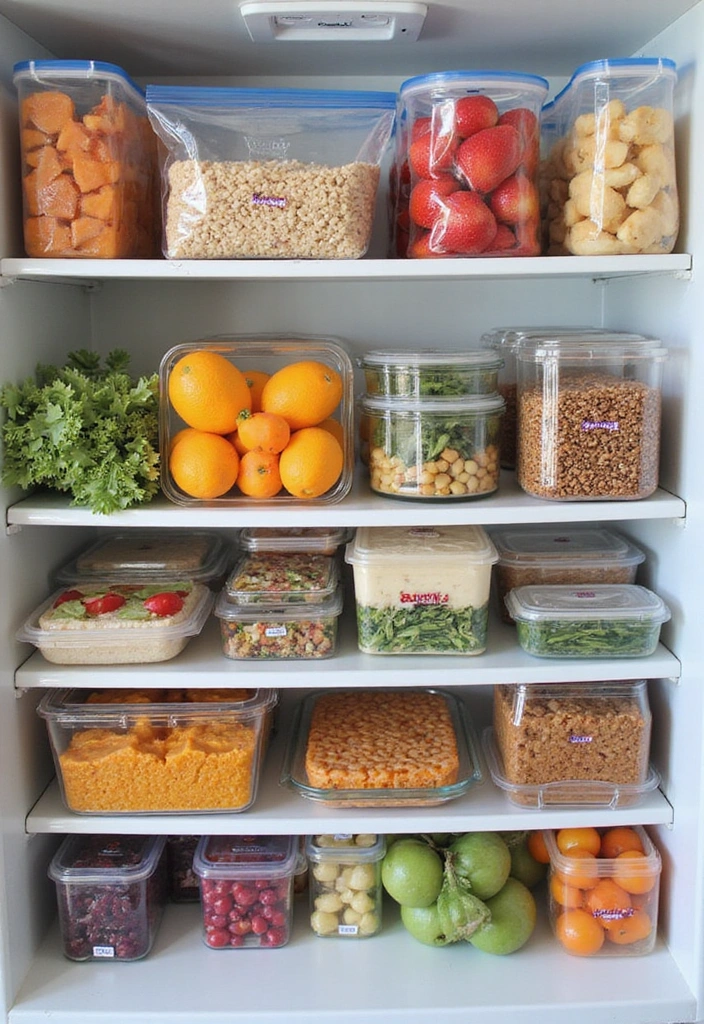
The freezer is your best friend when it comes to food storage! It allows you to keep a wide variety of foods in great condition for months at a time.
Here’s how to make the most out of your freezer:
– Invest in good quality high-quality freezer bags to prevent freezer burn and maintain freshness. These bags are designed to hold up against the cold, ensuring your food stays protected.
– Label everything with the date and contents using a labeling machine or label maker to avoid mystery meals later on. This way, you’ll always know what you have and when it needs to be used.
– Consider freezing leftovers, herbs, or even fruits and veggies that are about to expire. They’ll be perfect for smoothies or soups later! For organized storage, use food storage containers with lids to keep your freezer tidy and maximize space.
Freezing allows you to stretch your food stockpile even further, giving you the flexibility to enjoy meals anytime you want while minimizing waste.
9. Be Mindful of Portion Sizes

When stockpiling food, it’s easy to get carried away with quantities, but being mindful of portion sizes can help prevent waste. It’s important to only buy what you can realistically eat and use.
Here’s how to manage portion sizes effectively:
– Think about your family’s actual consumption habits. Tracking how much of certain items you use weekly or monthly can provide valuable insights. A kitchen scale can help you measure your food accurately, ensuring you’re aware of your portion sizes when cooking and serving meals.
– Buy in bulk only if you know you can finish the items before they spoil. If you’re unsure, opting for smaller packages is wise. To keep your pantry organized and your food fresh, consider using food storage containers. These airtight containers will help preserve the quality of your bulk items longer, preventing waste.
– Meal prepping in appropriate portion sizes can make it easier to use leftovers. To stay organized with your meal prep, using a labeling system for food storage is an excellent idea. These removable labels will help you track what’s in each container and when it needs to be used by, minimizing the chances of finding expired items lurking at the back of your pantry.
Mindful portioning not only saves you money but also ensures that you’re making the most out of your food stockpile.
10. Share and Donate Surplus Food

If you ever find yourself with excess food in your stockpile, think about sharing with friends, family, or local charities. Food sharing is a fantastic way to not only help others but also avoid waste.
Here are some ideas for sharing surplus food:
– Organize a food swap with friends. Everyone brings what they have too much of and exchanges it for something they need! To keep your different food items organized, consider using airtight food storage containers. These containers can help prevent spoilage and make it easier to see what you have to share.
– Reach out to local food banks or shelters that accept donations of non-perishable items. Labeling your donations can help volunteers quickly identify items, so utilizing a label maker is a great idea. It ensures that your donations are organized and clearly marked.
– Even consider sharing food with neighbors or co-workers at the office.
By embracing a share-and-donate mindset, you can contribute positively to your community while keeping your kitchen clutter-free. It’s a win-win situation!
Conclusion

Rotating your food stockpile doesn’t have to be a chore. Adopting these essential tips can lead to a more organized, efficient, and enjoyable kitchen experience. By embracing the best practices in food storage, not only will you save money, but you’ll also create a healthier environment for you and your family. So roll up your sleeves and start implementing these strategies today; your future self will thank you!
Note: We aim to provide accurate product links, but some may occasionally expire or become unavailable. If this happens, please search directly on Amazon for the product or a suitable alternative.
This post contains Amazon affiliate links, meaning I may earn a small commission if you purchase through my links, at no extra cost to you.