
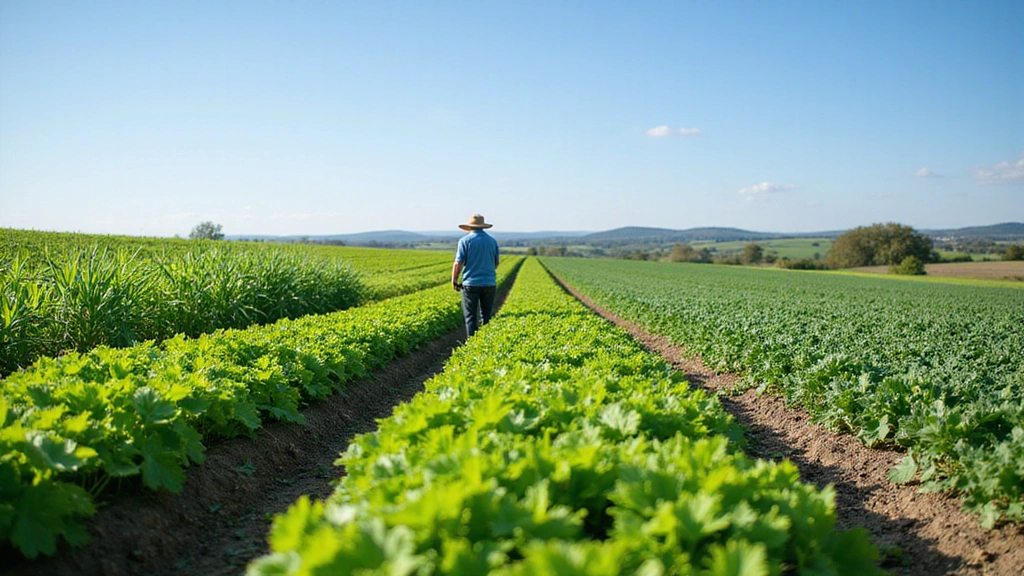
Soil is alive, and it needs our help! Cover crops are kind of like superheroes in the farming world, but they often go unnoticed. These amazing plants not only protect and enrich the soil but also improve its structure and health. They’re like a secret weapon against erosion, nutrient loss, and even pests. If you’re looking to boost your farming methods, using cover crops could be the game-changer you didn’t know you needed.
Join us as we uncover why cover crops deserve more love and learn how to incorporate them into your soil conservation strategies.
Contents
- 1. What Are Cover Crops?
- 2. The Benefits of Soil Health
- 3. How to Choose the Right Cover Crop
- 4. Timing Is Everything
- 5. Managing Cover Crops
- 6. Cost-Effectiveness of Cover Crops
- 7. Overcoming Common Challenges
- 8. Success Stories: Farmers Who Use Cover Crops
- 9. Different Types of Cover Crops and Their Uses
- 10. Resources for Learning More
- 11. The Ecological Impact of Cover Crops
- 12. Cover Crops and Climate Resilience
- 13. Building Community Through Cover Crops
- 14. The Role of Technology in Cover Crop Management
- 15. Taking the First Step with Cover Crops
1. What Are Cover Crops?
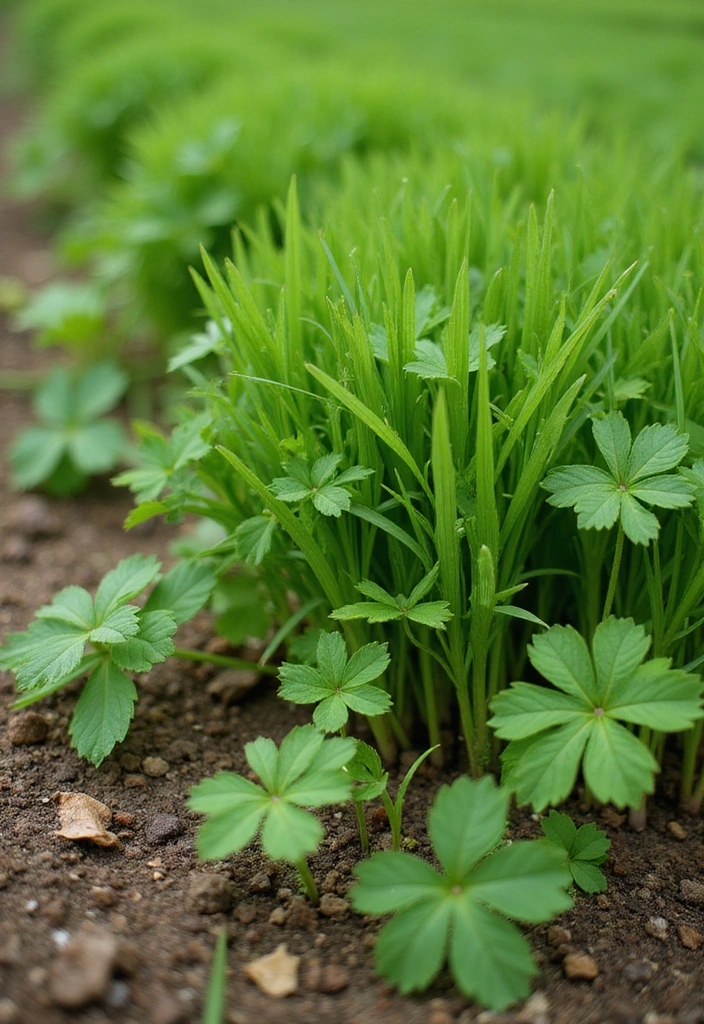
Cover crops are plants grown primarily to benefit the soil rather than for harvest. They may seem unassuming, but their role is crucial in soil conservation. These crops, such as clover, rye, or oats, are planted during the off-season to prevent soil erosion and improve fertility. When they die back, they create organic matter that enhances soil structure and increases its ability to hold moisture.
– **Erosion Prevention**: Cover crops shield the soil from rain and wind erosion.
– **Nutrient Boost**: They add nitrogen and other nutrients back into the soil, reducing the need for chemical fertilizers.
– **Pest Control**: Certain cover crops can deter pests naturally, promoting a healthier ecosystem.
To get started with cover crops, consider a versatile option like the No-Till Garden Farm and Garden Cover Crop Mix Seeds. This blend includes seeds such as hairy vetch and triticale, which can enhance soil health and fertility.
Before choosing your cover crops, it’s also a good idea to understand your soil’s current condition. A Rapitest Soil Test Kit can quickly and accurately measure your soil’s pH and nutrient levels, helping you select the best cover crops for your region. Learning to select the right cover crops based on informed soil testing can set your farm up for long-term success.
2. The Benefits of Soil Health
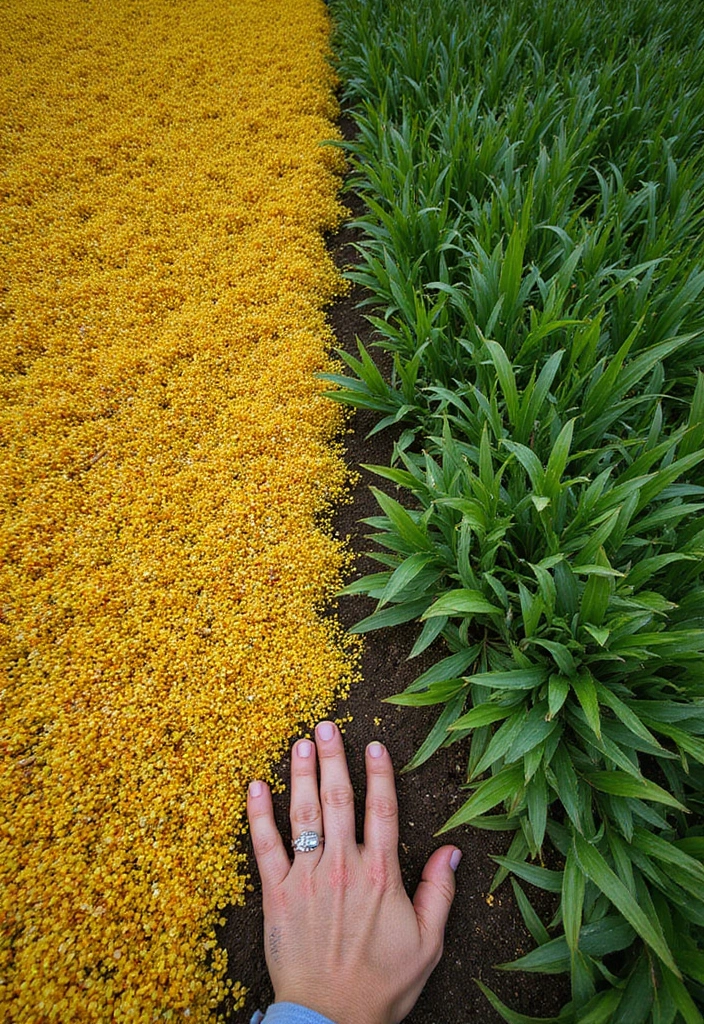
Healthy soil is the backbone of sustainable farming, and cover crops play a pivotal role in maintaining this health. By planting cover crops, farmers can increase soil organic matter, which improves nutrient cycling and water retention. This leads to more resilient soils that can better withstand drought and extreme weather.
– **Better Structure**: Cover crops help break up compacted soil, allowing roots to penetrate deeper and access nutrients. To get started, consider using organic cover crop seeds that include a blend of Hairy Vetch, Daikon Radish, and more. These varieties are specifically chosen to enhance soil structure and health.
– **Water Retention**: Healthier soil holds more water, reducing the need for irrigation during dry spells. Understanding your soil’s current health can help optimize your practices. A soil test kit may be just what you need to measure pH and nutrient levels accurately, allowing you to make informed decisions that support better water retention.
– **Microbial Activity**: More organic matter fosters a rich habitat for beneficial microbes that naturally boost soil fertility. By investing in soil health with cover crops, and utilizing tools like organic cover crop seeds and a soil test kit, you can lead to higher yields and more sustainable farming practices over time.
3. How to Choose the Right Cover Crop

Choosing the right cover crop can feel overwhelming, but it’s all about matching the plants to your specific needs and local conditions. Consider factors like climate, soil type, and the crops you grow. For instance, legumes like vetch or peas are excellent for nitrogen fixation, while grasses like rye are great for erosion control.
– **Climate compatibility**: Some cover crops thrive in cooler conditions while others prefer warmer climates. To determine the best options for your area, consider using a soil test kit like the Rapitest soil test kit, which accurately measures soil pH and nutrient levels. Understanding your soil can guide you in selecting the most suitable cover crops.
– **Soil benefits**: Assess whether you need erosion control, weed suppression, or nutrient boosting. A good choice might be a cover crop seed mix such as the No-Till Cover Crop 13-Seed Mix, which includes a variety of species designed to enhance soil health and structure.
– **Diversity**: Mixing different species can enhance benefits and resilience against pests and diseases. Getting to know the unique characteristics of different cover crops can make a huge difference in your soil conservation efforts.
By considering these factors and using the right tools, you can effectively choose cover crops that align with your soil health goals.
4. Timing Is Everything
Planting cover crops at the right time is crucial for maximizing their benefits. Generally, these crops are sown after the main harvest and before spring planting. This timing allows them to establish roots and grow before winter sets in. While the specifics can vary based on your region and the types of crops you choose, early preparation is key.
– **Post-Harvest**: Immediately sowing cover crops after harvesting primary crops allows them to take advantage of available nutrients. To ensure you’re planting the right mix for your garden, consider the cover crop seed mix, which includes a blend of gardening cover crop seeds like hairy vetch, daikon radish, forage collards, and triticale. This diverse mix helps improve soil health and nutrient availability.
– **Winter Hardiness**: If you’re in a colder area, select varieties that can withstand winter. This ensures that your cover crops survive and continue to enhance soil structure.
– **Early Termination**: It’s important to know when to terminate the cover crop before planting your spring crops to avoid competition for nutrients. You can effectively manage your soil’s condition by utilizing a soil test kit. This tool accurately measures soil pH and nutrient levels, helping you determine the best time for termination and ensuring your soil is ready for the next planting.
Getting the timing right will optimize the soil benefits and make your transition to main crops smoother.
5. Managing Cover Crops
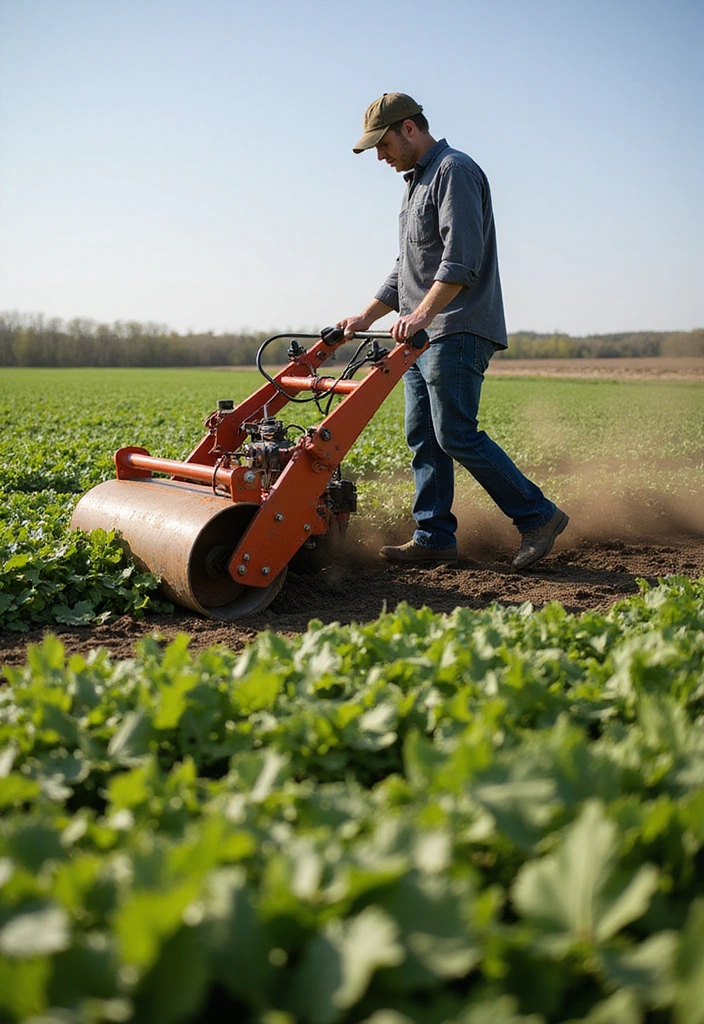
Effective management of cover crops is essential to ensure they contribute positively to your soil. This includes knowing when and how to terminate them, whether you’re using a roller crimper, mowing, or tilling. Proper management practices can help prevent issues such as excessive growth that competes with your main crops.
– **Termination Techniques**: Different methods can be used depending on the crop type. For instance, a reliable tool like the Uchida Corru-Gator Paper Crimper can help effectively terminate cover crops without disturbing the soil too much. Each method has its pros and cons, so consider what best suits your needs.
– **Integration with Main Crops**: Plan your cover crop’s growth so they can be easily integrated with your main crops. Regular mowing can help manage their growth, and a good option is the mower for cover crops, which is designed to make this task easier.
– **Soil Testing**: Regular testing ensures that your soil health improves and that the cover crops are doing their job. The soil test kit provides a quick and accurate way to measure soil pH and nutrients, allowing you to tailor your management practices effectively.
With good management practices and the right tools, cover crops can work hand-in-hand with your main crops to create a thriving ecosystem.
6. Cost-Effectiveness of Cover Crops
While there may be initial costs involved in planting cover crops, the long-term benefits often outweigh these expenses. Cover crops can reduce the need for chemical fertilizers and pesticides, leading to savings over time. Additionally, they can increase your overall crop yields, which translates to better profits.
– **Reduced Inputs**: Improved soil health means you’ll need fewer chemical inputs, saving you money. To better understand your soil’s current state and tailor your cover crop strategy, consider using a Soil Test Kit. This kit quickly and accurately measures soil pH and nutrients, helping you make informed decisions that enhance your soil’s health while reducing unnecessary expenditures.
– **Improved Yields**: Healthier soil leads to healthier crops, enhancing overall productivity. To kickstart your cover cropping journey, you can invest in Organic Cover Crop Seeds. This mix not only includes clover and vetch but also features peas and oats that are beneficial for soil structure and fertility.
– **Market Demand**: Sustainable practices are increasingly desirable to consumers, potentially allowing you to charge a premium for your products. Investing in cover crops is a commitment to both your farm’s future and the environment.
By integrating these products into your approach, you can effectively enhance soil conservation while reaping financial benefits in the long run.
7. Overcoming Common Challenges
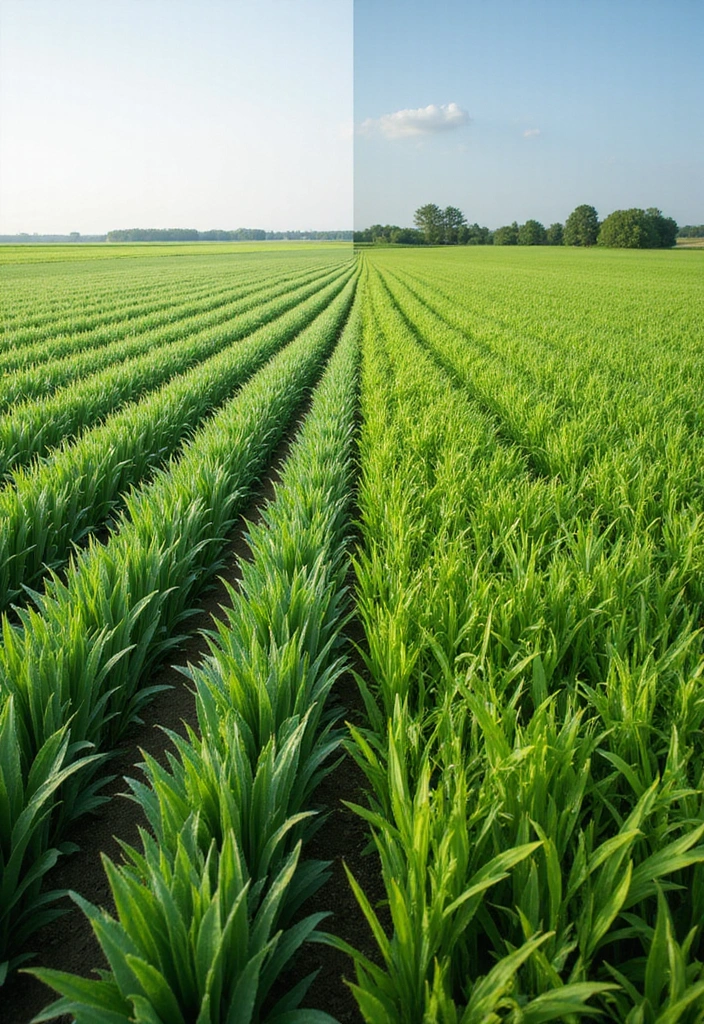
While the benefits of cover crops are substantial, there are challenges to consider. Farmers may worry about loss of income from not planting cash crops during cover crop seasons or issues with weed control. However, with the right strategies and resources, these challenges can be minimized.
– **Loss of Income**: To mitigate the impact of not planting cash crops, it’s essential to plan ahead. Cash flow planning can help manage expenses during cover crop seasons. Additionally, using a cover crop seed mix, which includes a blend of various seeds like hairy vetch and daikon radish, allows you to enhance soil health while preparing for your next cash crop.
– **Weed Management**: Some cover crops can help suppress weeds naturally, but ongoing monitoring is crucial to prevent them from becoming a problem. Employing a weed control fabric can provide an additional layer of protection against weeds, ensuring that your cover crops thrive without competition.
– **Education and Resources**: Seeking out local agricultural extension services or farmer networks for support and advice is always beneficial. For those interested in understanding their soil’s specific needs, a soil test kit can provide valuable insights into soil pH and nutrient levels, allowing for informed decisions on cover crop selection and management.
Facing challenges head-on with the right knowledge and tools can empower you to better utilize cover crops and enhance your farming practice.
8. Success Stories: Farmers Who Use Cover Crops

Real-life examples can inspire and motivate others to adopt cover crops. Farmers across the country have reported significant improvements in their soil health and crop yields after integrating cover crops into their practices. They share stories of increased resilience against pests and diseases, alongside better environmental stewardship.
– Case Studies: Farmers using multi-species cover crop mixes, such as those found in the cover crop seed mix, report healthier soils and improved yields. These blends often include beneficial plants like hairy vetch, daikon radish, and triticale, which can enhance soil structure and fertility.
– Community Impact: Some have turned their farms into community learning hubs, sharing experiences and methods with others. By engaging with the community, they promote understanding of sustainable practices and encourage more farmers to explore cover crops.
– Sustainable Future: These stories highlight how cover crops contribute to sustainable agriculture for the future. To ensure that the soil is in optimal condition for these crops, using a soil test kit can be invaluable. This kit allows farmers to quickly and accurately analyze soil pH and nutrient levels, helping them make informed decisions about which cover crops to plant.
Learning from those who have successfully adopted cover crops can help you navigate your own journey. By taking advantage of products like a cover crop seed mix and a soil test kit, you can enhance your soil health and foster a thriving agricultural ecosystem.
9. Different Types of Cover Crops and Their Uses
Cover crops come in a variety of types, each with unique benefits and applications. From legumes to grasses, each serves a specific purpose in soil conservation. Understanding which cover crop to use can tailor your soil management strategy effectively.
– **Legumes**: Like clover and peas, legumes are great for fixing nitrogen in the soil, enhancing its fertility. To get the most out of your cover cropping, consider using a blend such as the No-Till Garden Farm and Garden Cover Crop Mix Seeds, which includes various legumes and other beneficial plants to improve soil health.
– **Grasses**: Such as rye and barley, are excellent for improving soil structure and controlling erosion. These grasses not only protect the soil but also promote better water retention.
– **Brassicas**: Like radishes, brassicas help with soil compaction and nutrient cycling, making them valuable for maintaining healthy soil.
To ensure you select the right cover crops tailored for your soil, it’s essential to understand its current condition. A Rapitest Soil Test Kit can provide you with the necessary insights, allowing you to analyze soil pH and nutrient levels accurately. This information is crucial for making informed decisions about which cover crops will best serve your soil management goals.
Incorporating diverse cover crops can enhance the ecological balance of your farm, leading to improved soil health and agricultural sustainability.
10. Resources for Learning More

If you’re interested in diving deeper into the world of cover crops, there are plenty of resources available to you. From online courses to local extension programs, a wealth of information is at your fingertips. Engaging with educational materials is a great way to improve your soil conservation knowledge.
– Books and Guides: One excellent resource is Cover Crops for Clean Water: a Guide for Farmers. This comprehensive guide is tailored to help you understand the benefits of cover crops in enhancing soil health and water conservation in your area.
– Workshops and Webinars: Many agricultural organizations offer free or low-cost workshops. These sessions can provide practical insights and firsthand knowledge from experts in the field.
– Online Communities: Joining forums or social media groups where farmers share experiences and advice can also be invaluable. Engaging with others facing similar challenges can greatly enhance your understanding and management of cover crops.
Additionally, consider exploring Soil Health: a Guide for Farmers. This resource is offered for free and serves as an excellent tool for expanding your knowledge on soil health practices, including the use of cover crops.
Utilizing these resources can empower you to confidently manage cover crops on your farm.
11. The Ecological Impact of Cover Crops

Integrating cover crops into farming practices doesn’t just benefit the soil; it also enhances the overall ecosystem. By using cover crops, you can improve biodiversity, support beneficial insects, and contribute to healthier watersheds. This ecological perspective is just as important as the economic benefits.
For those looking to diversify their cover crop options, consider the cover crop seed mix, which includes a variety of species such as clovers, vetch, and buckwheat. These plants not only enrich the soil but also attract bees and other beneficial insects, providing essential pollinator support.
Additionally, incorporating cover crops can significantly improve water quality by filtering pollutants and reducing runoff. To ensure you’re selecting the best crops for your soil needs, using a soil test kit can help you quickly and accurately measure soil pH and nutrient levels. This information is vital for making informed decisions that enhance the health of local waterways and support diverse ecosystems.
The ecological impact of cover crops reinforces the idea that every farming decision contributes to a bigger picture. By taking these steps, you’re not only improving your agricultural practices but also fostering a more resilient environment.
12. Cover Crops and Climate Resilience
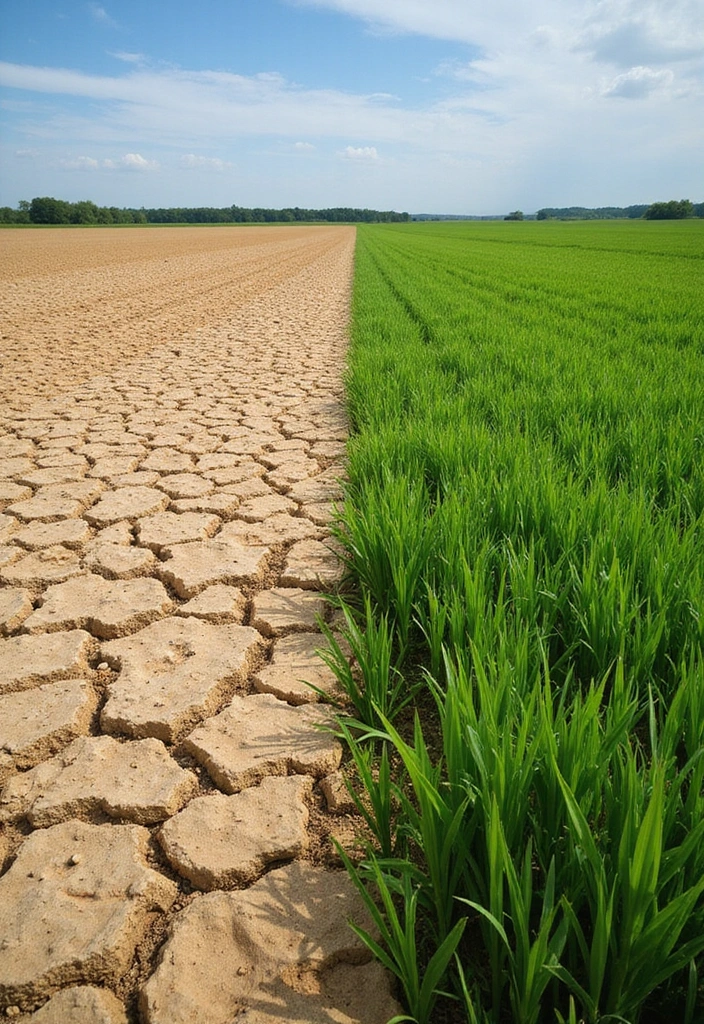
As climate change becomes a pressing issue, sustainable farming practices like cover crops are more important than ever. These crops not only help build resilience against erratic weather patterns, droughts, and floods, but they also enhance soil health significantly.
– **Drought Resistance**: Healthier soils retain moisture, which is crucial during dry spells. To monitor your soil’s moisture levels effectively, consider using a soil moisture meter. This handy tool allows you to check the moisture content of your soil, ensuring you provide the right amount of irrigation when needed.
– **Flood Mitigation**: Cover crops can absorb excess rainfall, significantly reducing soil erosion and runoff. By planting cover crops such as those found in the organic cover crop seeds mix, which includes Hairy Vetch, Daikon Radish, and more, you can improve your soil’s ability to handle heavy rainfall.
– **Carbon Sequestration**: These cover crops capture carbon from the atmosphere, contributing to climate change mitigation and promoting a healthier environment overall.
Farming methods that prioritize soil conservation can play a vital role in our planet’s future, and embracing products that help monitor and enhance soil health will only strengthen your efforts.
13. Building Community Through Cover Crops
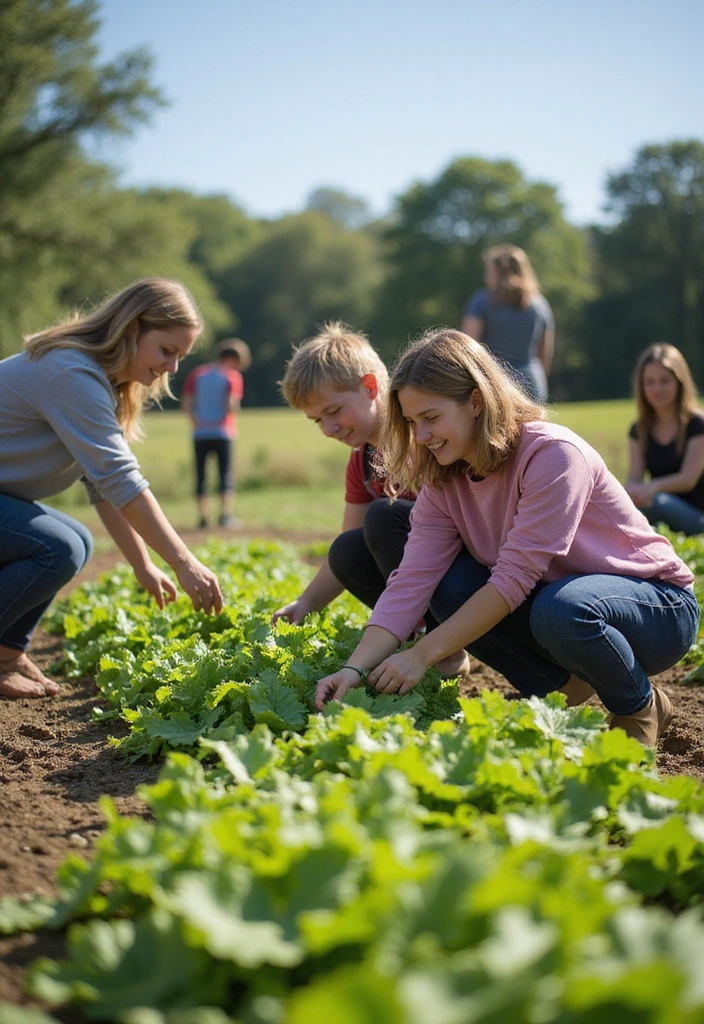
Communities can come together to promote the use of cover crops, sharing knowledge, resources, and experiences. Initiatives such as community gardens, local farmer co-ops, and workshops can foster collaboration and learning, making the journey towards sustainable agriculture a shared one.
To kickstart this effort, consider organizing collaborative workshops with local agricultural experts to teach about the benefits of cover crops. Participants can also benefit from using a soil test kit that accurately measures soil pH and nutrients, helping everyone understand their soil better and choose the right cover crops.
Another great way to build community is through resource sharing. Setting up community seed banks for cover crop seeds not only promotes accessibility but also encourages local gardeners to experiment together. A diverse mix, like the cover crop seed mix, can be a fantastic resource for everyone involved.
Lastly, showcasing local success stories of farmers who have thrived with cover crops can inspire others to join the movement. Consider using a set of reliable gardening tools, such as a gardening tools set, to help ease the process for newcomers in their gardening journey.
Building community through cover crops strengthens the farming network and leads to more sustainable practices.
14. The Role of Technology in Cover Crop Management

Technology has revolutionized how we approach farming, including cover crop management. Various tools and resources are available to help farmers monitor their crops and soil health. From drones to soil sensors, technology can provide critical data to optimize your cover crop strategy.
One such tool is the Agricultural Drone, which can be used for aerial imagery to assess cover crop growth and health. With its capability to cover large areas quickly, it helps you visualize crop conditions from above, identifying areas that may need attention.
Additionally, soil health is crucial for effective cover crop management, and tools like the Soil Moisture Sensor can provide real-time data on moisture levels and nutrient composition. This information is invaluable for making informed decisions about irrigation and fertilization, ensuring your cover crops thrive.
Mobile apps also play a significant role, offering resources and tips for cover crop management, making it easier to stay informed. Embracing technology, including these innovative products, can enhance your understanding and management of cover crops, leading to better soil conservation and healthier farming practices.
15. Taking the First Step with Cover Crops
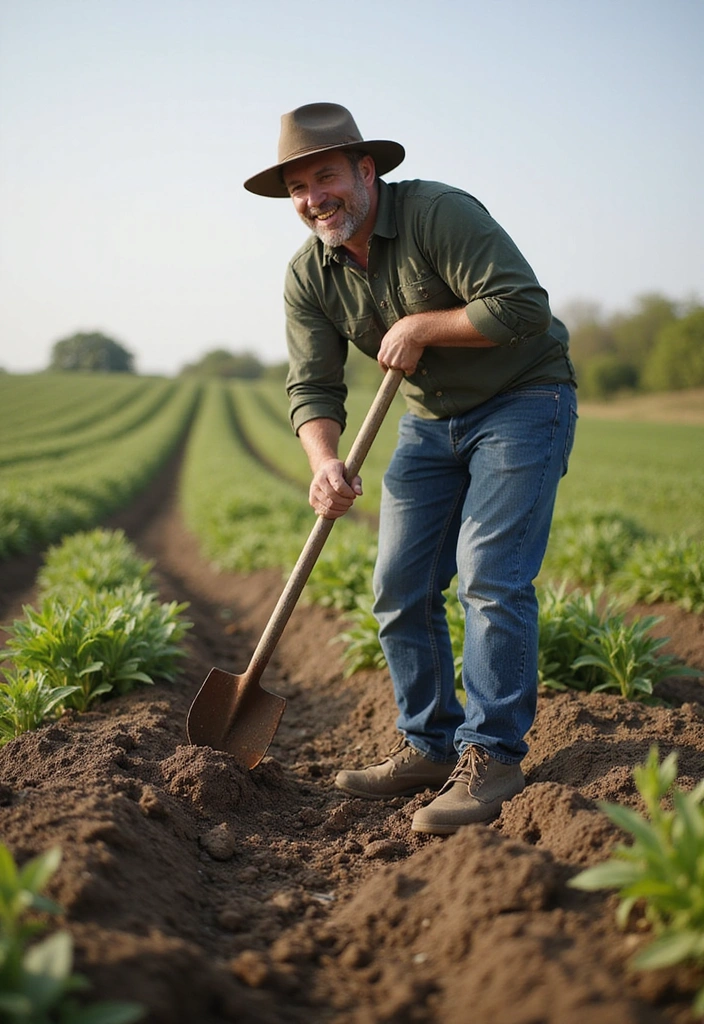
Ready to get started with cover crops? Begin by assessing your current farming practices and identifying areas where cover crops could add value. Starting small is key—consider experimenting with one or two fields. A great first step is to use a cover crop seed mix that includes a diverse selection of plants like clovers, vetch, and buckwheat. This variety can enhance soil health and improve nutrient retention.
As you plant, monitor your results closely. Keeping track of soil health, crop yields, and any changes in pest populations will help you understand the impact of your cover crops. To properly evaluate your soil conditions before planting, consider using a soil test kit. This kit will quickly and accurately measure soil pH and nutrient levels, providing essential information for making informed decisions.
Based on your success, you can then adapt and expand your strategies by gradually incorporating more cover crops into your farming methods. Taking these initial steps can lead to a sustainable path for your soil and farm, and remember, every little bit counts towards soil conservation!
Conclusion

Cover crops truly are the unsung heroes of soil conservation, offering a wealth of benefits that can transform your farming practices. By improving soil health, enhancing ecosystem resilience, and fostering community, they are essential for sustainable agriculture.
Embrace these methods and watch your soil—and farm—thrive in harmony with nature.
Note: We aim to provide accurate product links, but some may occasionally expire or become unavailable. If this happens, please search directly on Amazon for the product or a suitable alternative.
This post contains Amazon affiliate links, meaning I may earn a small commission if you purchase through my links, at no extra cost to you.