
Water is one of the essentials of life, and ensuring its purity is crucial for our health. In this epic showdown, we’re diving deep into two popular water purification methods: boiling and chemical treatments. These methods can be lifesavers when it comes to water safety, but which one truly reigns supreme?
Join us as we explore the pros and cons of each method, discuss when to use them, and highlight the best practices to keep your water clean and safe. Whether you’re camping in the woods or just concerned about your tap water, knowing the best purification method can make all the difference.
Contents
- 1. The Power of Boiling: How It Works
- 2. The Effectiveness of Chemical Treatments
- 3. Boiling vs. Chemicals: Safety First
- 4. Cost Comparison: Boiling vs. Chemicals
- 5. Environmental Impact: Which Is Greener?
- 6. Flavor Profile: Taste Test
- 7. Convenience: Easy Access to Purified Water
- 8. Practical Applications: When to Choose Which Method?
- 9. Taste and Aesthetics: Making Water Enjoyable
- 10. Future Trends in Water Purification
1. The Power of Boiling: How It Works
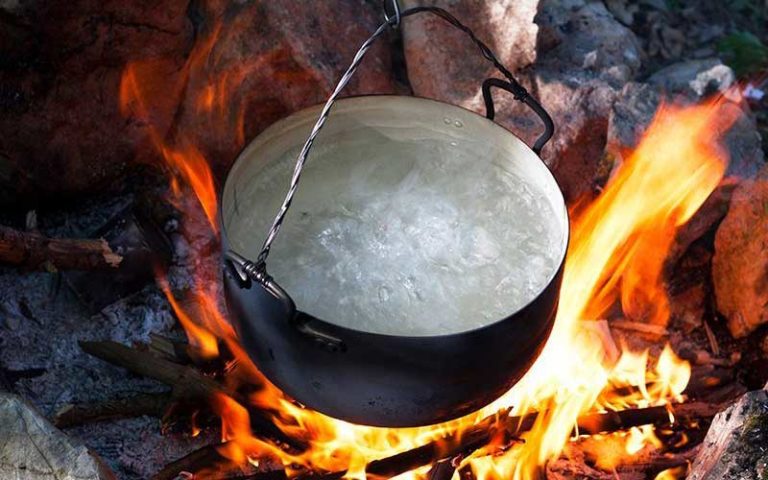
Boiling water is one of the most ancient and trusted methods of purification. By heating water to its boiling point (100°C or 212°F), you can effectively kill off many harmful pathogens, including bacteria, viruses, and parasites. This method is not only simple but also requires minimal resources.
Here’s how it works: the heat destroys microorganisms, making the water safe to drink. Think of boiling as the natural way to cleanse!
Key Insights:
– Boiling is effective against the majority of germs.
– Always boil for at least 1 minute (3 minutes at higher altitudes).
– It’s energy-efficient if done in large batches.
– Use a lid to keep the heat in and save energy, like the lid for cooking pot which fits various pot sizes and helps retain heat while you boil your water.
This method is especially useful when you’re unsure of your water source, like during camping trips or natural disasters. Just bring your water to a rolling boil using a reliable heat source such as the portable camping stove, featuring adjustable burners and wind guards for optimal performance outdoors. With these tools, you’re set to ensure safe drinking water wherever you go!
2. The Effectiveness of Chemical Treatments
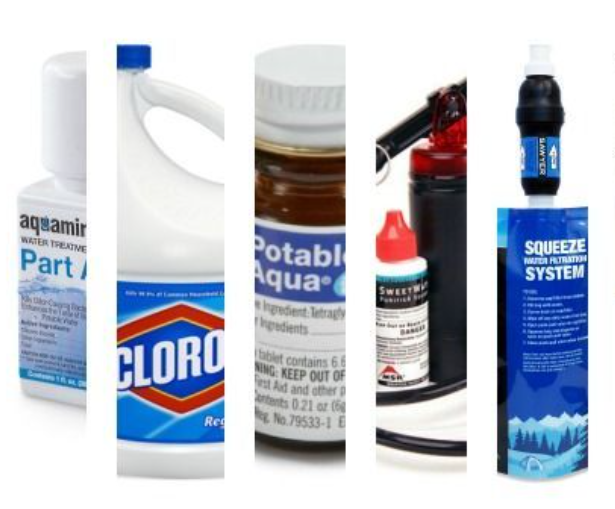
Chemical water purification methods often involve using tablets or drops that contain substances like chlorine or iodine. These chemicals work by attacking the cellular structure of pathogens, rendering them harmless. For those who need a quick and lightweight solution for purifying water, products like Aquatabs 49mg Water Purification Tablets can be a great choice, making them a favorite among hikers and travelers.
These treatments are particularly convenient for on-the-go purification and are ideal for treating clear, sediment-free water. Keep in mind that cloudy water may require pre-filtering. The wait time for chemical treatments varies; for instance, some options take just 30 minutes, while others may need up to 4 hours. If you are looking for a more extensive purification solution, consider 55 Gallon Water Preserver Concentrate, a reliable water treatment for emergency storage that can last up to 5 years.
One more option is the Sawyer Products Mini Water Filtration System, which provides an additional layer of filtration, ensuring that your water is safe to drink while you’re out in nature.
Insider Tip: If you’re using iodine, avoid prolonged use for pregnant women and those with thyroid issues. Chemical treatments can be a lifesaver when boiling isn’t an option, but it’s crucial to follow instructions carefully for maximum effectiveness.
3. Boiling vs. Chemicals: Safety First
When it comes to safety, both boiling and chemical treatments have their strengths and weaknesses. Boiling water eliminates bacteria and viruses effectively, ensuring safety from most pathogens. To simplify the boiling process, a great option is the Stainless Steel Water Boiling Pot, which features fast boiling capabilities and safety features like auto shut-off and boil-dry protection. This ensures that your water is properly boiled without the hassle of monitoring it closely.
However, boiling does not remove chemical contaminants or heavy metals. On the other hand, chemical treatments can kill pathogens quickly, but they may leave behind chemical residues. To address this concern, water purification tablets are a convenient option for ensuring your water is thoroughly disinfected. These tablets are easy to use and ideal for various situations, whether you’re hiking, camping, or preparing for an emergency.
If you’re unsure of your water source, it’s best to boil first using the Stainless Steel Water Boiling Pot and then follow up with the water purification tablets for thorough cleansing, especially if you suspect chemical contamination.
In essence, combining methods may offer the ultimate safeguard against all types of contaminants, ensuring your water is both safe and clean. Additionally, for those who prefer filtration methods, the Portable Water Filter is a reliable choice, providing an effective way to remove impurities while on the go.
4. Cost Comparison: Boiling vs. Chemicals
Cost Breakdown:
– Boiling: Almost free aside from fuel (gas, wood, propane).
– Chemical Treatments: Initial purchase of tablets or drops, which can range from $10 to $30 for a pack that purifies many liters. The Water Purification Tablets are an excellent option, as they’re convenient for short trips or emergency kits and are easy to use.
While chemical treatments might seem more expensive upfront, they offer convenience and portability. However, in the long run, boiling can save you more money, especially if you frequently purify large amounts of water.
5. Environmental Impact: Which Is Greener?
On the flip side, chemical treatments can lead to plastic waste from packaging and disposal of unused elements. To help reduce your footprint while carrying water, consider a durable solution like the Hydro Flask Stainless Steel Standard Mouth Water Bottle. This stainless steel water bottle is designed to keep your drinks cold or hot for extended periods, which means you can enjoy fresh, clean water without the need for single-use plastic bottles.
Eco-Friendly Tips:
– Choose bulk packaging for chemical treatments to reduce waste.
– Boil water using renewable resources whenever possible.
Ultimately, if sustainability is your priority, boiling is the greener choice, nurturing both your health and the planet.
6. Flavor Profile: Taste Test
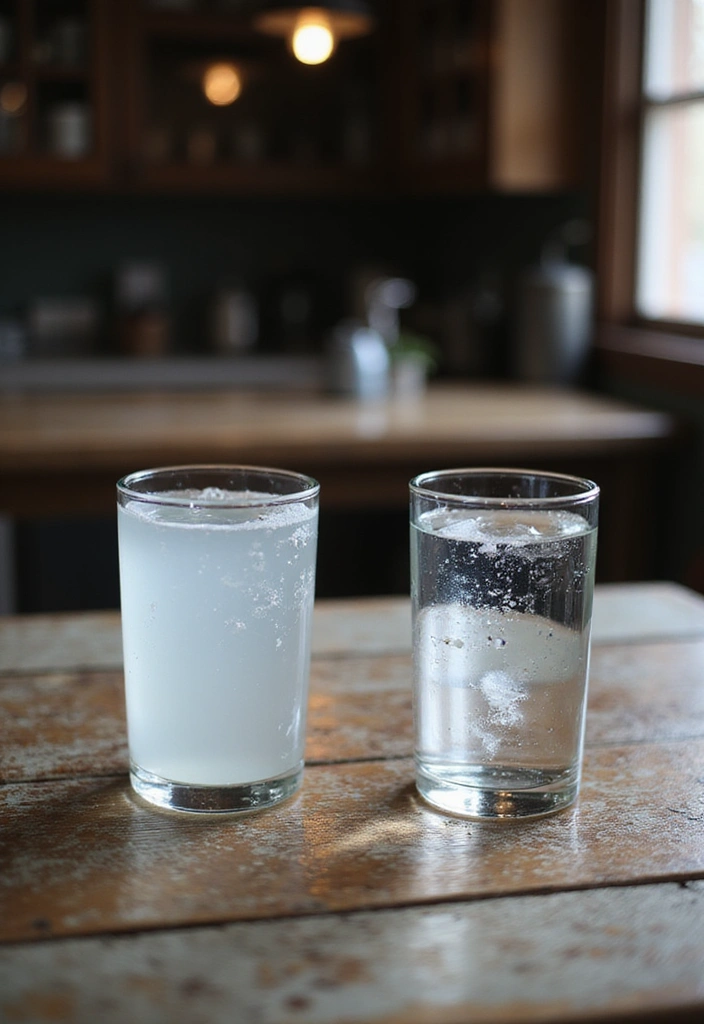
Taste matters! Boiling water typically results in a clean taste, as it does not add any chemicals. It can, however, potentially concentrate certain minerals depending on your water source. Those who boil frequently often prefer this method for its neutrality. To make boiling even more effortless, consider using a Portable Water Boiling Kettle. This electric kettle heats water quickly and has a stainless steel inner lid, ensuring that your water remains pure without any plastic taste.
On the other hand, chemical treatments can sometimes leave a faint chemical flavor. Some users report that chlorine-based treatments can give water a taste, which isn’t always appealing. If you do opt for chemical purification, adding a slice of lemon can enhance the flavor.
For those who prefer filtered water without the fuss of boiling, a Water Filter Pitcher can be an excellent alternative. This pitcher filters tap water, providing a fresh taste while eliminating impurities.
In the end, for purists, boiling is the way to go, ensuring a fresh and clean drinking experience. Whichever method you choose, these products can help enhance your water’s flavor profile.
7. Convenience: Easy Access to Purified Water
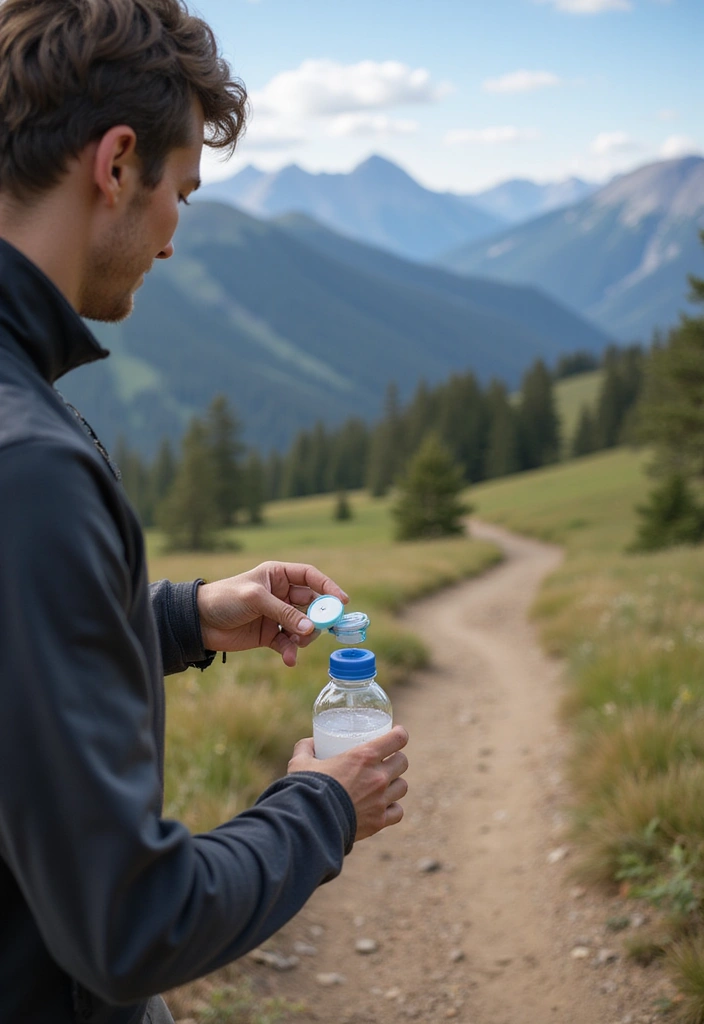
Convenience is key when it comes to choosing a purification method. Boiling requires finding a heat source and waiting for the water to reach a boil, which can be time-consuming, especially with larger quantities. On the other hand, chemical treatments are incredibly easy to use. For instance, you can simply pop a tablet into a water bottle, like the Aquatabs 49mg water purification tablets (50 pack), and go about your activities while you wait for it to be ready.
Convenience Factors:
– Boiling: Great in fixed locations, less portable.
– Chemical treatments: Perfect for on-the-go, especially for travelers.
If you’re looking for a more portable solution, consider the Brita hard-sided plastic premium filtering water bottle. This reusable bottle features a filter that lasts for up to 40 gallons, making it an excellent choice for daily hydration without the hassle of carrying extra purification supplies.
If speed and convenience are your priority, chemical treatments take the lead for quick solutions.
8. Practical Applications: When to Choose Which Method?
Knowing when to use boiling or chemical treatments can greatly affect your water safety. If you’re in a controlled environment, such as at home or a campsite, boiling can be the best choice. For this, a reliable heat source is essential, and the Coleman Triton 2-burner propane stove is an excellent option. With two adjustable burners and wind guards, it provides a consistent means to boil water effectively.
However, if you’re hiking or traveling, chemical treatments offer quick relief without the need for extensive equipment. In these scenarios, water purification tablets like the Aquatabs 49mg Water Purification Tablets can be a lifesaver. They are compact and easy to use, making them perfect for backpacking or keeping in emergency kits.
Understanding the context of your situation can help you make the right choice, ensuring you always have access to safe drinking water. If you still wish for a more long-term solution, consider the Sawyer Products Mini Water Filtration System, which is portable and effective for various outdoor activities.
9. Taste and Aesthetics: Making Water Enjoyable

Let’s face it, pure water should be enjoyable! For boiling, adding a fresh slice of lemon or a sprig of mint can enhance both flavor and visual appeal. Consider using the Zulay Fruit Infuser Water Bottle, which features a full-length infusion rod, making it easy to add your favorite fruits and herbs. With this bottle, your purified water can be not just safe, but truly delightful!
For chemical treatments, while the taste might be slightly altered, you can always jazz it up. The FlavorFuze Pod is a great option for infusing flavors into your water; it fits many popular bottle brands, allowing you to enhance your drink experience with fruits or vegetables like carrot sticks or cucumber slices.
By making your water aesthetic and tasty, you’re more likely to stay hydrated and enjoy the process. If you’re looking for added variety, try the Twinings Herbal Variety Gift Box. With 40 caffeine-free options, it’s perfect for adding a gourmet touch to your hydration routine.
Embrace these tips and tools to make your water not just a necessity, but a pleasure!
10. Future Trends in Water Purification

Looking ahead, innovations in water purification are on the rise! From solar-powered boiling systems to advanced organic chemical alternatives, the goal is to enhance efficiency without compromising health or the environment. Emerging technologies also focus on portable filters that can purify water instantly.
For those seeking a convenient and effective solution, the solar water purifier is an ideal choice. This 3-in-1 system not only filters water but also includes a hand pump and emergency light, making it perfect for camping and outdoor adventures.
Additionally, keep an eye out for the biodegradable water purification tablets. These tablets minimize plastic waste while ensuring safe drinking water, perfect for emergencies or recreational activities.
For an effective portable filtration option, consider the portable water filter system. Its hand pump design allows for quick and easy purification, making it an excellent choice for hikes and trips where access to clean water is uncertain.
Keeping an eye on these advancements can help you choose the best methods as they evolve, ensuring you have access to clean and safe water for years to come.
Conclusion: Choose Your Champion

In the battle of boiling versus chemical water purification, both methods have their strengths. Your choice ultimately depends on your circumstances, preferences, and environmental considerations. By understanding the pros and cons, you can ensure your water is safe and enjoyable, wherever you are!
Whether you find comfort in the traditional method of boiling or the convenience of chemicals, knowing how to purify your water is essential for your well-being.
Note: We aim to provide accurate product links, but some may occasionally expire or become unavailable. If this happens, please search directly on Amazon for the product or a suitable alternative.
This post contains Amazon affiliate links, meaning I may earn a small commission if you purchase through my links, at no extra cost to you.