
For homesteaders, preppers and the well prepared, building a long-term food pantry is a cornerstone of self-reliance. But without the right containers, even the best staples like rice, beans, and flour can spoil, wasting your investment. At Practical Self Reliance, we’ve learned that choosing the right containers—like Mylar bags, #10 cans, glass jars, and 5-gallon buckets with gamma lids—ensures your food stays fresh for decades. Here’s a deep dive into these options, their pros and cons, and how to use oxygen absorbers and airtight seals to create a pest-resistant, shelf-stable pantry.
Why Container Choice Matters
Long-term food storage containers must protect against the five enemies of food: oxygen, light, moisture, heat, and pests. Improper storage can lead to rancidity, mold, or insect infestations, rendering your stockpile useless. Practical Self Reliance emphasizes repackaging dry goods, like powdered milk, into airtight containers with oxygen absorbers to achieve 20–30 years of shelf life. Let’s explore the best options to keep your pantry secure.
Mylar Bags: Lightweight and Impervious
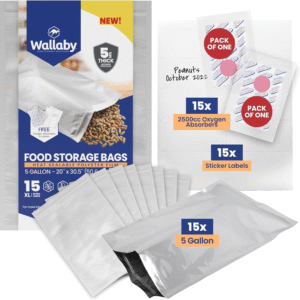
Mylar bags are a top choice for long-term storage due to their ability to block light, moisture, and oxygen when sealed properly. These metallic-looking bags, often 5–7 mils thick, create an oxygen-free environment when paired with oxygen absorbers, ideal for grains, beans, and dry milk. Practical Self Reliance recommends Mylar for its affordability and flexibility. However, their seals can break if handled roughly, and rodents can chew through them, so store them inside buckets for added protection.
Product Recommendation: Wallaby 5-Gallon Mylar Bags with Oxygen Absorbers – Durable 7-mil bags with 2000cc oxygen absorbers, perfect for bulk storage.
Pros: Lightweight, gas-impervious, affordable.
Cons: Not rodent-proof, seals can break.
#10 Cans: Durable and Professional
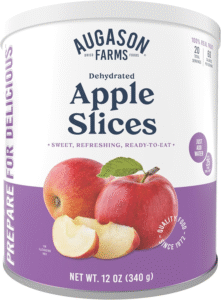
#10 cans, the large metal cans used by commercial food storage companies, are excellent for storing beans, rice, or wheat for up to 20 years. Their seamed lids provide a robust oxygen barrier when used with oxygen absorbers, and they’re pest-proof. Practical Self Reliance notes their convenience for bulk storage, but they require a can seamer, which can be costly for home use. Recycling used cans from freeze-dried foods can save money.
Product Recommendation: Augason Farms #10 Can Emergency Food Storage – Pre-packaged cans for inspiration, though you can buy empty cans for DIY.
Pros: Pest-proof, long shelf life, stackable.
Cons: Expensive equipment.
Glass Jars: Reusable and Transparent
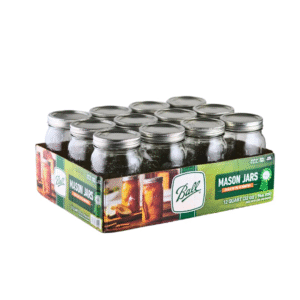
Glass canning jars, a favorite at Practical Self Reliance for storing dry milk, are reusable, airtight, and rodent-proof. They’re perfect for smaller quantities of spices, grains, or dehydrated foods. Adding an oxygen absorber or vacuum-sealing with a FoodSaver extends shelf life. However, glass doesn’t block light, so store jars in a dark pantry, and they’re breakable in earthquake-prone areas.
Product Recommendation: Ball Mason Jars, Quart Size, 12-Pack – Ideal for vacuum-sealing dry goods with a tight-fitting lid.
Pros: Reusable, transparent, pest-proof.
Cons: Breakable, light-permeable.
5-Gallon Buckets with Gamma Lids: Bulk Storage Heroes
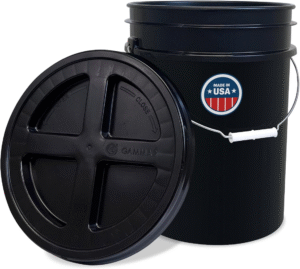
For bulk storage, 5-gallon food-grade buckets with gamma lids are a homesteader’s workhorse. Practical Self Reliance uses them to store large quantities of flour and sugar, protected by Mylar liners and oxygen absorbers. Gamma lids provide a screw-on, airtight seal for easy access, but buckets alone aren’t fully airtight, as HDPE plastic allows slow oxygen seepage. Always line with Mylar for long-term storage.
Product Recommendation: ePackageSupply 5-Gallon Bucket with Gamma Seal Lid – BPA-free, durable, and ideal for bulk grains.
Pros: High capacity, stackable, durable.
Cons: Heavy when full, not fully airtight without Mylar.
Oxygen Absorbers: The Secret to Longevity
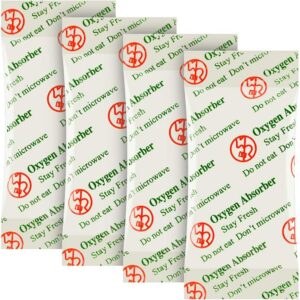
Oxygen absorbers are essential for all these containers, removing oxygen to prevent spoilage and kill insect eggs. Practical Self Reliance recommends them for dry milk in glass jars and Mylar-lined buckets. Use 2000cc absorbers for 5-gallon buckets or 300–500cc for #10 cans and jars. Store unused absorbers in a sealed mason jar to maintain efficacy.
Product Recommendation: Oxy-Sorb 2000cc Oxygen Absorbers, 20-Pack – Perfect for large buckets and long-term storage.
Tips for Pest Resistance and Airtight Seals
To ensure pest resistance, use food-grade containers and inspect for cracks or lingering odors (e.g., pickle-scented buckets can taint food). Mylar bags inside buckets add a rodent-proof layer, while glass jars and #10 cans are naturally pest-resistant. For airtight seals, use a clothes iron or handheld sealer for Mylar bags, and ensure gamma lids are tightly screwed on. Regularly check seals and store containers off concrete to prevent moisture seepage.
Choosing the Right Container for You
Your choice depends on your needs. For bulk grains, pair Mylar bags with 5-gallon buckets and gamma lids. For smaller quantities or frequent use, glass jars are ideal. #10 cans suit those with access to a can seamer. Combine these with oxygen absorbers for maximum shelf life. At Practical Self Reliance, we mix and match—glass jars for spices, Mylar-lined buckets for grains—to build a versatile, pest-proof pantry.
By investing in quality containers and following these tips, you’ll ensure your food stays fresh and ready for any emergency. Start small, repackage your staples, and build a pantry that lasts decades.