
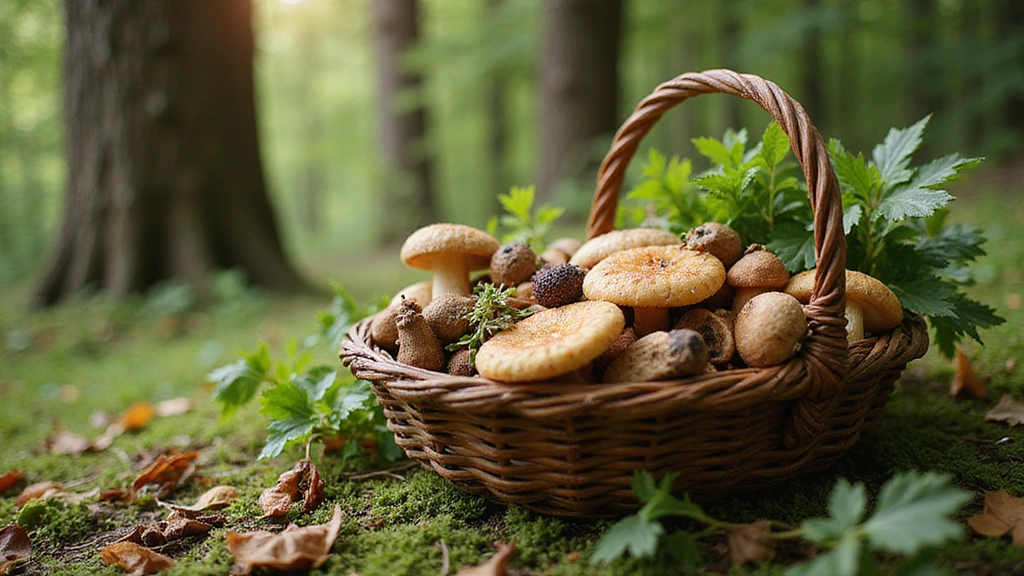
Step into the wild and let nature be your kitchen! Foraging is not just about gathering food; it’s an adventure waiting to unfold.
From the vibrant greens of spring to the robust mushrooms of autumn, the great outdoors is packed with edible treasures. With just a basket and a bit of curiosity, you can transform wild food into mouthwatering dishes. Each recipe highlights seasonal ingredients, allowing you to connect with nature while savoring fresh flavors. So, grab your basket, lace up your boots, and let’s dive into these delicious foraging recipes that will inspire your culinary journey!
Contents
- 1. Wild Garlic Pesto
- 2. Dandelion Salad
- 3. Fried Chanterelle Mushrooms
- 4. Nettles Soup
- 5. Berry Crumble
- 6. Acorn Flour Pancakes
- 7. Elderflower Cordial
- 8. Wild Mushroom Risotto
- 9. Ramp Butter
- 10. Wild Fennel Sausage
- 11. Lovage Soup
- 12. Sweet Potato and Wild Greens Mash
- 13. Wild Herb Flatbread
- 14. Honey and Wildflower Grits
- 15. Wild Apple Chutney
- 16. Wild Mint Mojito
- 17. Wild Rose Petal Jam
- 18. Pine Needle Tea
- 19. Wild Grapes and Cheese Pairing
- 20. Herb-Infused Olive Oil
- 21. Stinging Nettle Chips
- 22. Sautéed Purslane
- 23. Fiddlehead Ferns with Lemon
- 24. Clover Sprout Salad
- 25. Seaweed Salad
1. Wild Garlic Pesto
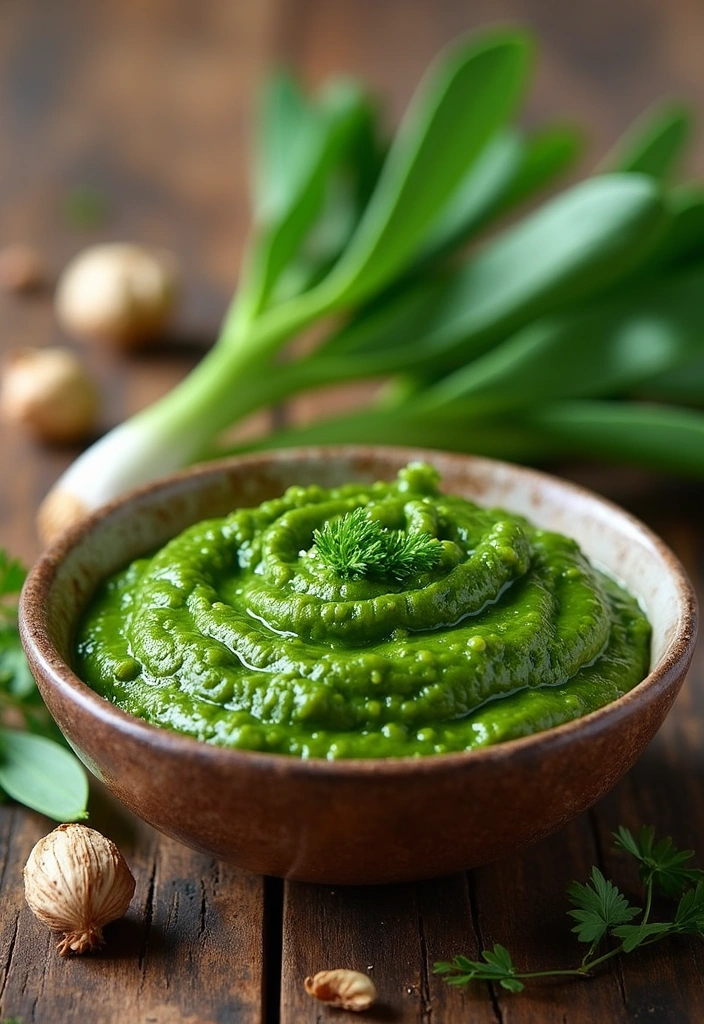
Wild garlic is one of the most flavorful and easy-to-identify foraged foods. Its vibrant green leaves burst with garlicky goodness, making it perfect for pesto!
Ingredients: 2 cups of wild garlic leaves, 1/2 cup of nuts (like pine nuts or walnuts), 1/2 cup of grated Parmesan cheese, 1 cup of olive oil, salt to taste.
Method: 1. Rinse the wild garlic leaves to remove any dirt. 2. In a food processor, combine the leaves, nuts, and Parmesan cheese. If you don’t have a food processor yet, consider the Hamilton Beach Food Processor, which is perfect for slicing, shredding, and pureeing your ingredients. 3. With the machine running, slowly drizzle in olive oil until you reach your desired consistency. 4. Season with salt. Enjoy it tossed with pasta, spread on toast, or as a dip with fresh veggies!
For a unique twist, try adding a squeeze of lemon juice or a pinch of chili flakes for an extra kick!
Wild garlic can be found in damp woodlands and is often abundant in spring. Look for its broad leaves and distinctive smell – once you spot it, your taste buds are in for a treat! As you venture out to forage, consider using a foraging basket to collect your bounty. This handmade basket from Ghana is not only functional but also adds a touch of beauty to your foraging experience.
2. Dandelion Salad
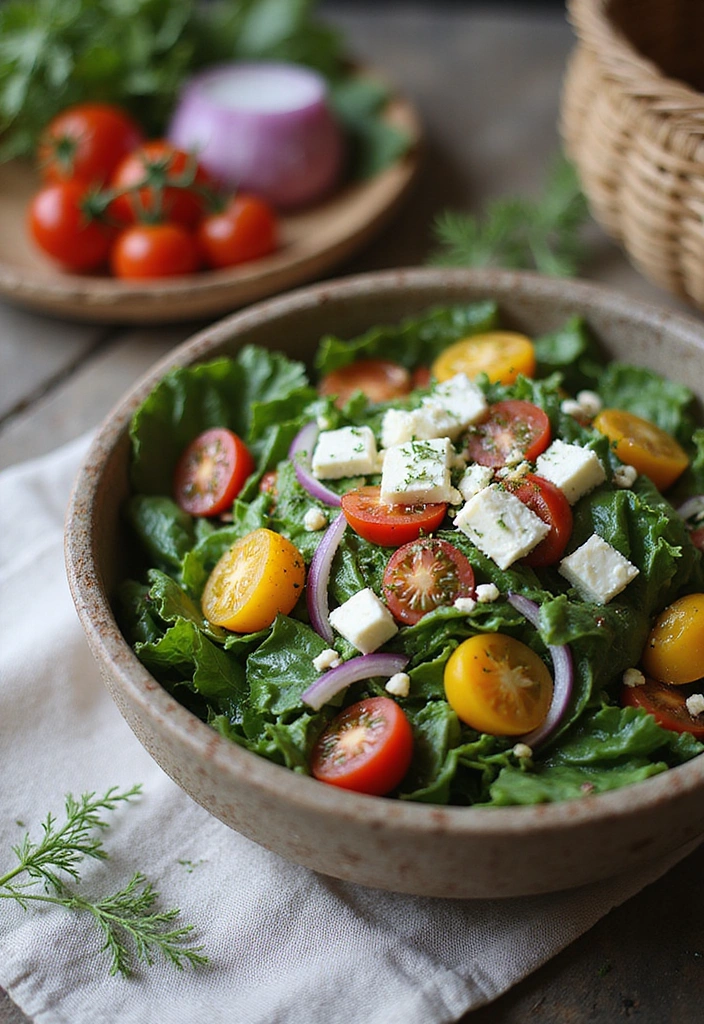
Dandelions may be seen as pesky weeds, but their leaves are packed with nutrients and flavor, making them a fantastic addition to your foraging adventures!
Ingredients: 2 cups of young dandelion leaves, 1/2 cup of cherry tomatoes, 1/4 of a red onion sliced thin, 1/4 cup of crumbled feta cheese, olive oil, balsamic vinegar, salt, and pepper.
Method: 1. Wash the dandelion leaves thoroughly and chop them roughly. Using a salad spinner can make this process easier, helping to remove excess water for a crispier salad. 2. In a large bowl, combine the dandelion leaves, tomatoes, onion, and feta. 3. Drizzle with olive oil and balsamic vinegar—consider using an olive oil dispenser for a precise pour—and then sprinkle with salt and pepper. Toss gently. Serve immediately for a refreshing, wholesome salad!
Dandelion leaves have a slightly bitter taste that pairs beautifully with the sweetness of tomatoes and the creaminess of feta. To gather your dandelion bounty, a sturdy foraging basket makes the perfect companion, allowing you to collect your greens with ease.
Harvest leaves in early spring before the flowers bloom for the best flavor and tenderness. The younger, smaller leaves are less bitter and more palatable!
3. Fried Chanterelle Mushrooms
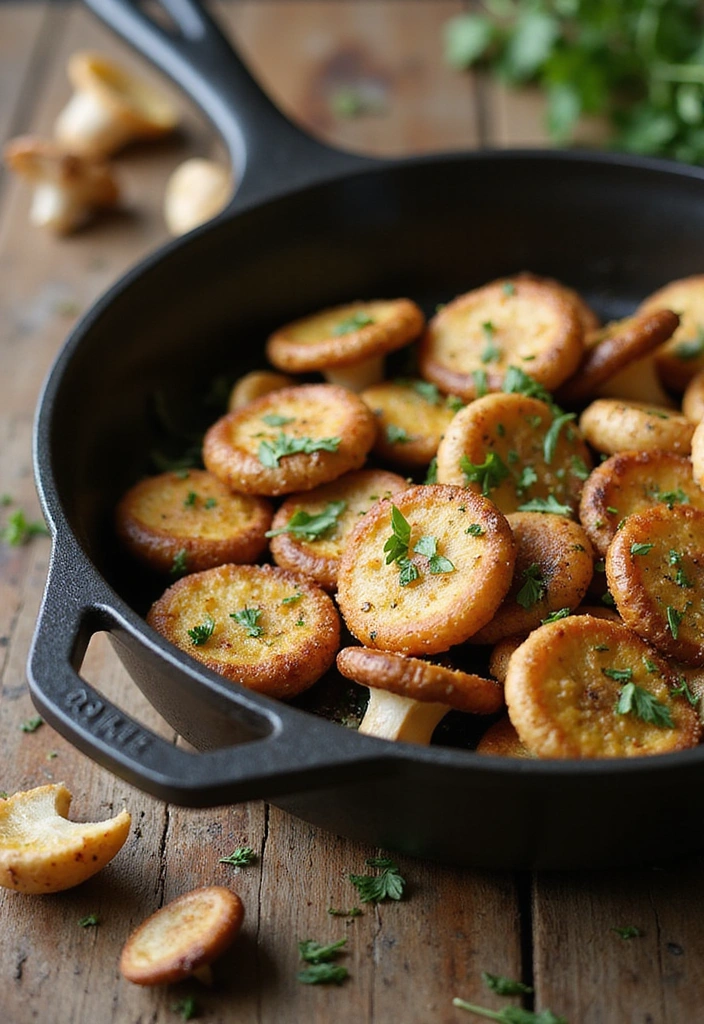
Nothing beats the earthy, nutty flavor of chanterelle mushrooms! These golden beauties are a prized find in the forest and can be enjoyed in a simple yet delicious way.
To get started, you’ll need fresh chanterelle mushrooms, butter, salt, pepper, and fresh herbs like thyme or parsley. For the perfect cooking experience, consider using an non-stick skillet to ensure your mushrooms sauté evenly and are easy to flip without sticking.
Method: 1. Clean the mushrooms gently with a damp cloth. 2. In your non-stick skillet, melt a generous amount of butter over medium heat. 3. Add the mushrooms and sauté until they are golden brown and tender, about 5-7 minutes. 4. Season with salt, pepper, and sprinkle with freshly chopped herbs before serving. Enjoy them on their own or tossed with pasta!
Chanterelles have a delicate flavor and are best showcased in simple dishes where they can shine. Try adding them to an omelet or as a topping on a pizza! If you’re chopping herbs to enhance your dish, an herb chopper will make the task quick and easy, ensuring you get those fresh flavors just right.
Be sure to correctly identify chanterelles, as they are often confused with poisonous look-alikes. A reliable foraging guide, like Mushroom Foraging Guide Book, can help ensure safe harvesting, making your foraging adventures both enjoyable and safe!
4. Nettles Soup
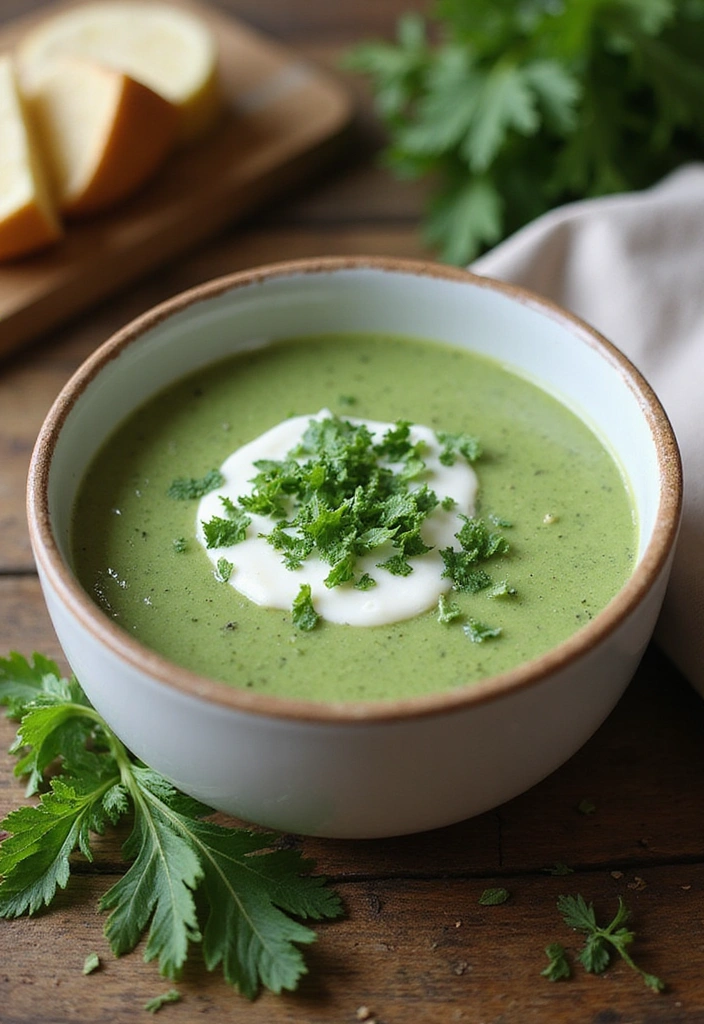
Nettle soup is a traditional dish that highlights the vibrant, green goodness of this wild green. Packed with vitamins A and C, it’s a healthy choice that’s surprisingly delicious!
To get started, you’ll need some essential ingredients: 4 cups of fresh nettle leaves, 1 onion, 2 cloves of garlic, 4 cups of vegetable broth, 1 potato, olive oil, salt, and pepper. Before you head out to gather your nettles, make sure you’re equipped with foraging gloves. Wearing gloves is essential when handling nettles to avoid any sting.
Once you have your nettles, rinse them thoroughly and remove the stems, setting the leaves aside. In a pot, heat olive oil and sauté chopped onion and garlic until fragrant. Next, add the diced potato and broth, bringing it to a boil. When the potato is tender, stir in the nettles and cook for another 5 minutes. To achieve a creamy texture, use an immersion blender to blend the soup until smooth, then season with salt and pepper.
Serve the soup warm, often with a dollop of cream or a sprinkle of cheese on top for added indulgence. If you’re planning to forage frequently, a sturdy foraging basket can be a great investment. This handmade basket is perfect for collecting your wild greens while supporting women artisans in Ghana.
Make sure to harvest nettles in the spring before they flower for the best flavor. Happy foraging!
5. Berry Crumble
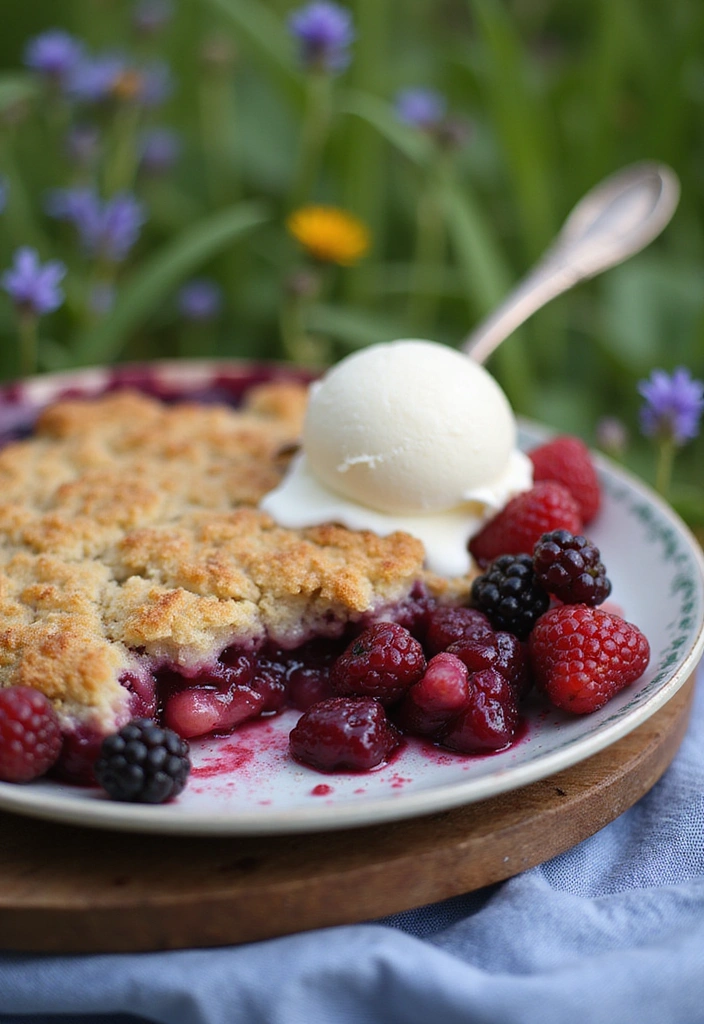
Wild berries like blackberries, blueberries, or raspberries make for a delightful dessert that’s as easy to prepare as it is delicious!
Ingredients: 2 cups of mixed wild berries, 1 cup of oats, 1/2 cup of flour, 1/4 cup of brown sugar, 1/4 cup of butter, a dash of cinnamon.
Method:
1. Preheat your oven to 350°F (175°C).
2. In a baking dish, spread the wild berries out evenly. For this, a sturdy oven safe baking dish like the DOWAN Casserole Dish is perfect, as it can handle the heat and has plenty of space for your berries.
3. In a bowl, combine oats, flour, brown sugar, and cinnamon. Add melted butter and mix until crumbly. To ensure accurate measurements, make use of a reliable measuring cups and spoons set. This will help you get the proportions just right.
4. Sprinkle the crumble mixture over the berries.
5. Bake for 25-30 minutes until the topping is golden brown and crisp. Serve warm with ice cream or yogurt!
It’s a sweet and simple way to enjoy the fruits of your foraging efforts. To carry your freshly picked berries, a beautiful foraging basket like the handmade Market Basket from Ghana can add to the adventure while ensuring you gather them safely.
Experiment with different berries or add nuts for extra crunch. Be sure to pick only fully ripe berries for the best flavor!
6. Acorn Flour Pancakes

Foraging doesn’t just lead to greens or berries; acorns can also be a unique ingredient! Making acorn flour can be a fun adventure that starts with gathering acorns in a foraging basket. This natural, handmade basket is perfect for collecting your finds, providing a beautiful and sturdy option crafted by artisans.
Once you have your acorns, you’ll need to make acorn flour. Begin by properly leaching the acorns to remove the tannins, an essential step for safety and to eliminate bitterness. After that, grind the leached acorns into a fine powder. If you’re looking for an easy and quality acorn flour option, consider ROM AMERICA premium acorn starch powder, which is great for baking and will save you some time.
Now, let’s whip up these delightful pancakes! In a bowl, mix together 1 cup of acorn flour, 1 cup of milk, 1 egg, 1 tablespoon of sugar, 1 teaspoon of baking powder, and a pinch of salt until smooth. Heat a non-stick skillet over medium heat and pour in the batter to form pancakes. Cook until bubbles form, then flip and cook until golden.
Serve warm with maple syrup or honey for a truly unique breakfast experience! The use of a non-stick skillet will make flipping those pancakes a breeze, ensuring they cook evenly without sticking. The effort you put into leaching the acorns and creating these pancakes will pay off with a delightful nutty flavor!
7. Elderflower Cordial
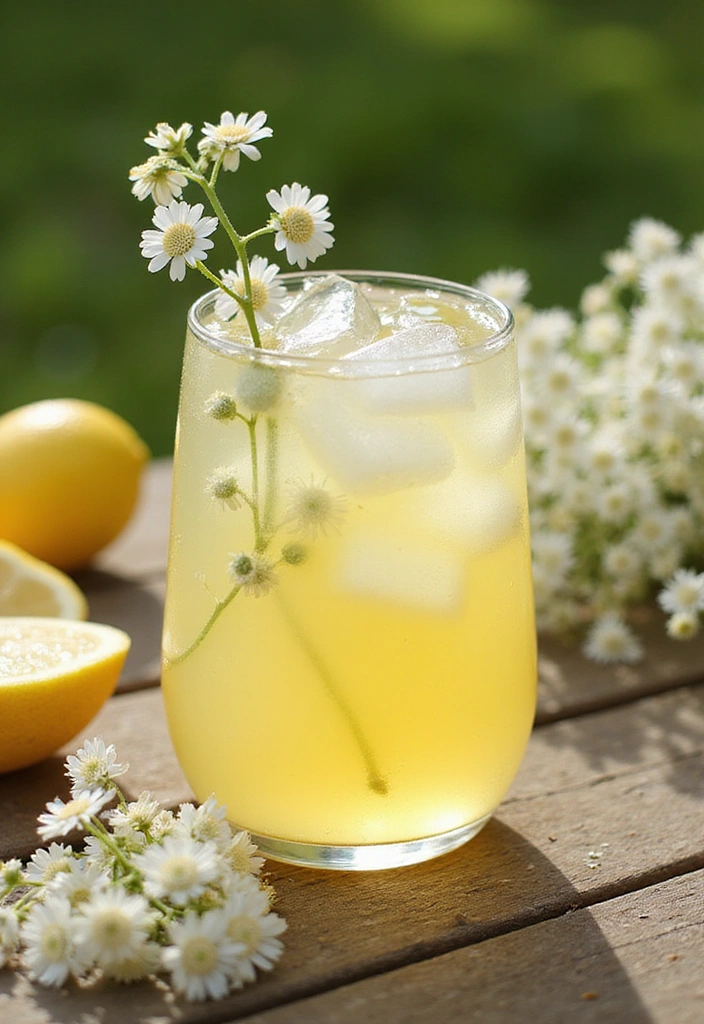
Elderflowers are a fragrant delight in late spring and summer, and they can be transformed into a refreshing drink that’s perfect for warm days!
For this recipe, you’ll need 20 elderflower heads, 1 lemon (zested and juiced), 4 cups of water, 2 cups of sugar, and 1 tablespoon of citric acid (optional).
Method:
1. In a pot, bring the water to a boil and dissolve the sugar.
2. Remove from heat, add the elderflowers, lemon zest, and juice, then stir.
3. Let the mixture steep for 24 hours, strain, and bottle it using glass bottles with caps to ensure freshness. Dilute with water or sparkling water before serving!
This drink is wonderfully fragrant and refreshing, making it ideal for a summer picnic or as a mixer in cocktails. To make the zesting process easier, consider using a citrus zester. Its razor-sharp blade will help you quickly and efficiently zest the lemon for your cordial.
When you’re ready to head out and gather elderflowers, you can use a foraging basket. This handmade basket is perfect for collecting your flowers and is both durable and beautiful, adding a touch of charm to your outdoor adventure.
Remember to harvest elderflowers on a dry day for the best flavor and be sure to properly identify the plant, as the berries should not be consumed raw in large quantities. Enjoy your foraging and the delightful elderflower cordial!
8. Wild Mushroom Risotto
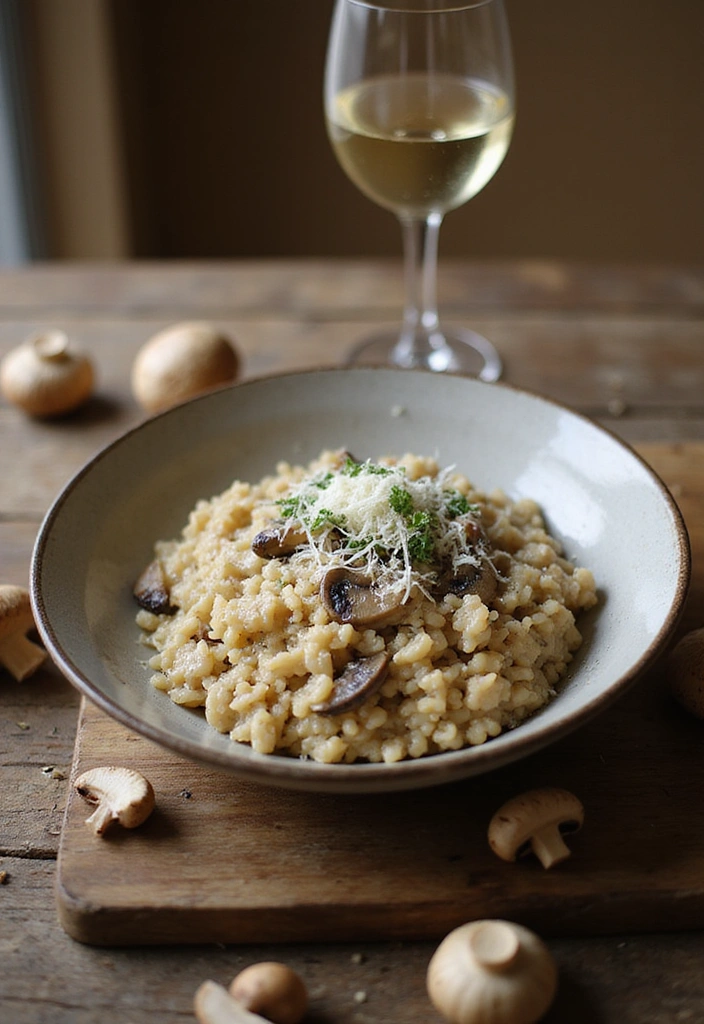
Harness the flavors of the forest with a creamy wild mushroom risotto. Using various mushrooms enhances the texture and taste of this comforting dish!
Ingredients: 1 cup of arborio rice, 2 cups of mixed wild mushrooms, 1 onion, 2 cloves of garlic, 4 cups of vegetable stock, 1/2 cup of white wine, olive oil, and Parmesan cheese.
Method: 1. In a pot, heat olive oil and sauté chopped onion and garlic. 2. Add the mushrooms and cook until tender. 3. Add the rice, stirring it to coat, then pour in the white wine, letting it absorb. 4. Gradually add vegetable stock, stirring frequently until creamy. 5. Finish with Parmesan cheese for richness. Serve warm for a perfect meal!
Wild mushrooms add depth and earthiness, making this dish a true gourmet experience. To ensure you gather the best fungi, consider using a mushroom identification guide to help you identify and gather wild mushrooms safely.
For your foraging adventures, don’t forget to bring along a sturdy foraging basket like the handmade one from Ghana. This large basket is perfect for collecting your finds and adds a touch of authenticity to your outdoor experience.
Finally, to create the perfect risotto, a quality pot is essential. The risotto pot made in Italy is an excellent choice. Its hand-hammered design not only looks beautiful but also ensures that your rice cooks evenly, resulting in a creamy, delicious risotto every time.
Mix different mushroom varieties for a complex flavor profile. Foraging adds a special touch that makes each risotto unique!
9. Ramp Butter
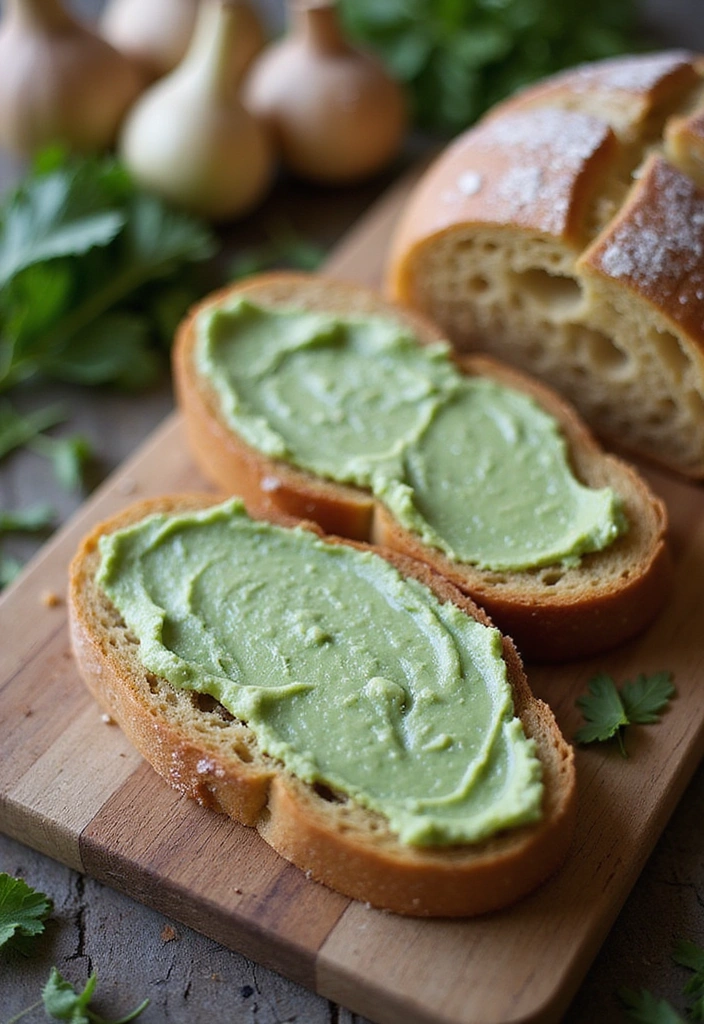
Ramps, or wild leeks, are a seasonal delicacy that can elevate simple dishes. Ramp butter is an easy way to incorporate their unique flavor into your meals!
**Ingredients:** 1 cup of ramps (cleaned and chopped), 1 cup of softened butter, salt to taste.
**Method:**
1. In a bowl, mix the chopped ramps with softened butter until well combined.
2. Season with salt.
3. For enhanced flavor, roll the mixture in parchment paper into a log shape and chill in the fridge to firm it up. This will help maintain the shape of the butter while it sets and makes it easy to slice into rounds.
4. Slice off rounds to use on grilled meats, veggies, or spread on bread!
This compound butter is a fantastic way to enjoy ramps’ garlicky goodness anytime!
Ramps are typically found in wooded areas during spring. They have a strong smell similar to garlic, making them easy to identify. Just make sure to harvest responsibly and not over-pick in any one location!
10. Wild Fennel Sausage

If you’re up for a little more culinary adventure, why not try making your own sausage with wild fennel? It’s a delicious way to incorporate foraged ingredients!
Ingredients: 1 lb of ground meat (pork or beef), 1/4 cup of chopped wild fennel fronds, 1 clove of garlic (minced), salt, pepper, and your choice of spices.
Method: 1. In a bowl, combine the ground meat with fennel, garlic, and spices until thoroughly mixed. To make the mixing process easier, consider using herb scissors to chop your wild fennel fronds quickly and uniformly. 2. Form into patties or stuff into casings if you’re feeling ambitious! If you choose to stuff your sausage, a sausage stuffer kit can help you achieve the perfect casing for your mixture. 3. Cook on a grill or stovetop until browned and cooked through in a trusty cast iron skillet, which provides even heat distribution for great results. Serve with crusty bread or in a hearty stew for a flavorful meal.
Wild fennel adds a unique anise flavor that makes these sausages stand out! Foraging for wild fennel is especially rewarding in coastal areas. The plant has a distinct aroma, and you can use both the fronds and seeds to enhance your dishes!
11. Lovage Soup
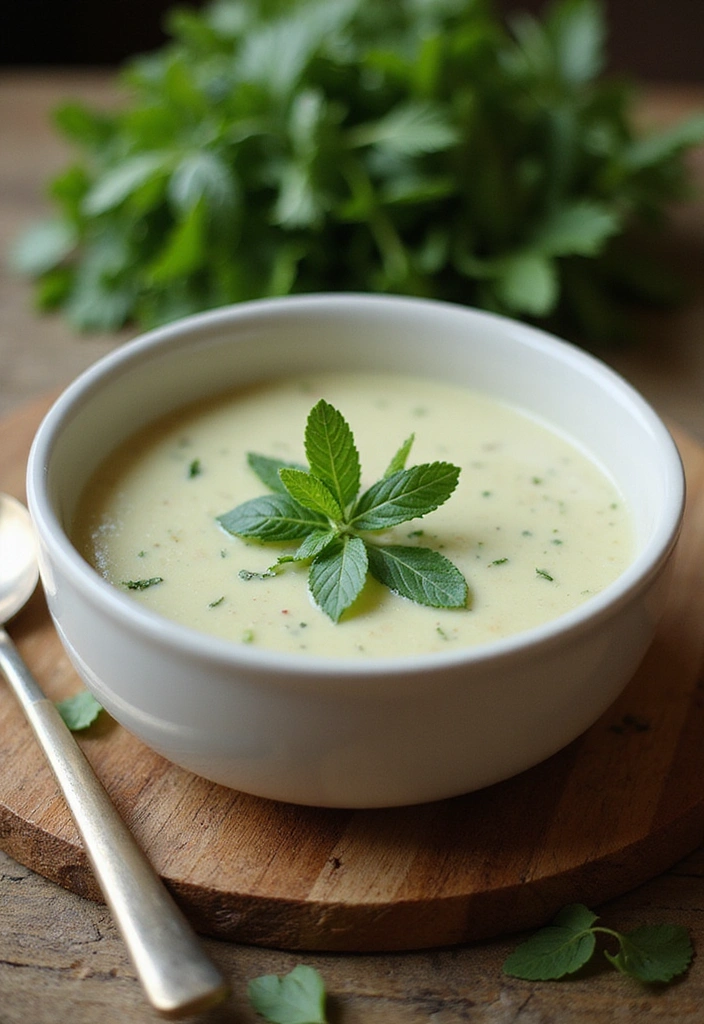
Lovage is a perennial herb that has a strong celery flavor, making it a delightful addition to soups! To create a delicious lovage soup, you’ll need 2 cups of lovage leaves, 1 onion, 2 potatoes, 4 cups of vegetable broth, and salt and pepper to taste.
Start by sautéing chopped onion in a pot until it becomes translucent. Next, add diced potatoes and the vegetable broth, bringing the mixture to a boil. Once the potatoes are tender, fold in the lovage leaves and cook for an additional 5 minutes. After that, blend everything until smooth, seasoning with salt and pepper. This soup is hearty yet refreshing!
The bright flavor of lovage shines through, making it a perfect spring dish that feels rejuvenating and warm. For a smooth and velvety texture, consider using a Ninja BL610 Professional blender. Its total crushing technology will ensure your soup is blended to perfection.
When foraging for lovage, look for it in gardens or along the edges of fields. The younger leaves are more tender and flavorful, making them ideal for cooking. To help with your foraging, the forager’s guide to wild foods is an excellent resource to identify and learn more about this herb and others.
To make your cooking process even easier, consider using herb scissors. These tools are designed to cut fresh garden herbs quickly and efficiently, saving you time while prepping your ingredients. Enjoy your cooking adventure!
12. Sweet Potato and Wild Greens Mash

This mash combines the sweetness of sweet potatoes with the earthiness of wild greens, creating a tasty and nutritious side dish! To enhance your foraging experience, consider using a bamboo basket for foraging, handmade in Ghana by artisans. It’s perfect for collecting wild greens like nettles or dandelion greens on your next adventure.
For the recipe, you’ll need 2 sweet potatoes, 2 cups of wild greens, salt, and butter or olive oil.
Method: 1. Boil peeled sweet potatoes until tender. 2. In a separate pot, blanch the wild greens in boiling water for a couple of minutes, then drain. 3. Mash sweet potatoes with wild greens, adding butter or olive oil, and season with salt to taste. This dish is comforting yet packed with flavors and nutrients!
The sweet and savory combination makes it a great side for grilled meats or as a standalone dish.
When preparing your ingredients, a high-quality chef’s knife can help you efficiently peel and chop your sweet potatoes and wild greens. The sharp blades ensure precision and ease, making your cooking process smoother.
Feel free to experiment with different wild greens to play with flavors. Each type adds a unique touch to the mash, making it versatile for any meal. And for inspiration on foraging, the Forager’s Guide to Wild Foods is an excellent resource to help you identify and learn about various edible plants. Happy foraging!
13. Wild Herb Flatbread

Foraging herbs like nettle, wild garlic, or creeping thyme can elevate a simple flatbread. This easy recipe will impress your friends!
Ingredients: 2 cups of flour, 1 cup of water, 1/2 cup of chopped wild herbs, salt, and olive oil.
Method: 1. In a bowl, mix flour and salt. A flour sifter can help ensure your flour is free of lumps for a smoother dough. Slowly add water, creating a soft dough. 2. Fold in chopped herbs. 3. Roll out the dough into flat disks. 4. Cook on a hot cast iron skillet with a little olive oil until browned on both sides. Serve warm with dips or as a side!
These flatbreads are not only delicious but also a fun way to enjoy foraged herbs. And for easy herb preparation, consider using herb scissors to quickly chop your foraged finds without the hassle of a knife.
Get creative with your herb mix! Each batch can taste different based on your foraging find, adding excitement to every meal.
14. Honey and Wildflower Grits
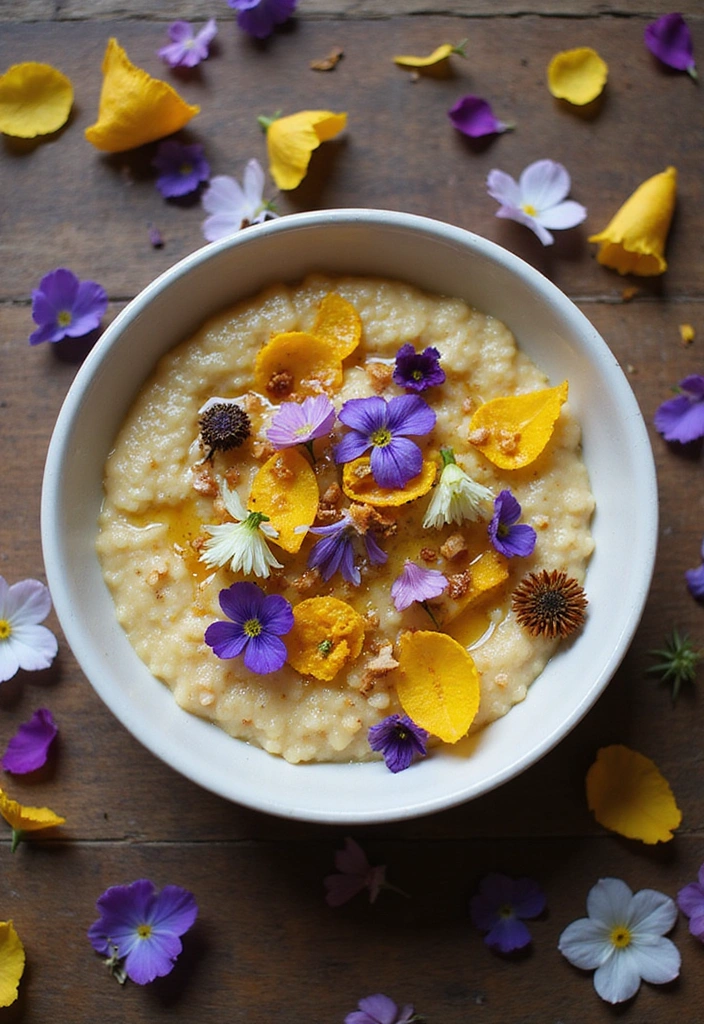
Wildflowers aren’t just pretty; some have edible blooms that can add a lovely touch to grits! With the right ingredients and a little adventure, you can create a dish that is both delicious and visually stunning.
Ingredients: 1 cup of grits, 4 cups of water, a pinch of salt, honey, and a selection of edible wildflowers (like nasturtiums or violets).
Method: 1. Cook grits in boiling water with a pinch of salt until thickened. 2. Stir in honey for sweetness. 3. Serve hot, topped with a sprinkle of edible wildflowers for a burst of color and flavor. This dish is a sweet and savory treat that’s sure to delight!
The combination of sweet honey and colorful flowers gives grits an elegant twist. To elevate your foraging experience, consider using the Forager’s Guide to Wild Foods. This guidebook will help you identify safe and edible flowers while exploring the outdoors, ensuring you make the most of your foraging adventure.
After your foraging, you might want to preserve your beautiful finds. An Aboofx flower press kit is perfect for drying and pressing flowers, which you can later use as delightful garnishes for your dishes, including these honey and wildflower grits. Just ensure the wildflowers you use are safe to eat and preferably unsprayed! They not only enhance flavor but also make your dish picture-perfect.
15. Wild Apple Chutney
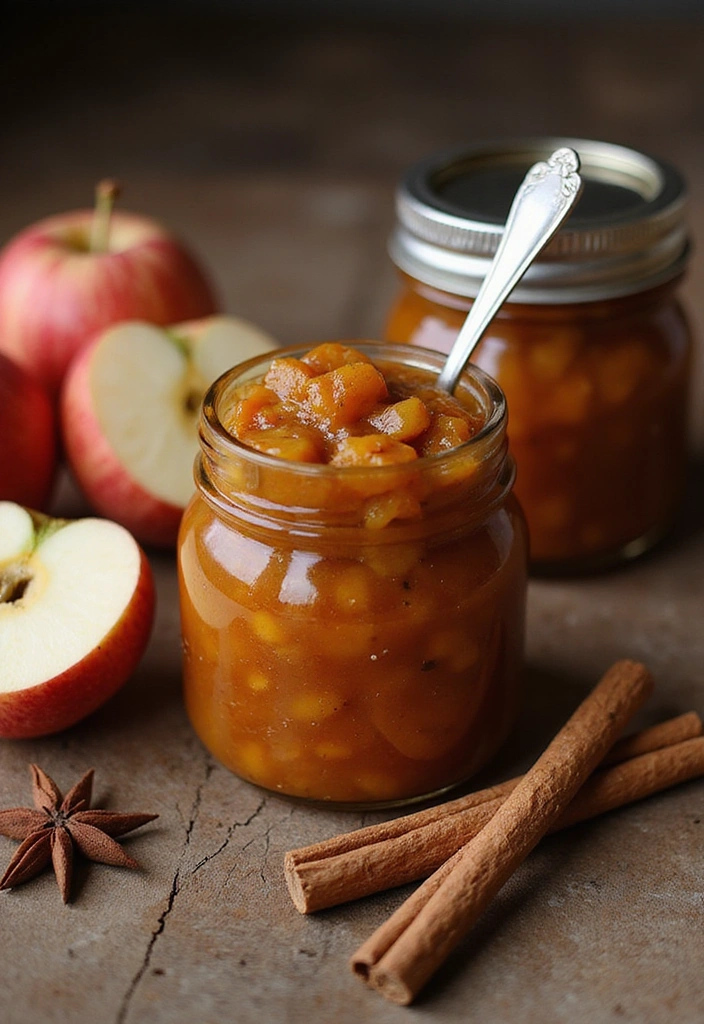
Foraging for wild apples can lead to a sweet and tangy chutney that pairs beautifully with meats and cheeses! To make the process even easier, consider using a durable foraging basket to collect your apples. This handmade basket is perfect for carrying your finds and adds a touch of charm to your outdoor adventure.
Ingredients: 4 cups of chopped wild apples, 1 onion (chopped), 1 cup of brown sugar, 1 cup of vinegar, spices (like ginger, cinnamon, and cloves).
Method: 1. In a pot, combine all ingredients and simmer for about an hour, stirring occasionally until thickened. 2. Transfer the chutney to sterilized jars, such as canning jars, and let cool before sealing. This chutney brings a unique, rustic flavor to cheese boards or served with grilled meats!
The combination of sweetness from the apples and the tanginess of vinegar creates a delightful balance. To enhance the flavors, you might want to experiment with spices, which you can easily blend using an electric spice grinder. This handy tool allows you to grind fresh spices to your liking, ensuring each batch has its own unique creation. Enjoy your foraging adventure!
16. Wild Mint Mojito
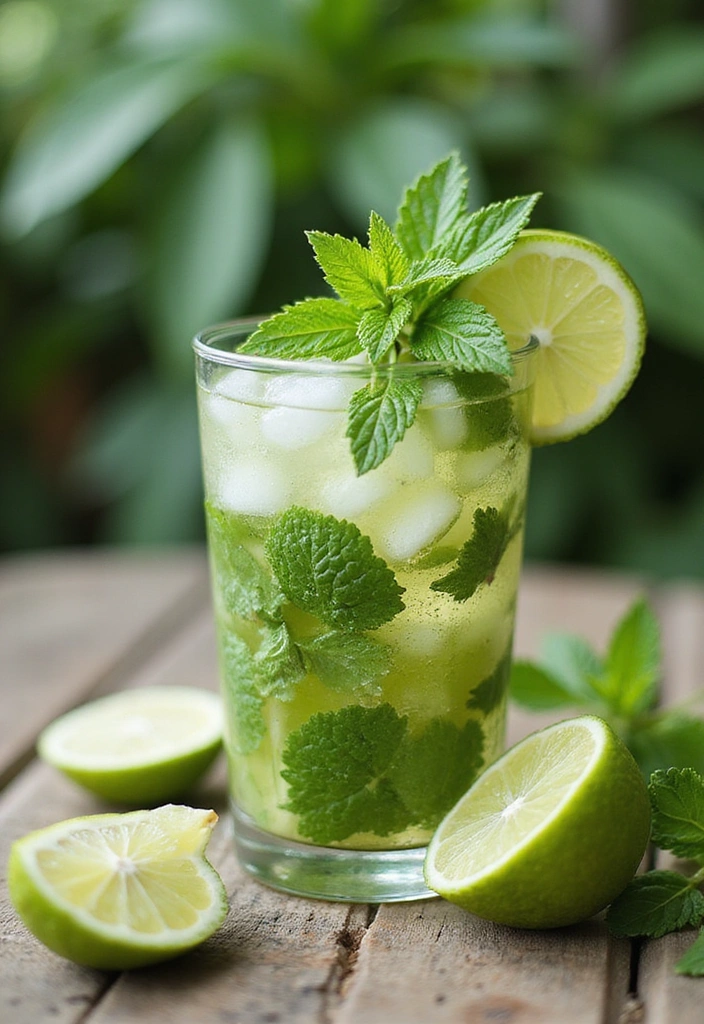
What better way to enjoy foraged ingredients than in a refreshing drink? Wild mint adds a fresh twist to the classic mojito!
Ingredients: A handful of wild mint, 1 lime, 2 tablespoons of sugar, soda water, and ice.
Method: 1. In a glass, muddle wild mint leaves with sugar and lime juice. A great tool for this is the muddler for cocktails, which makes it easy to extract the essential oils from the mint. 2. Fill the glass with ice, top with soda water, and stir well. Garnish with a sprig of mint for an aromatic touch!
This drink is both refreshing and fragrant, perfect for sipping on a hot day or serving at gatherings. Plus, using an herb stripper can help you quickly prepare your wild mint and other herbs, making the process even easier.
You can also try adding berries or other foraged fruits for a unique twist. Each batch can reflect the flavors of your foraging adventure!
17. Wild Rose Petal Jam
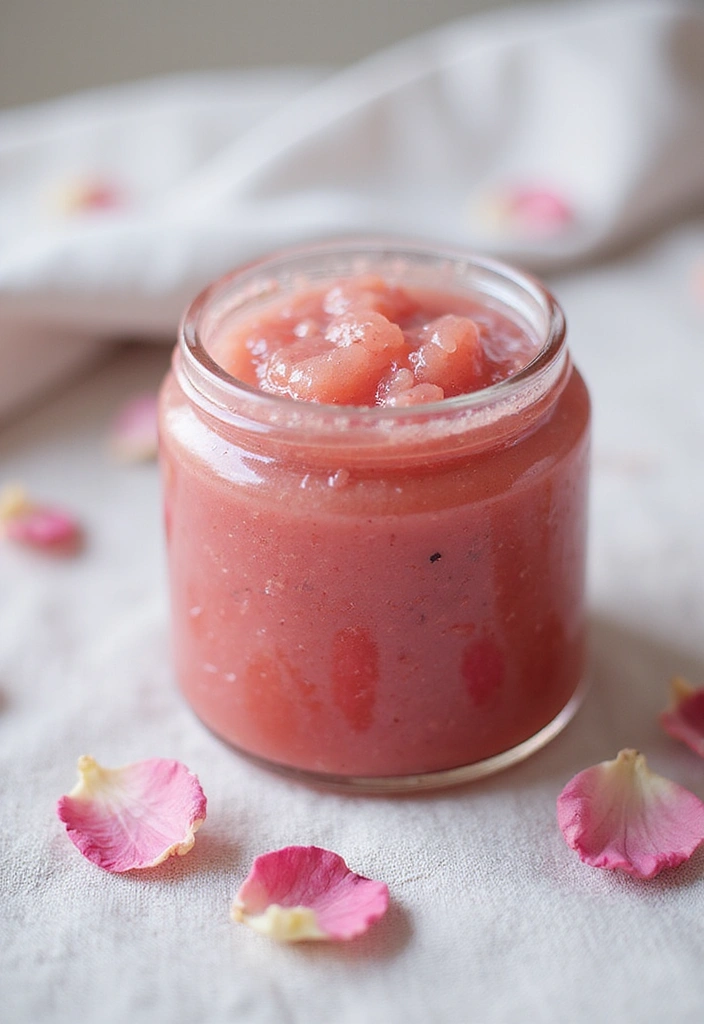
Wild roses not only look beautiful, but their petals can be used to create a fragrant jam that’s perfect for spreading! To gather your ingredients, don’t forget to grab a sturdy foraging basket to collect your fresh rose petals. This handmade basket is spacious and perfect for ensuring that your petals remain undamaged while you embark on your little adventure.
**Ingredients:** 2 cups of fresh wild rose petals, 1 cup of sugar, 1/2 cup of water, and the juice of one lemon.
**Method:**
1. In a saucepan, combine rose petals, sugar, and water.
2. Bring to a boil, then simmer for about 30 minutes.
3. Stir in lemon juice and cook for another 10 minutes until thickened.
4. Pour into canning jars with lids and let cool. This jam is lovely on toast or drizzled over desserts!
The delicate fragrance of the roses makes this jam a unique treat that’s sure to impress. Make sure to harvest rose petals on a dry day, as moisture can affect the jam’s setting. Avoid using any flowers that may have been treated with pesticides! Using the right storage, like the canning jars, ensures your jam stays fresh and delicious for longer.
18. Pine Needle Tea
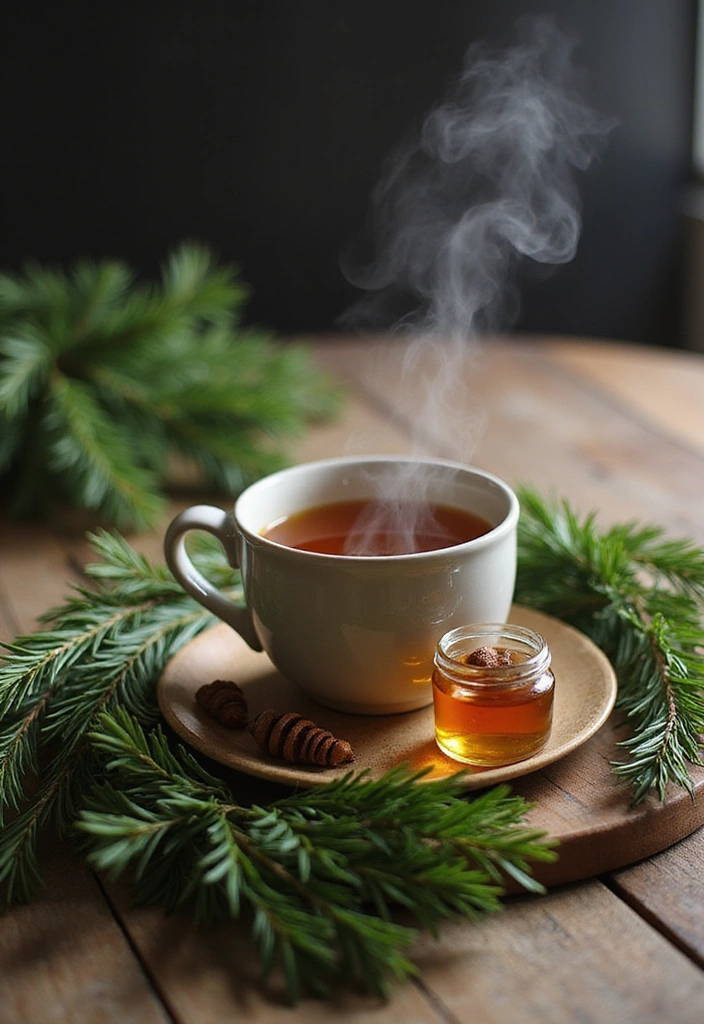
Pine needles are not just for the forest floor; they can be harvested to make a fragrant and healthful tea!
Ingredients: A handful of fresh pine needles, 2 cups of water, honey (optional).
Method: 1. Rinse pine needles thoroughly. 2. In a pot, boil water and add the needles. 3. Let steep for 15-20 minutes, then strain. Sweeten with honey if desired. This tea is loaded with vitamin C and has a refreshing flavor!
For straining, a handy tool is the herbal tea infuser, which features an extra fine mesh to ensure that you get the smoothest tea experience without any pesky bits of pine floating around. Alternatively, you might prefer using reusable tea bags that are perfect for steeping your pine needle tea. These muslin bags make it easy to contain the needles while allowing the flavors to infuse beautifully.
This tea is perfect for a cozy drink by the fire or as a refreshing iced tea in warmer months. When foraging for pine needles, ensure you’re harvesting from non-toxic species. The tea not only tastes good but also fills your home with a lovely pine aroma! If you’re looking to expand your foraging knowledge, consider picking up the forager’s guide to wild foods, which can help you discover even more delicious and safe foraged recipes.
19. Wild Grapes and Cheese Pairing

Foraging for wild grapes can yield a delightful cheese pairing that makes for a simple yet elegant appetizer. To create this delicious treat, you’ll need a bunch of wild grapes, your favorite cheese (like brie or goat cheese), and a drizzle of honey.
To make the experience even more enjoyable, consider using a cheese board set for serving. This large bamboo cheese board not only presents your cheese and grapes beautifully but also enhances the overall aesthetic for outdoor gatherings or charming appetizers.
Start by serving a platter of wild grapes alongside your chosen cheese. For added sweetness, drizzle honey over the cheese. A honey dispenser can make this task easier and mess-free, ensuring that you can enjoy your appetizer without any sticky situations.
When foraging, make sure the grapes are ripe. Wild grapes can vary in sweetness, making it a fun tasting experience! To carry your foraged goodies, a foraging basket is perfect. Handmade by artisans in Ghana, this natural basket is both functional and stylish, allowing you to gather your ingredients with ease and flair.
The sweetness of the grapes complements the creaminess of the cheese beautifully, making for a delightful appetizer that’s sure to impress.
20. Herb-Infused Olive Oil
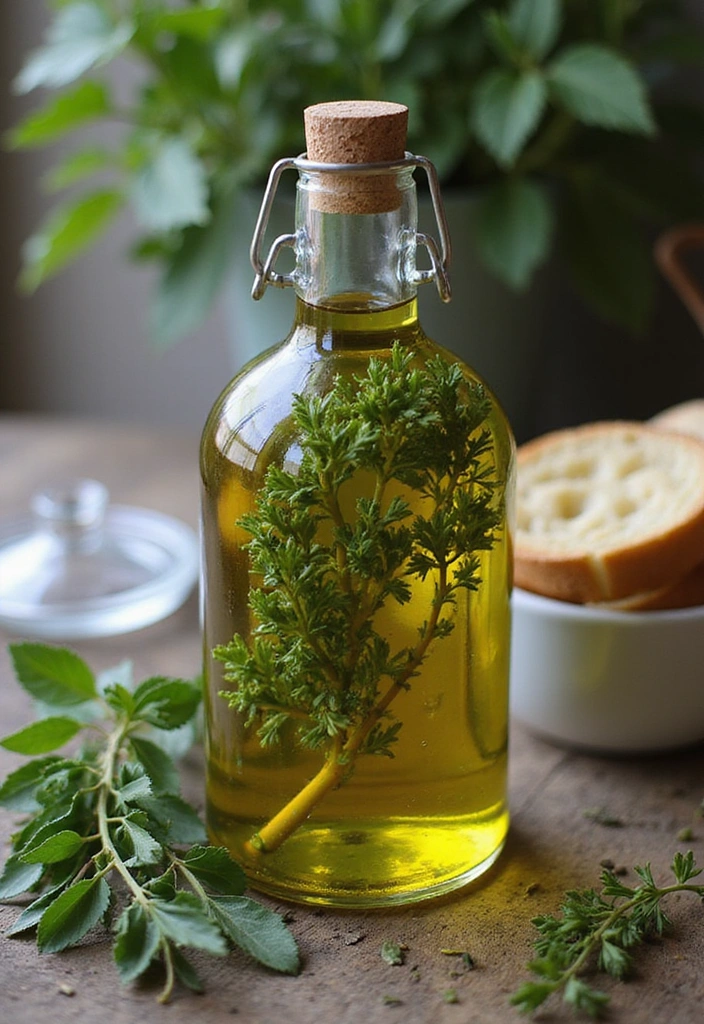
Foraged herbs can make a deliciously fragrant olive oil that’s perfect for drizzling over salads or bread. To create this infused delight, you’ll need just a couple of ingredients and a bit of time.
Ingredients: 1 cup of olive oil, 1/2 cup of mixed foraged herbs (like wild thyme or basil).
Method: 1. In a saucepan, heat olive oil over low heat. 2. Add the herbs and simmer gently for about 30 minutes, then strain. 3. Store the infused oil in a bottle, like the AOZITA 17oz Glass Olive Oil Bottle Dispenser. This beautiful bottle not only keeps your oil fresh but also adds a touch of elegance to your kitchen.
This infused oil adds a delicious touch to any meal, making it a versatile pantry staple. Experiment with different combinations of herbs to create unique flavors. To make the herb preparation easier, consider using an herb stripper tool. This handy gadget helps you quickly strip leaves from stems, saving you time and effort while prepping your foraged ingredients.
The oil can also be used as a thoughtful gift for fellow food lovers. For inspiration, consider pairing your homemade infused oil with a lovely gift set like the Viva Oliva Six 60ml Variety Gift Set, which includes premium flavored olive oils and balsamic vinegars. It’s a great way to elevate your gift!
21. Stinging Nettle Chips

Turn those pesky nettles into a delicious snack with these crunchy chips! They’re surprisingly tasty and healthy!
Ingredients: 2 cups of stinging nettles, olive oil, salt, and spices of your choice.
Method: 1. Preheat your oven to 350°F (175°C). 2. Wearing gloves, rinse and dry the nettles. A pair of foraging gloves is perfect for this task, protecting your hands while you handle those prickly leaves. 3. Toss them in olive oil and season to your liking. 4. Spread them on a baking sheet and bake for about 10 minutes, or until crispy. Enjoy as a healthy snack or topping for soups!
These chips have a slight nutty flavor that pairs perfectly with dips! To elevate your seasoning, consider using an herb and spice grinder to create your favorite blends.
Always wear gloves when handling nettles and only use young leaves for the most tender chips!
22. Sautéed Purslane

Purslane is often overlooked but is packed with omega-3 fatty acids and has a slightly tangy flavor that works beautifully in simple sautés! To make the most out of this nutritious green, you’ll want to have the right tools on hand.
Ingredients: 2 cups of fresh purslane, 1 garlic clove, olive oil, salt, and pepper.
Method: 1. Rinse the purslane and chop coarsely. A great tool for this is the OXO Good Grips vegetable chopper, which makes quick work of cutting up herbs and greens. 2. In a skillet, heat olive oil and sauté minced garlic until fragrant. Using an olive oil spray bottle ensures you get just the right amount of oil for cooking without the mess. 3. Add in the purslane and cook until wilted. Season with salt and pepper, and serve as a side or on top of a salad.
This dish is a fresh and nutritious way to enjoy foraged greens! Harvest purslane from sunny areas, selecting leaves that are thick and crunchy to ensure they’re fresh and flavorful. To cook your sautéed purslane, a sturdy and versatile cast iron skillet is perfect for achieving that delicious sauté without sticking. Enjoy your adventure in foraging and cooking!
23. Fiddlehead Ferns with Lemon
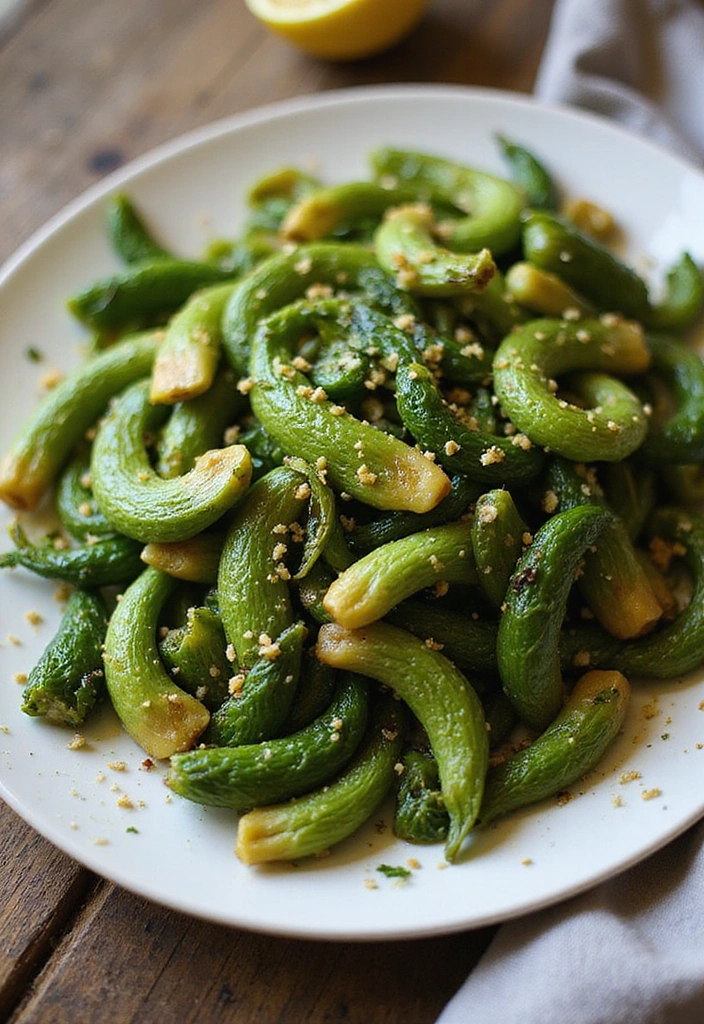
Fiddlehead ferns are a spring delicacy, and sautéing them with lemon creates a fresh, zesty dish that highlights their unique flavor! To make your foraging experience even better, consider using a basket for foraging to collect your fiddlehead ferns. Handmade in Ghana, this durable and stylish basket is perfect for carrying your harvest while exploring the outdoors.
### Ingredients:
– 2 cups of fiddlehead ferns
– 1 lemon (zested and juiced)
– Olive oil
– Salt
– Pepper
### Method:
1. Rinse fiddlehead ferns and remove any brown scales.
2. In a skillet, heat olive oil and sauté the ferns for about 5-7 minutes.
3. Add lemon zest and juice, seasoning with salt and pepper. Serve warm as a side dish or toss in a salad for extra crunch!
The bright flavor of lemon enhances the earthy taste of the ferns, making this a delightful spring dish! For the best results, a sharp knife is essential for preparing your ingredients. A chef’s knife set can make all the difference in the kitchen, helping you slice and chop with ease.
Only harvest fiddleheads that are tightly coiled and discard any that are uncoiled. Ensure to cook them thoroughly to guarantee they’re safe to eat! With the right tools, your foraged meal will be a delicious success. And if you’re looking for more inspiration on wild foods, consider picking up the Forager’s Guide to Wild Foods to expand your culinary adventures!
24. Clover Sprout Salad
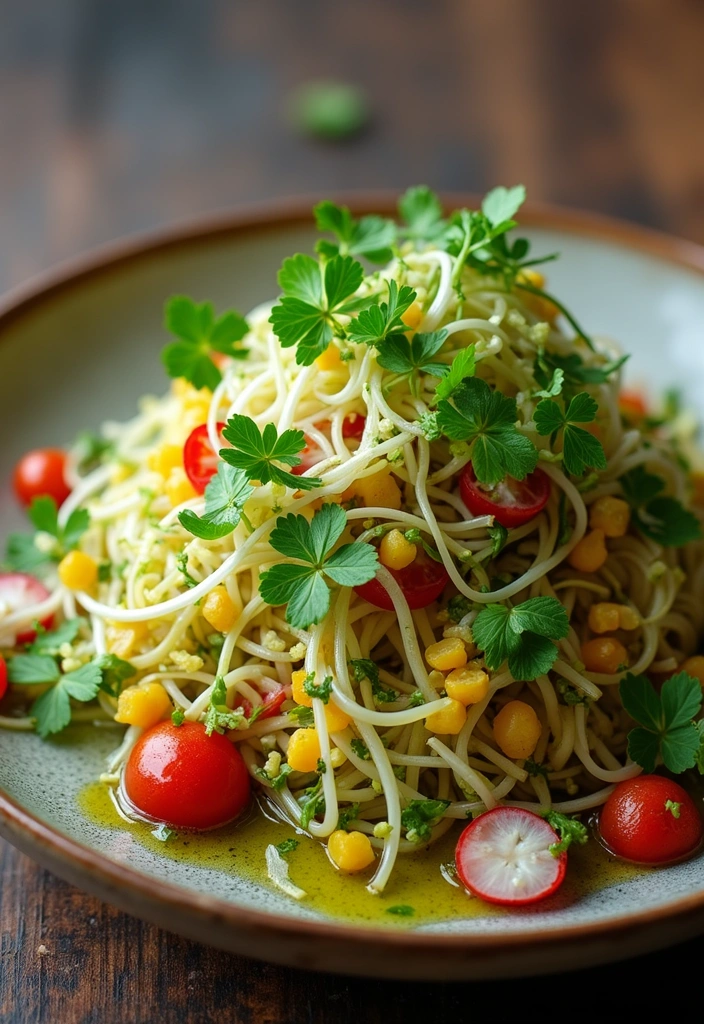
Clover sprouts are a delightful and nutritious addition to salads, adding a fresh crunch! They have a mild, sweet flavor that pairs beautifully with fresh veggies, making them a perfect base for a refreshing salad.
**Ingredients:** 2 cups of clover sprouts, 1/2 cucumber sliced, 1/2 carrot shredded, a handful of cherry tomatoes, olive oil, and vinegar.
**Method:** 1. In a bowl, combine clover sprouts, cucumber, carrots, and tomatoes. 2. Drizzle with olive oil and vinegar, using a handy glass salad dressing shaker to mix your dressing perfectly, then toss gently. Serve as a refreshing salad with a zing!
If you’re looking to wash your fresh clover sprouts and other greens thoroughly, consider using an OXO Good Grips large salad spinner. This tool will help you dry your greens quickly, ensuring they remain crisp and full of flavor.
Clover can often be found in meadows or lawns. As always, be sure to identify your plants correctly before consuming! If you’re interested in expanding your foraging knowledge, check out the Forager’s Guide to Wild Foods, which can enhance your culinary adventures with wild ingredients.
25. Seaweed Salad

Foraging along the coast can yield nutrient-rich seaweed, perfect for a refreshing salad!
Ingredients: 2 cups of fresh seaweed, 1 cucumber (sliced), sesame oil, soy sauce, and sesame seeds.
Method: 1. Rinse seaweed thoroughly and soak it in water to soften if needed. A handy salad spinner can help you wash and dry the seaweed efficiently. 2. Mix the rinsed seaweed with cucumber, drizzle with sesame oil and soy sauce, and toss well. 3. Sprinkle with sesame seeds for extra crunch!
This salad is not only refreshing but also packed with minerals from the sea, making it a unique addition to your meal.
Always forage for seaweed in clean waters and ensure you’re harvesting the right types. Rinse well to remove any sand or debris! For those looking to dive deeper into foraging, check out the Forager’s Guide to Wild Foods for tips on what to look for during your adventures.
Conclusion
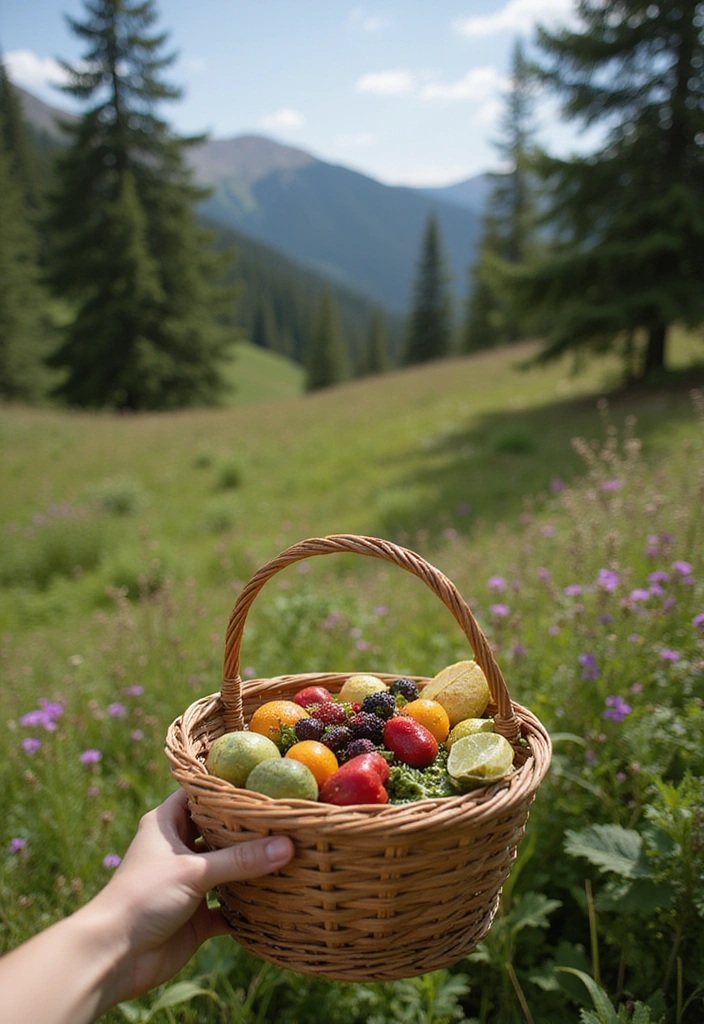
Foraging for wild food opens up a whole new world of culinary exploration. These 25 recipes celebrate the beauty and flavors of nature and inspire you to take that basket on an adventure.
Every dish tells a story, connecting you to the land and its seasonal gifts. So, step outside, embrace your inner forager, and let your taste buds discover the wonders that nature has to offer!
Note: We aim to provide accurate product links, but some may occasionally expire or become unavailable. If this happens, please search directly on Amazon for the product or a suitable alternative.
This post contains Amazon affiliate links, meaning I may earn a small commission if you purchase through my links, at no extra cost to you.