
Gardening isn’t just about the plants; it all starts from the ground up!
If you want your garden to flourish with vibrant blooms and crisp veggies, understanding soil health is key.
Healthy soil is like a buffet for plants—nutrient-rich and packed with life.
In this list, we’ll uncover 15 essential secrets that can transform your garden from mediocre to magnificent. Prepare to dig deep into the world of soil health and unlock the secrets that every gardener should have up their sleeves!
Contents
- 1. Know Your Soil Type
- 2. Test Your Soil
- 3. Improve Drainage
- 4. Add Organic Matter
- 5. Rotate Your Crops
- 6. Embrace Cover Crops
- 7. You Won’t Believe #7!
- 8. Mind the pH Levels
- 9. Utilize Worms for Healthier Soil
- 10. Mulch Like a Pro
- 11. Avoid Over-Tilling
- 12. Learn About Soil Compaction
- 13. Water Wisely
- 14. Seek Professional Help When Needed
- 15. Share Your Soil Stories
1. Know Your Soil Type
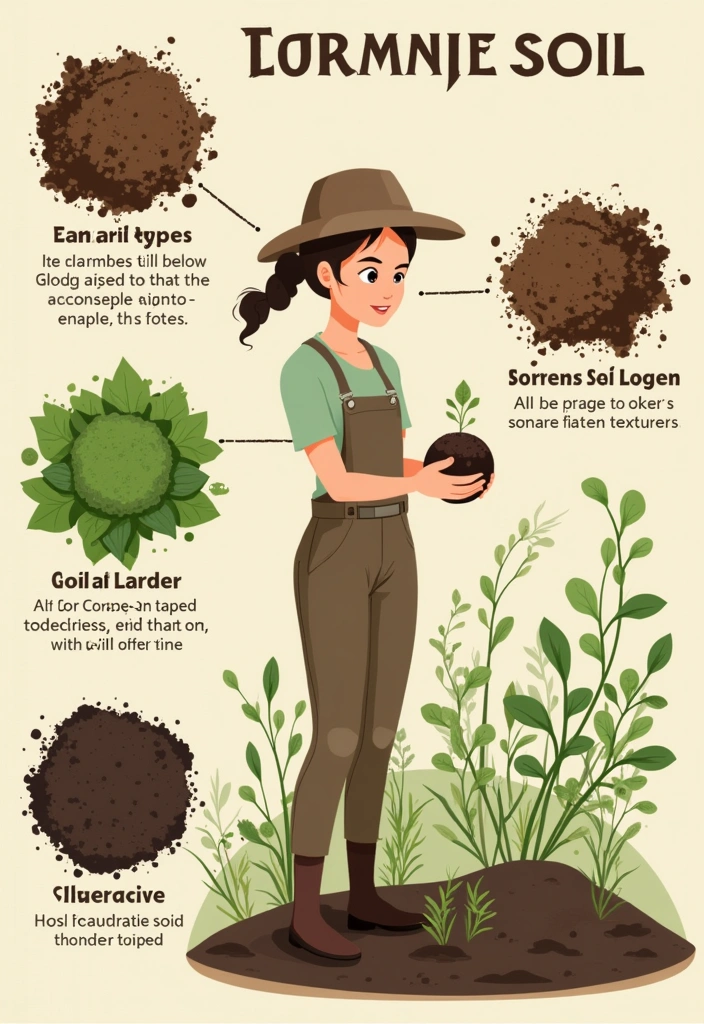
Understanding your soil type is the first step to nurturing a thriving garden. Soils can generally be categorized into four types: sandy, clay, loamy, and silt. Each has unique characteristics affecting drainage, nutrient retention, and aeration.
– Sandy soil: Drains quickly but can’t hold nutrients well.
– Clay soil: Retains water and nutrients but can become compact and hard.
– Loamy soil: The ideal mix that balances sand, silt, and clay; nutrient-rich and well-draining.
– Silty soil: Smooth and holds moisture well but can become compacted too.
To effectively care for your soil, consider using a soil test kit to analyze its pH and nutrient levels. Knowing your soil’s composition will help you tailor your gardening approach, ensuring your plants get exactly what they need to grow strong.
Additionally, if you find your soil lacking, products like Farmer’s Secret soil revitalizer can be a game changer. This organic liquid compost soil amendment is packed with activated humic acid and works wonders for enhancing soil health, especially during fall or spring applications. By incorporating these products, you’ll be one step closer to creating a flourishing garden!
2. Test Your Soil
So, you’ve got the scoop on your soil type—now it’s time to dig a little deeper with testing!
Soil tests tell you what nutrients are present and what might be lacking, making it easier to amend your soil health. You can purchase a home testing kit, like the Rapitest Soil Test Kit, which quickly and accurately measures your soil’s pH levels and nutrient concentrations. Alternatively, you can send a sample to your local extension service.
– **pH Levels**: Knowing the acidity or alkalinity helps in selecting the right plants. The soil test kit will give you a clear picture of this.
– **Nutrient Levels**: N, P, K concentrations indicate what you might need to add. With the soil test kit, you can assess what nutrients are present and what might be lacking.
– **Organic Matter**: A measure of soil’s fertility is crucial. To enhance this aspect, consider using Farmer’s Secret Soil Revitalizer, an organic soil amendment that acts as a dirt health booster, perfect for both fall and spring applications.
Regular testing is key; think of it as a health check-up for your garden. You can also keep an eye on soil moisture levels with a 4-in-1 Soil Moisture Meter, which measures moisture, pH, and sunlight intensity. A well-informed gardener is a successful gardener!
3. Improve Drainage
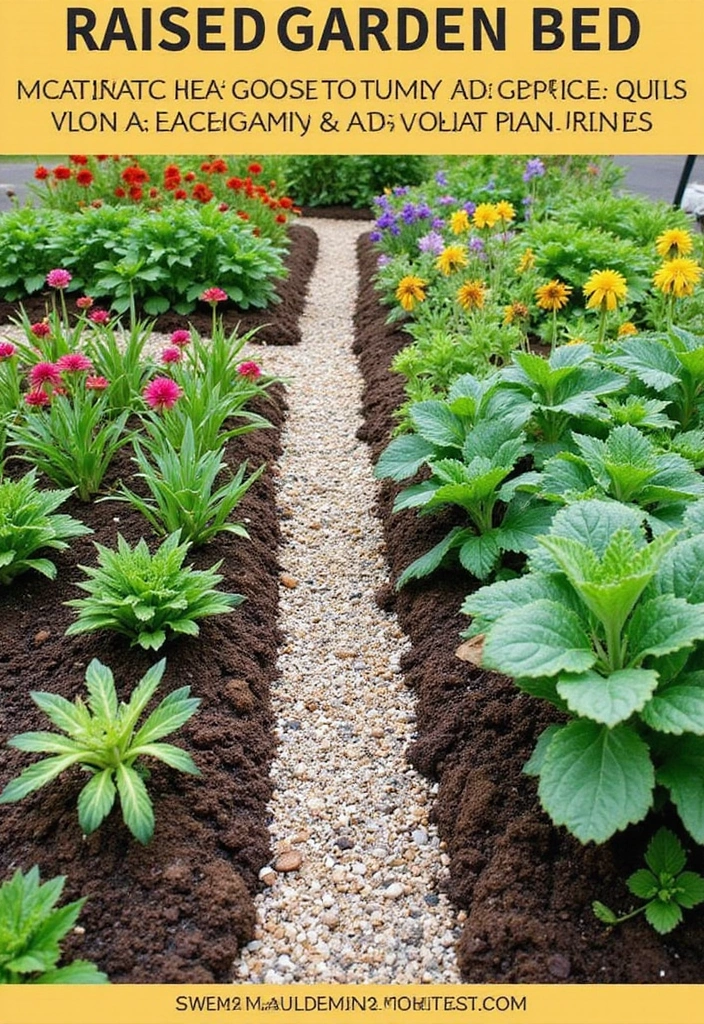
Good drainage can make or break your garden! Too much water can drown your plants, while too little can leave them thirsty.
– **Raised Beds**: Elevate your plants to improve drainage and warmth with options like the Best Choice Products 48x24x30in galvanized raised garden bed. This metal elevated planter box is perfect for your backyard, patio, or balcony and helps create a more manageable environment for your plants.
– **Organic Matter**: Adding compost and well-rotted manure can enhance soil structure. For a nutritious boost, consider using Espoma Organic Land and Sea gourmet compost. This unique mix, which includes lobster and crab meal, provides essential nutrients for vegetables, flowers, trees, and shrubs.
– **Sand and Gravel**: To promote drainage in heavy soils, mixing in materials like coarse sand for gardening can be highly effective. This horticultural sand is ideal for improving drainage and preventing waterlogging in your garden bed.
Pay attention to your watering habits, too—overwatering is a common mistake. Check for puddles and sogginess; your plants will thank you with vibrant growth!
4. Add Organic Matter
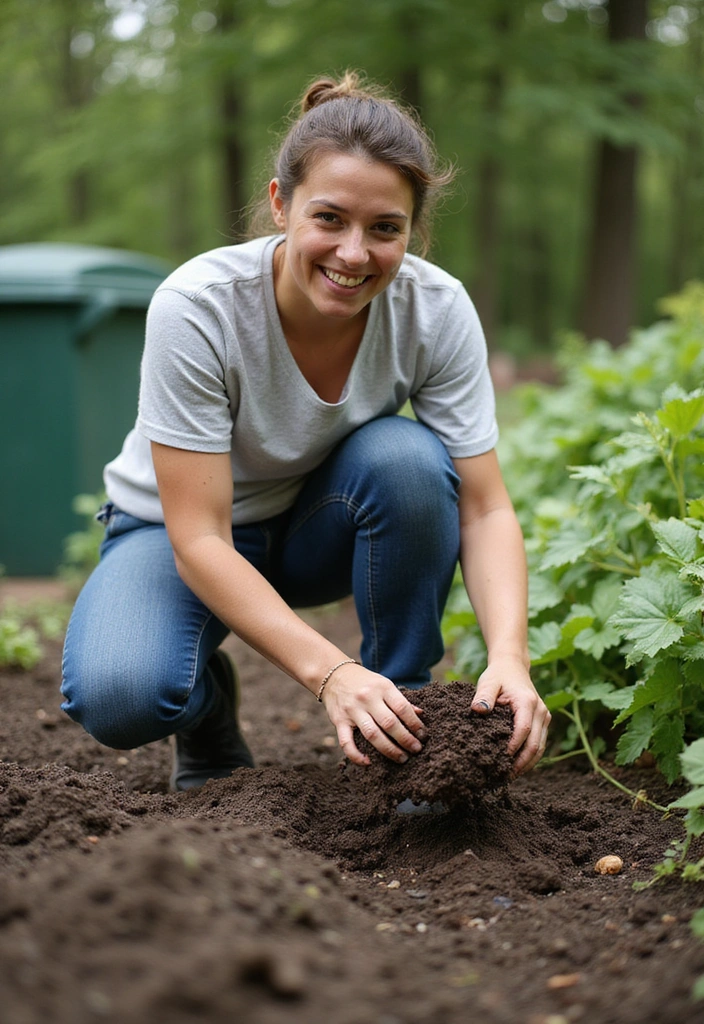
Organic matter is the superhero of soil health! It not only feeds your plants but also enhances soil structure, aeration, and moisture retention. One great way to add organic matter is by using a compost bin, like the EPICA countertop compost bin. This odorless bin makes it easy to recycle your kitchen scraps and yard waste into nutrient-rich compost, also known as “black gold.”
Additionally, layering organic mulch is incredibly beneficial for your garden. Products like Back to the Roots organic mulch not only protects the soil but also helps regulate temperature, ensuring your plants stay cozy and healthy.
For an extra nutrient boost, consider adding well-composted manure to your soil. The aged manure product provides essential nutrients, but be sure it’s well-aged to prevent burning your plants.
Incorporating organic matter should be a seasonal ritual—your soil will transform into a nutrient-rich haven for your garden!
5. Rotate Your Crops
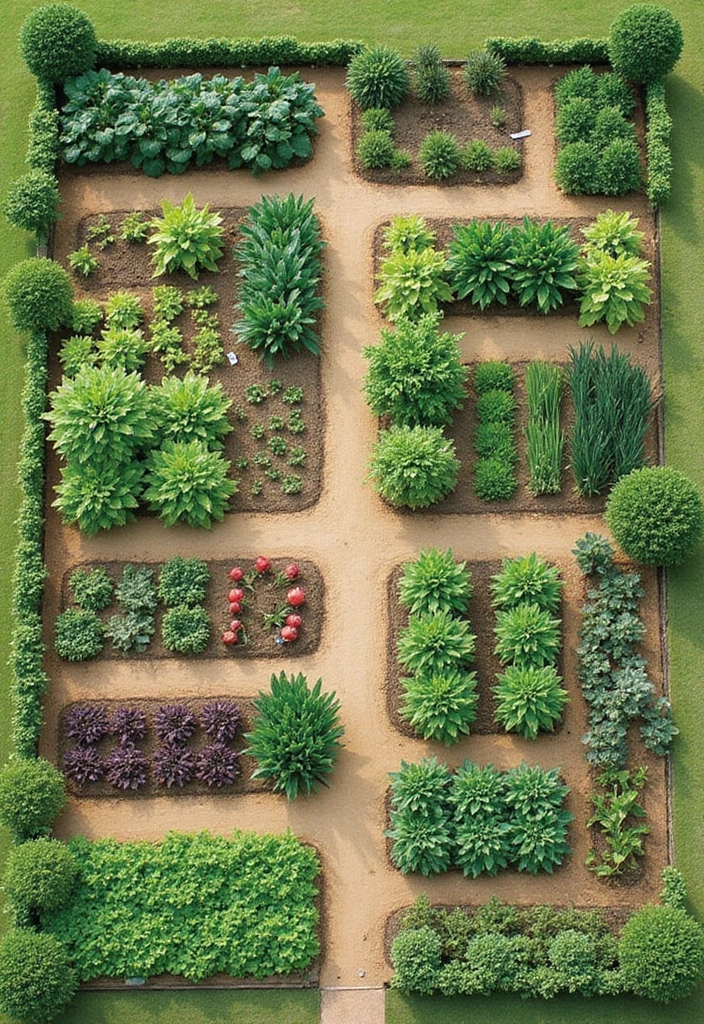
Crop rotation is an ancient gardening technique that keeps your soil healthy and minimizes pests. By changing the types of plants grown in a specific area each year, you can prevent soil depletion and reduce disease.
– **Benefits**: Different plants have varying nutrient needs; rotating crops helps balance soil nutrients. To ensure you’re meeting those nutrient needs, consider using a soil test kit. This handy tool accurately measures soil pH and nutrient levels, allowing you to tailor your crop rotation effectively.
– **Pest Control**: Rotating crops can disrupt pest life cycles, lowering infestations. This means fewer pests to worry about, giving your plants a fighting chance.
– **Soil Fertility**: Legumes are particularly beneficial as they fix nitrogen in the soil, benefiting future crops. To optimize your garden layout with rotation in mind, you might find the garden crop rotation planner useful. It helps you organize which crops to plant each season for maximum soil health.
Plan your garden layout with rotation in mind, and your plants will thrive while garden pests will be less likely to set up camp!
6. Embrace Cover Crops
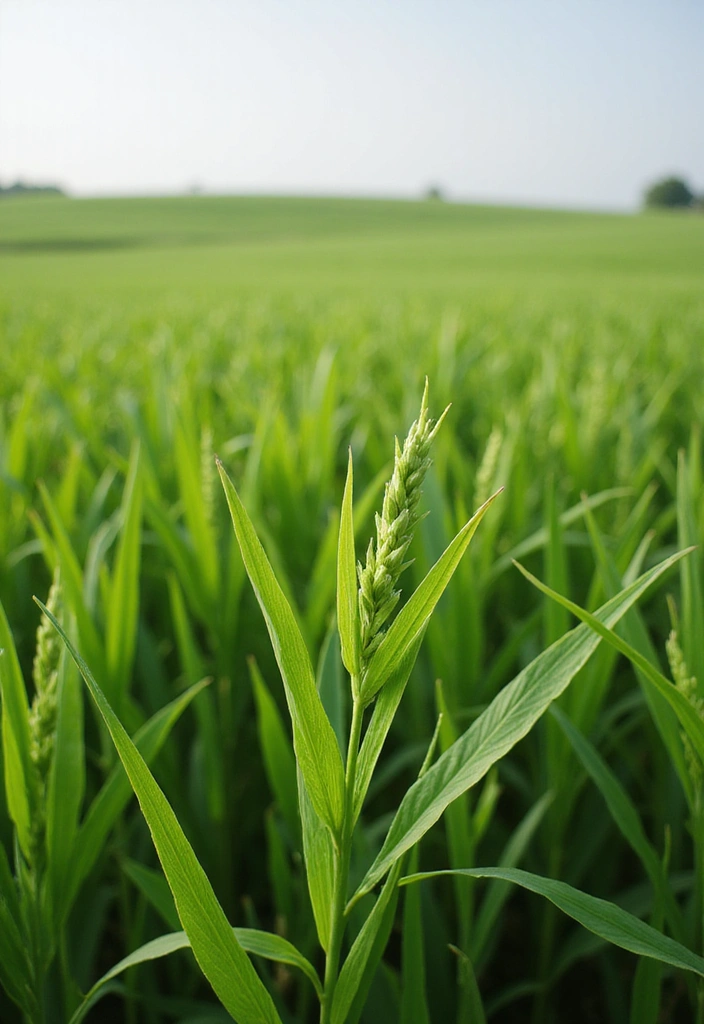
Cover crops are like a cozy blanket for your soil, protecting it through the off-season. These crops, such as clover or rye, prevent erosion, suppress weeds, and add nutrients back into the soil when tilled under.
– Benefits: They improve soil structure and fertility.
– Erosion Control: Helps to prevent soil loss during heavy rains.
– Nitrogen Fixation: Leguminous cover crops can enhance nitrogen levels.
Incorporating cover crops into your gardening routine can make a significant difference in soil health, ensuring your garden is ready to flourish when the growing season comes around! To get started, consider using organic cover crop seeds (clover, rye, etc.). This mix, which includes a blend of clover, hairy vetch, and other beneficial plants, will help build a robust, nutrient-rich environment for your garden.
Additionally, it’s important to understand the existing conditions of your soil before adding cover crops. A soil test kit can provide valuable insights into the pH and nutrient levels of your soil, allowing you to choose the most effective cover crops for your specific needs. By taking these proactive steps, you can enhance your soil’s health and prepare it for a successful growing season!
7. You Won’t Believe #7!
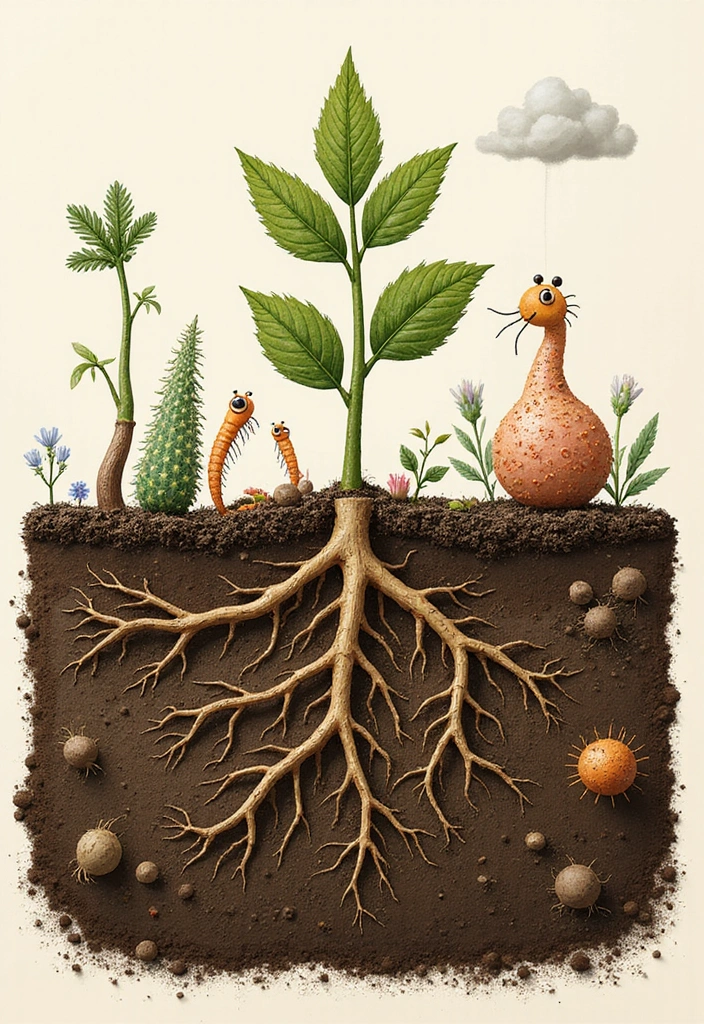
Soil can communicate with plants in ways you might not expect!
Did you know that plants can release exudates into the soil that signal microorganisms? This relationship enhances nutrient uptake and soil health. To take advantage of these natural processes, consider using products that support these interactions.
– **Mycorrhizal Fungi**: These fungi form symbiotic relationships with plants, extending their root systems and improving nutrient absorption. A great option is Xtreme Gardening Mykos Pure Mycorrhizal Inoculant Organic Root Enhancer. By adding this product, you can boost the beneficial fungi population in your soil, leading to stronger and more nutrient-efficient plants.
– **Bacteria**: Beneficial bacteria help break down organic matter, making nutrients available. For an easy way to enhance your soil’s bacterial diversity, try Aquascape Beneficial Bacteria Concentrate. This product can improve soil health by introducing helpful microorganisms that support plant growth.
– **Plant-to-Plant Communication**: Plants can even warn each other about pests through chemical signals in the soil! To create a thriving ecosystem, it’s essential to enrich your garden with organic matter. A great choice for this is 40 Pound Garden Magic Compost and Manure. This compost not only adds nutrients but also promotes beneficial microbial life in the soil.
Understanding these interactions and utilizing the right products can empower you to create a more thriving ecosystem in your garden, leading to robust growth and resilience!
8. Mind the pH Levels
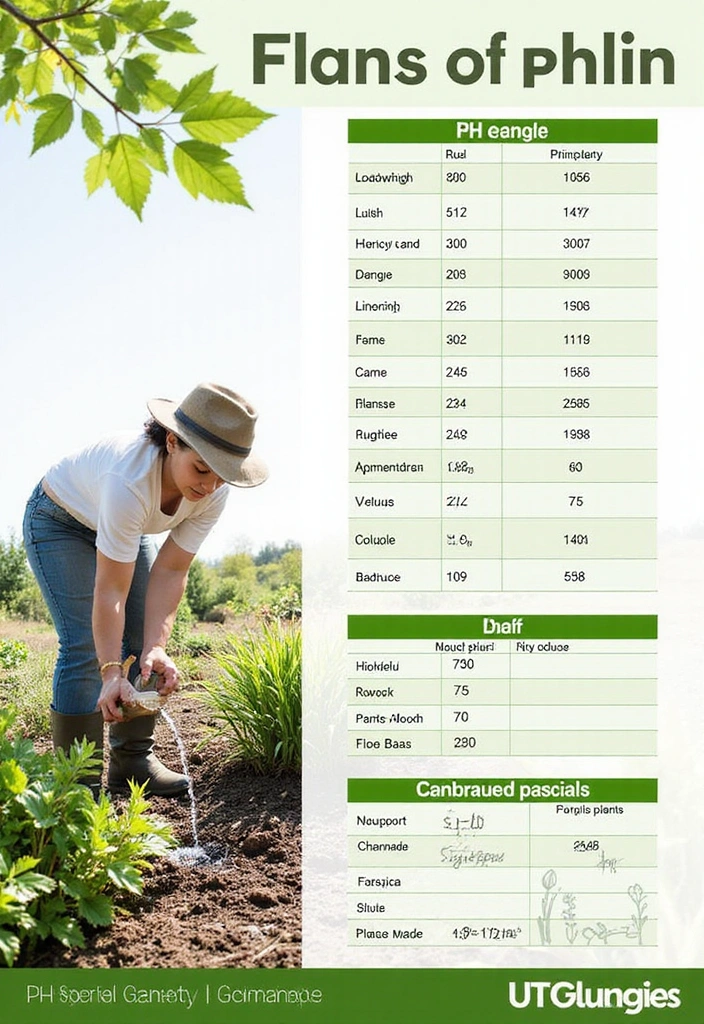
pH levels can seem like a daunting topic, but they’re crucial for soil health! Most plants thrive in slightly acidic to neutral soil (pH 6.0 to 7.0). If your soil is too acidic or alkaline, it can limit nutrient availability.
To get started, consider using a soil pH test kit. Regular tests will help you determine the pH level of your soil, ensuring you know exactly where you stand.
If you find that your soil’s pH needs adjusting, amendments can make all the difference. For raising pH, Espoma Organic Garden Lime is an excellent choice. This product not only raises soil pH but can also help turn hydrangeas pink, making it a versatile addition to your garden.
On the other hand, if your soil is too alkaline, using prilled sulfur can effectively lower the pH. This organic fertilizer enhances plant growth, making it suitable for flowers, vegetables, and herbs.
Finally, when selecting plants, choose those that suit your soil’s pH. Keeping tabs on pH can make a world of difference in your garden’s success. A balanced soil means happy plants!
9. Utilize Worms for Healthier Soil
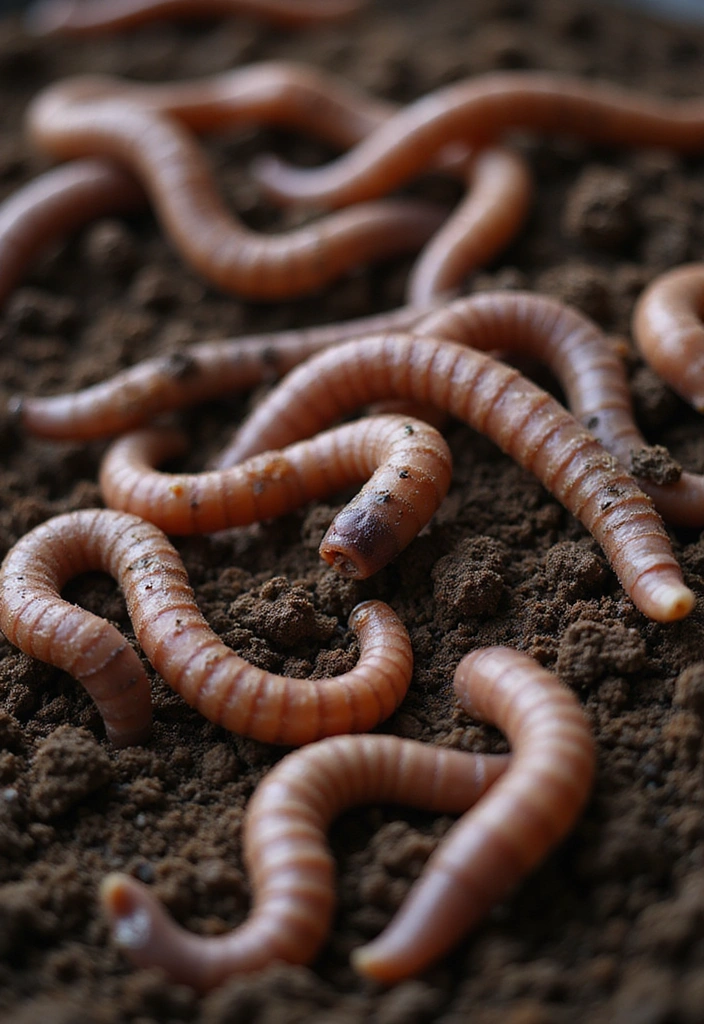
Worms are the unsung heroes of your garden! They aerate the soil, improve drainage, and turn organic waste into nutrient-rich castings. One fantastic way to kickstart your gardening journey is by getting some Red Wiggler Composting Worms. These lively little creatures are perfect for indoor composting and help create liquid gold for your garden.
Worm tunnels are nature’s way of enhancing air and water movement through the soil, making it easier for your plants to thrive. To ensure you have the right environment for your worms, consider investing in a worm compost bin. This sustainable design works well for both indoor and outdoor spaces, making it a great addition to your gardening toolkit.
When it comes to feeding your plants, worm castings are a slow-release source of nutrients. You can boost your soil fertility and aeration with organic worm castings fertilizer, which is OMRI-listed and mineral-dense, perfect for houseplants, vegetables, and gardens.
Encouraging a healthy worm population in your garden can lead to lush vegetation and improved soil structure. So, let those worms wiggle their magic!
10. Mulch Like a Pro
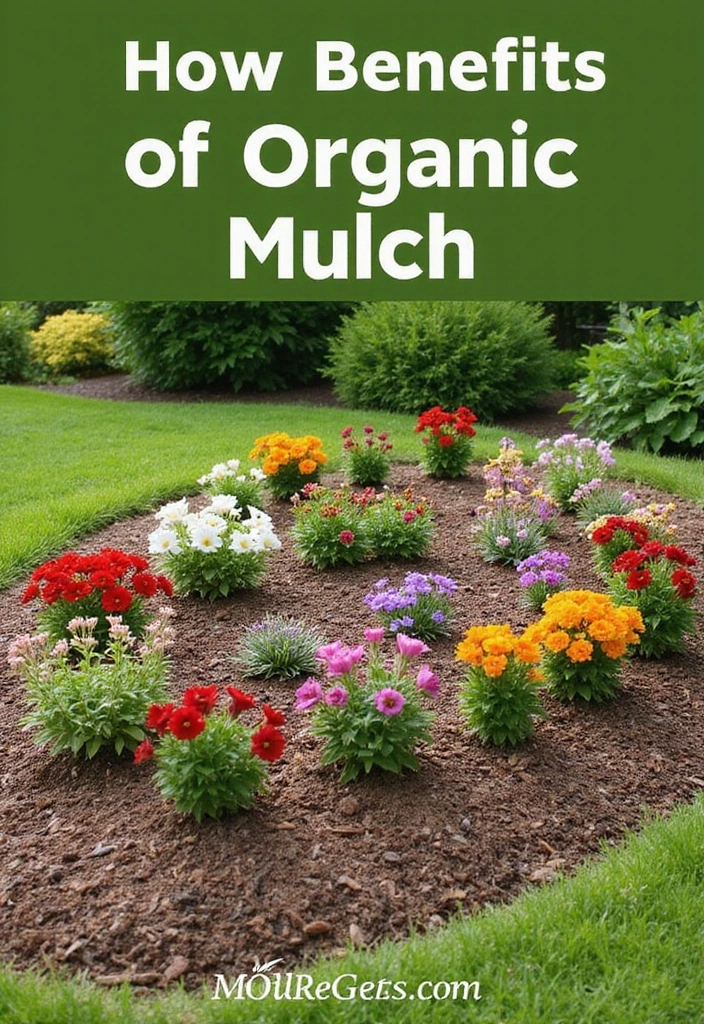
Mulching isn’t just for looks—it’s a powerhouse for soil health!
Applying mulch around your plants yields numerous benefits such as moisture retention, temperature regulation, and weed suppression. Using products like GardenStraw, 3 cu ft (1 Pack) All-Natural Mulch provides a water-conserving and weed-suppressing option that is sustainably sourced and thoroughly cleaned. This organic mulch made from wheat straw enhances your soil as it breaks down, enriching it over time.
When layering your mulch, aim for a 2-3 inch depth for optimal benefits without suffocating your plants. Another great choice is 100% Natural Cedar Shavings, which not only looks great but also works well for both outdoor gardens and indoor potted plants. The natural properties of cedar help repel pests while adding a fragrant touch to your gardening space.
Remember to keep your mulch clean. Avoid laying it too close to plant stems to prevent rot. For a different texture, consider SuperMoss Coco Mulch. This shredded leaves mulch is perfect for maintaining soil moisture and is made from natural materials that support healthy plant growth.
With these proper mulching techniques and the right products, your soil will be primed for plant growth, and weeds will stand no chance!
11. Avoid Over-Tilling
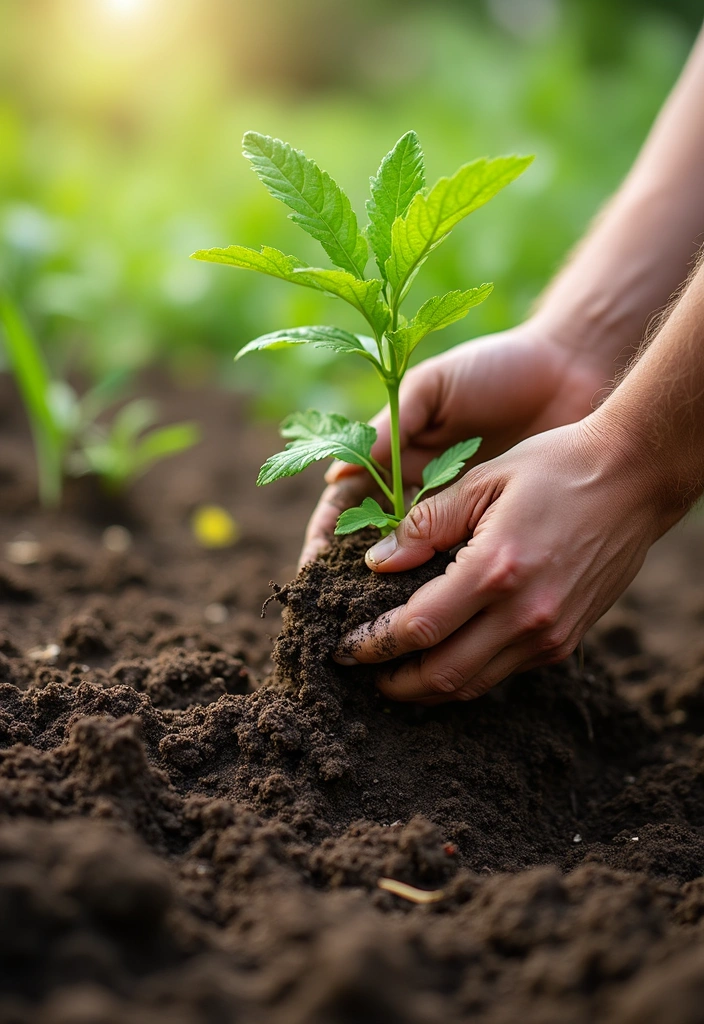
Over-tilling can harm your soil more than you’d think! This practice can lead to compaction, destruction of beneficial microorganisms, and nutrient loss.
To foster a healthier ecosystem beneath the surface, consider adopting these practices:
– **Minimal disturbance**: Try no-till or low-till gardening methods to maintain soil structure. A great way to get started is with a no-till gardening kit, which includes essential tools like pruning shears and a weeder, perfect for gentle soil management.
– **Use cover crops**: Instead of tilling, plant cover crops to add organic matter and protect the soil. You can enhance your garden’s health with cover crop seeds, which include a robust blend of hairy vetch and daikon radish, among others, to enrich your soil naturally.
– **Plant deep roots**: Choose plants with deep root systems to naturally aerate and enrich the soil. For digging deep, the Radius Garden root slayer shovel makes it easy to plant those deeper-rooted varieties, ensuring they thrive and contribute to soil health.
By reducing tilling and incorporating these strategies, you’ll bring life back to your garden!
12. Learn About Soil Compaction

Soil compaction is the nemesis of healthy roots!
When soil becomes compacted, it restricts root growth, reduces aeration, and inhibits water absorption.
– Signs of compaction: Look for poor drainage, stunted growth, and a hard surface.
– Prevention techniques: Avoid walking on wet soil and use designated paths in your garden.
To tackle compaction effectively, consider using tools like a garden fork. This handy tool features a sturdy 4-tine design that can easily break up compacted soil, allowing roots to penetrate deeper and access essential nutrients and moisture.
Alternatively, you might find the lawn aerator particularly useful. With its 15 iron spikes, this manual tool can help alleviate compaction in larger areas. By relieving compaction, it enhances aeration and promotes a healthy lawn and garden.
Being mindful of soil compaction can lead to a thriving garden ecosystem where roots can stretch and flourish!
13. Water Wisely
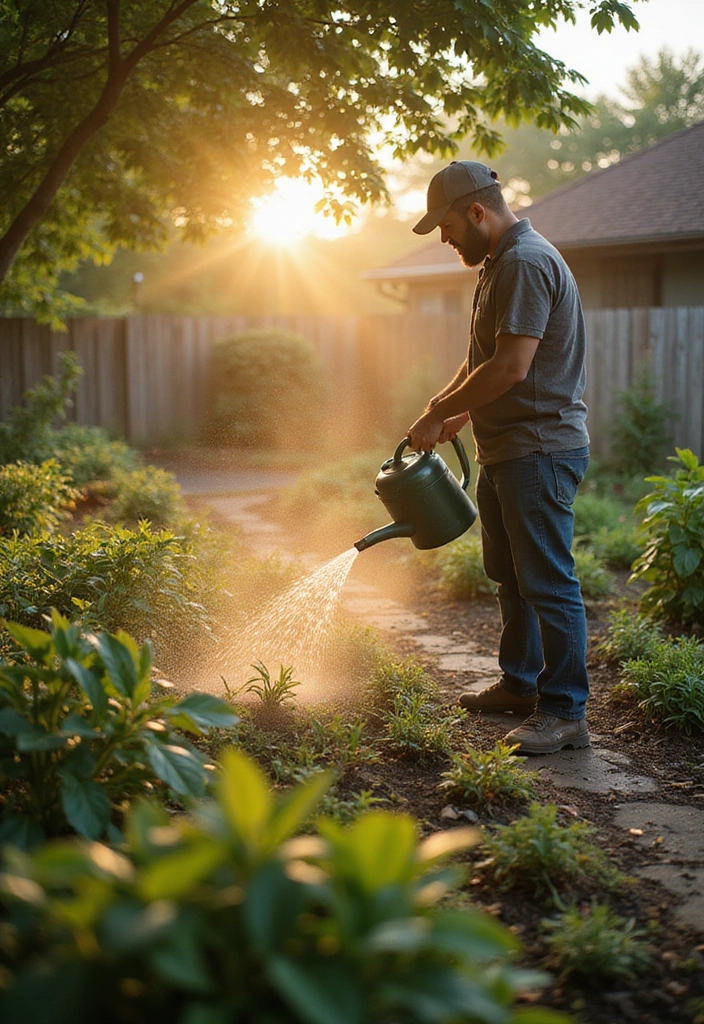
Watering isn’t just about quantity—it’s about quality too! The time of day, method, and amount can have significant effects on soil health.
– **Deep watering**: Encouraging deep root growth is vital, so aim to water deeply but less frequently. A great way to achieve this is by using a soaker hose. This efficient hose allows water to seep directly into the soil, ensuring moisture reaches deep roots while saving up to 80% water.
– **Morning routine**: Watering in the morning not only reduces evaporation but also helps to prevent fungal diseases. By adopting this habit, you can promote healthier plants and enhance your garden’s resilience.
– **Rainwater collection**: Harvesting rainwater is eco-friendly and beneficial for plants. You can easily set up a rain barrel to collect and store rainwater. Made from 100% recycled plastic, it’s a sustainable choice that supports your garden beautifully.
Consider your watering habits carefully; the right approach can enhance soil structure and plant health. To ensure you are providing the right amount of water, a moisture meter can be an invaluable tool. This handy device will help you monitor soil moisture levels, ensuring your plants receive the optimal care they need.
14. Seek Professional Help When Needed
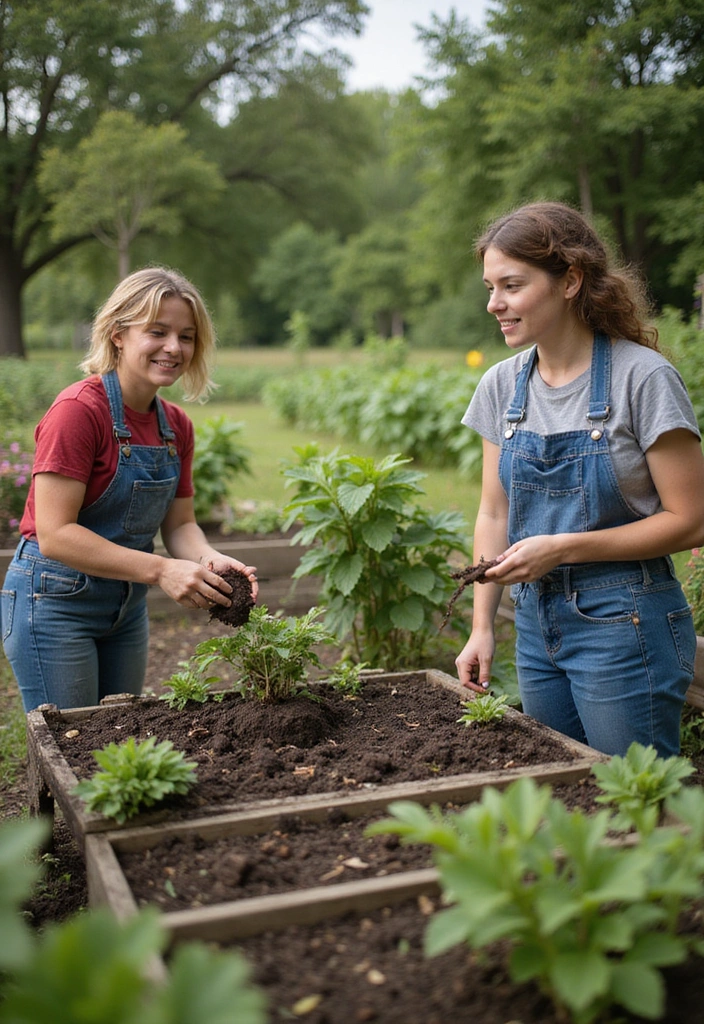
Sometimes, despite your best efforts, soil issues can arise! Don’t hesitate to consult a soil health professional or extension service for advice tailored to your unique garden.
One of the first steps you can take is to evaluate your soil with a soil test kit. This kit allows you to quickly and accurately measure soil pH and nutrients, providing insights that can guide your next steps.
If your soil needs enriching, consider using organic soil amendments. This liquid compost soil amendment is perfect for boosting soil health and is great for seasonal applications, helping to revitalize your garden.
Should you run into pest problems or diseases, getting expert help can be invaluable. You might also find that a solution like gardening pest control spray can be an effective natural option for keeping those pesky insects at bay.
Additionally, many local gardens or universities offer workshops on soil health practices where you can learn more. Seeking professional advice can provide clarity and set you on the path to a flourishing garden!
15. Share Your Soil Stories
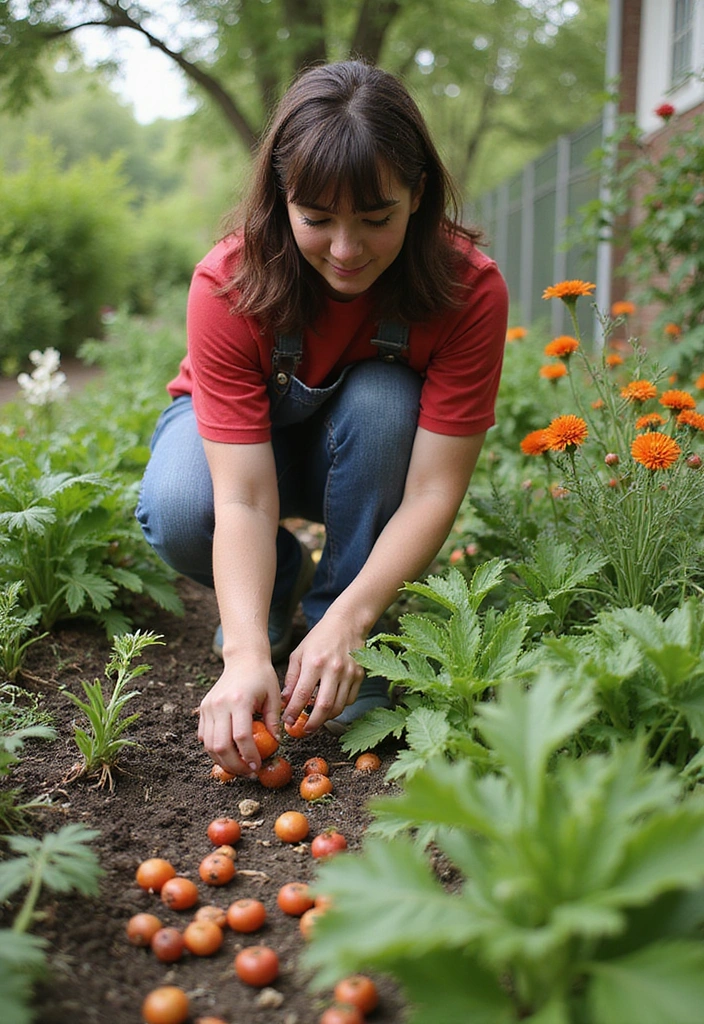
### 15. Share Your Soil Stories
Your gardening journey is unique, and sharing it can inspire others! Whether it’s a struggle with soil health or a triumphant veggie harvest, your experiences can make a difference.
– **Connect**: Join local gardening clubs or online forums to exchange tips and stories. Sharing your insights can help others navigate their own gardening challenges.
– **Create a Blog**: Document your gardening ventures and highlight how soil health plays a role in your successes. Consider using a gardening journal like the Clever Fox Gardener’s Journal to keep track of your planting and harvesting experiences. This can help you organize your thoughts and provide valuable content for your blog.
– **Social Media**: Share photos and insights to build a community around gardening and soil health. You might even want to post about your results using a soil test kit to show how you analyzed and improved your soil.
Additionally, if you’re looking for a way to recycle food waste and enrich your soil, consider using an indoor compost bin. This can help you create nutrient-rich compost that boosts your soil health.
Sharing your soil stories not only helps others but also enriches your gardening experience!
Conclusion

Soil health is the backbone of your garden, influencing everything from growth to vitality.
By incorporating these 15 secrets into your gardening routine, you set the stage for a flourishing landscape filled with healthy plants.
Now that you’re armed with this knowledge, roll up your sleeves, get your hands dirty, and watch your garden thrive!
Note: We aim to provide accurate product links, but some may occasionally expire or become unavailable. If this happens, please search directly on Amazon for the product or a suitable alternative.
This post contains Amazon affiliate links, meaning I may earn a small commission if you purchase through my links, at no extra cost to you.