
In an unpredictable world, having a well-stocked survival food supply can make all the difference.
From natural disasters to unexpected emergencies, preparing yourself with the right food can not only sustain you but also provide peace of mind.
In this guide, we’ll share ten essential steps to create a survival food stockpile that suits your needs and preferences.
You’ll learn what types of food to include, how to store them for longevity, and tips to maximize your emergency preparedness efforts.
Contents
- Step 1: Assess Your Needs and Resources
- Step 2: Choose Non-Perishable Foods
- Step 3: Diversify Your Supply
- Step 4: Properly Store Your Supplies
- Step 5: Plan Your Meals
- Step 6: Keep Track of Expiration Dates
- Step 7: Educate Yourself on Food Preparation
- Step 8: Include Comfort Foods
- Step 9: Share Responsibility
- Step 10: Stay Informed
Step 1: Assess Your Needs and Resources
The first step in building your ultimate survival food supply is to assess your family’s needs and your available resources.
Consider your dietary preferences, any allergies, and the number of people you’ll need to feed. Think about your storage capabilities as well, such as pantry space, cool areas for perishables, and the option for long-term storage like a basement or garage.
Here are some key points to keep in mind:
– Family Size: Determine how many meals and snacks are necessary to sustain your household during an emergency.
– Dietary Needs: Make sure to account for special diets (gluten-free, vegetarian, etc.).
– Storage Solutions: Note your available space and consider using airtight food storage containers to maximize freshness. These containers help keep your food safe from moisture and pests, ensuring that your stockpile remains viable for longer.
Understanding these factors shapes your planning and ensures you create a stockpile that’s not just abundant, but also practical and efficient.
When starting your assessment, ask yourself these questions for clarity:
– What are our daily food consumption patterns?
– How long do we want to be self-sufficient?
– What storage solutions do I currently have, and what do I need to acquire?
For long-term food supply, consider options like the emergency food supply kit. This kit offers 200 servings of dehydrated meals that are easily prepared by just adding water. It’s an excellent choice for prepping and ensures you have nutritious meals ready in case of an emergency.
A thorough assessment allows you to make informed decisions while curating a varied survival food stockpile.
Step 2: Choose Non-Perishable Foods
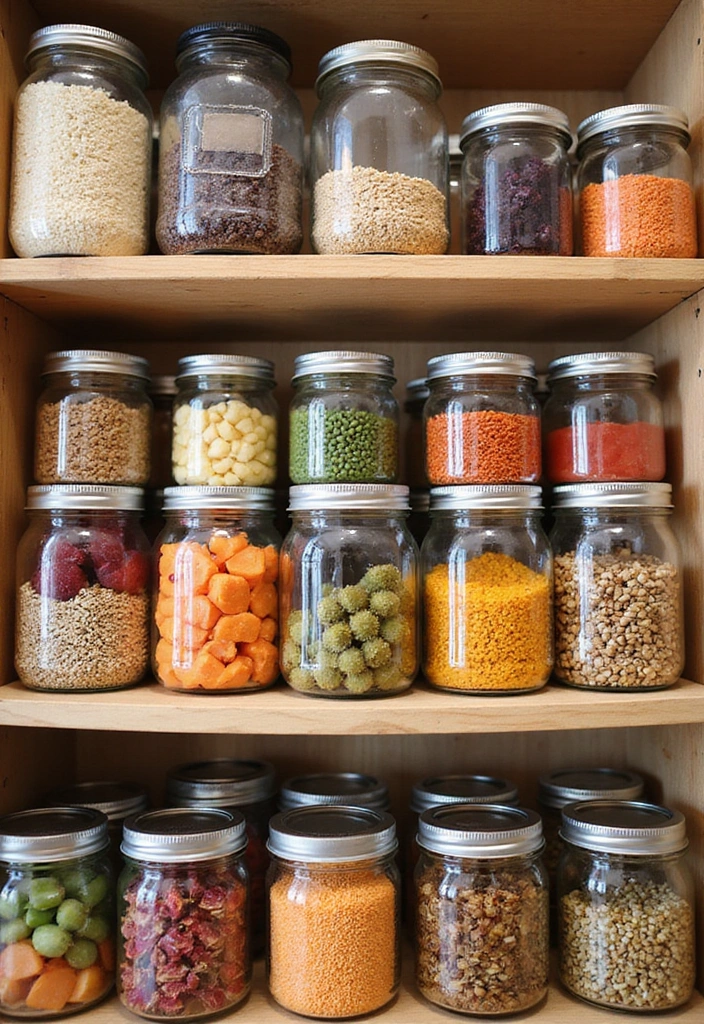
When it comes to building your survival food supply, prioritizing non-perishable foods is essential. These items can last for months, even years, without refrigeration, making them perfect for storage.
Key options include:
– **Canned goods**: Products like DEL MONTE FRESH CUT BLUE LAKE cut green beans canned vegetables are a great choice. They come in a convenient pack of 12, ensuring you have plenty on hand. Canned vegetables, meats, beans, and soups have an impressive shelf life and provide essential nutrients for balanced meals.
– **Grains**: Stocking up on staples such as rice, oats, quinoa, and pasta is vital as they form the base of any meal and offer versatility in your cooking.
– **Dried fruits and nuts**: Consider options like the Flora dried fruit and nut tray. This bulk pack provides essential nutrients and healthy snacks, and its long shelf life makes it perfect for your supply.
– **Freeze-dried meals**: Items such as the Mountain House expedition bucket are especially great for camping and hiking but can also be incorporated into your home stockpile. With 30 servings, it’s an excellent way to ensure you have easy-to-prepare meals when you need them.
Aim for a variety of items to ensure you can create balanced meals. Include options for breakfast, lunch, dinner, and snacks to keep morale high during tough times.
Consider rotating your supplies regularly to keep everything fresh. A good rule of thumb is to use the FIFO method—first in, first out—to minimize waste.
Lastly, always check expiration dates and replace items as needed to ensure your stockpile remains reliable when you need it the most.
Step 3: Diversify Your Supply
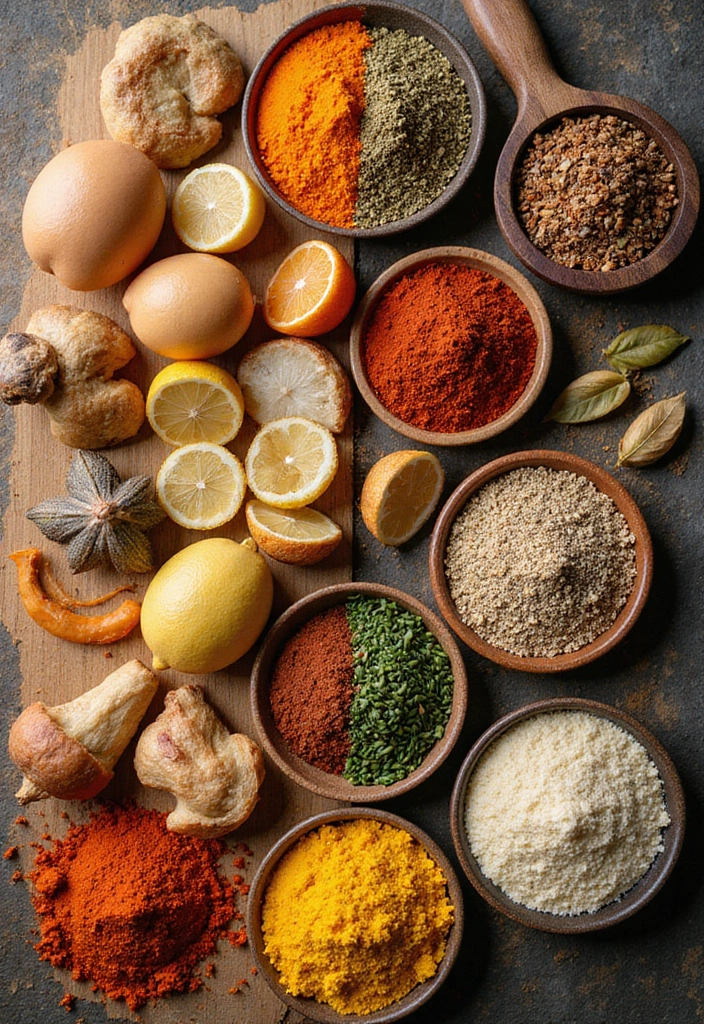
Diversity in your survival food supply keeps things interesting and helps ensure nutritional balance. You don’t want to be stuck eating the same bland meals day after day! Here are some strategies to diversify:
– **Include variety**: From protein sources like beans and canned fish to grains, aim for a broad spectrum of nutrients. Consider incorporating Freeze-Dried Meal Kits like the Lunch and Dinner Variety Pail Emergency Food Supply, which offers a range of meals in one convenient package, keeping your menu exciting.
– **Incorporate different flavors**: Stock up on various spices and condiments to liven up your meals. The Variety Spice Set, featuring a 24-piece organic spice rack, is perfect for adding zest to your cooking and transforming simple dishes into flavorful experiences.
– **Experiment with meal kits**: Adding freeze-dried meal kits, like the ones mentioned above, can make meal preparation easier and more enjoyable, especially when time is of the essence.
Remember, the goal is not just sustenance but also maintaining morale during emergencies. While the basics are crucial, having a few treats can be uplifting! Incorporating snacks like assorted dried fruits can provide a nutritious and sweet boost, perfect for keeping spirits high.
Keep in mind that while focusing on variety, balance is key. Aim for a mix of carbohydrates, proteins, and fats to stay nourished and energized. Regularly review your supply and replace items that are used up to maintain that diversity. Incorporate seasonal specialties when possible to keep your stocks lively.
Step 4: Properly Store Your Supplies
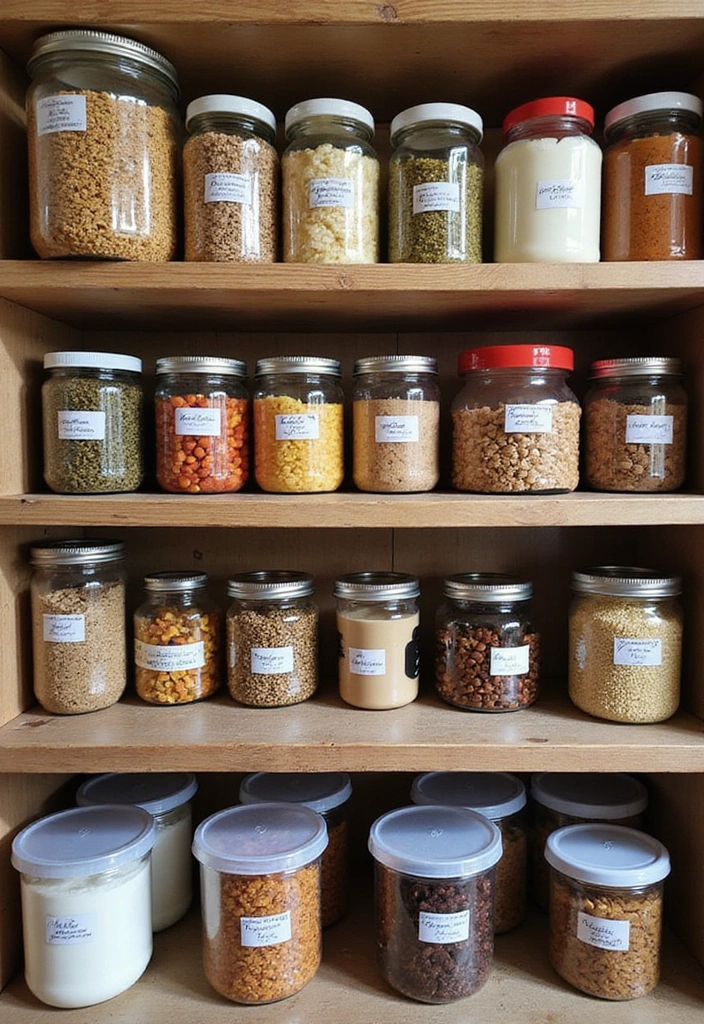
How you store your survival food supply can significantly impact its longevity and quality. Proper storage is key to preventing spoilage and wastage. Here are some tips to ensure your food stays fresh:
– **Choose the right containers**: Airtight containers help keep moisture and pests out. Consider using airtight food storage containers, which are made of BPA-free plastic and come with 24 labels for easy organization. These containers are excellent choices for keeping your food secure.
– **Control temperature and humidity**: Store your supplies in a cool, dry place away from sunlight. A basement or a dark closet works well. To help manage humidity levels, you might want to invest in humidity and temperature control packs. These packs are designed to absorb excess moisture, ensuring your food stays fresh and free of mold.
– **Rotate your stock**: Use the FIFO (First In, First Out) method to ensure older items are used before newer supplies. Labeling your containers with dates is essential for monitoring freshness, and for that, a labeling system for food storage can be incredibly helpful. These removable freezer labels leave no residue, making it easy to track when you need to use each item.
Additionally, invest in storage solutions such as shelving units or bins to keep your food organized. Having an easy-to-access system maximizes efficiency and minimizes any chance of panic in an emergency.
Lastly, remember to check your supplies seasonally. This keeps you in tune with what’s available and ensures your stockpile remains intact and ready for use.
Step 5: Plan Your Meals
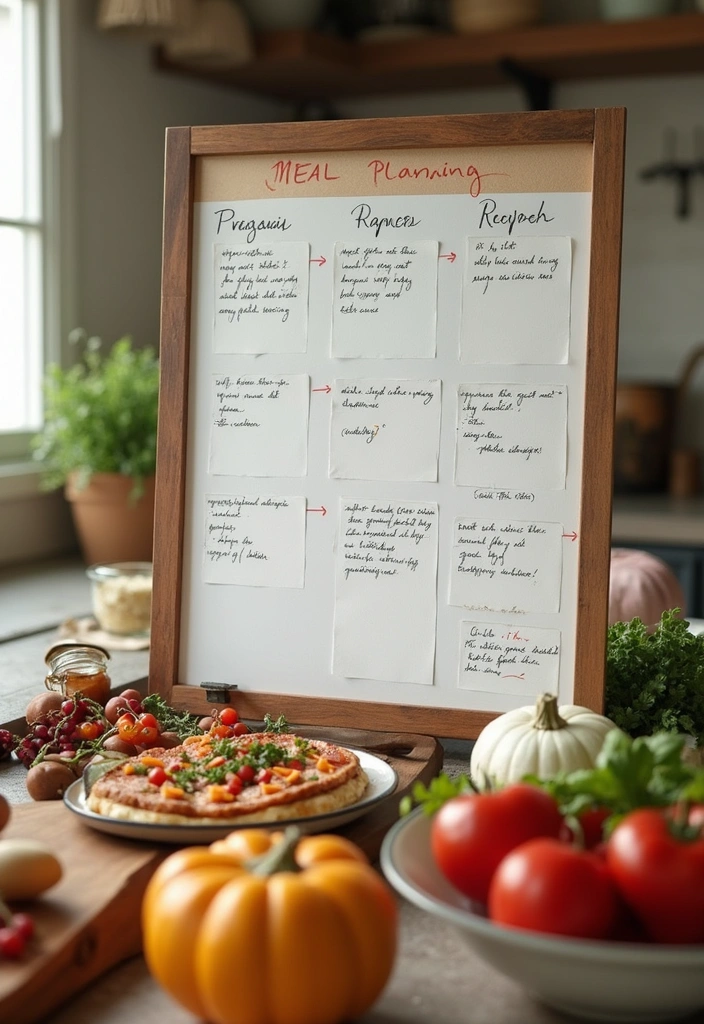
Planning meals from your survival food supply is a vital step in ensuring you can make the most of your stockpile. Here are a few tips to help you get started:
– **Create meal ideas:** Write down several meal ideas that can be created from your stored items. For example, consider a hearty soup with canned beans and vegetables or a rice dish with dried spices. To help keep your meal planning organized, you might find it helpful to use a Meal Planning Notepad. This wall-mountable planner allows you to list meals and grocery items, making it easier to visualize your options.
– **Balance nutrients:** Ensure your meals include appropriate portions of carbs, proteins, and fats to support your health. As you plan, think about how you can incorporate various supplies to maintain this balance.
– **Ease of preparation:** Prioritize easy-to-make meals that require minimal cooking, especially if resources are limited. Having a reliable cooking solution, like the Multi-Functional Camping Stove, can make meal preparation much easier during emergencies or when traditional cooking methods aren’t available.
To kickstart your meal planning, consider creating a simple weekly menu based on your supplies. This not only makes mealtimes less stressful but also optimizes the use of your stockpile.
Always revisit your meal plan as your supplies change and ensure you have ingredients that can be made into several different dishes to avoid boredom. A good meal plan can also help you track your food consumption effectively.
If you’re looking for a comprehensive solution to your food supply needs, you might also consider the Emergency Food Supply Kit. With 200 servings of dehydrated meals, it’s an excellent addition to your stockpile, ensuring you have a variety of options on hand.
By planning your meals thoughtfully, you can enjoy nutritious and satisfying dishes, even in challenging situations.
Step 6: Keep Track of Expiration Dates
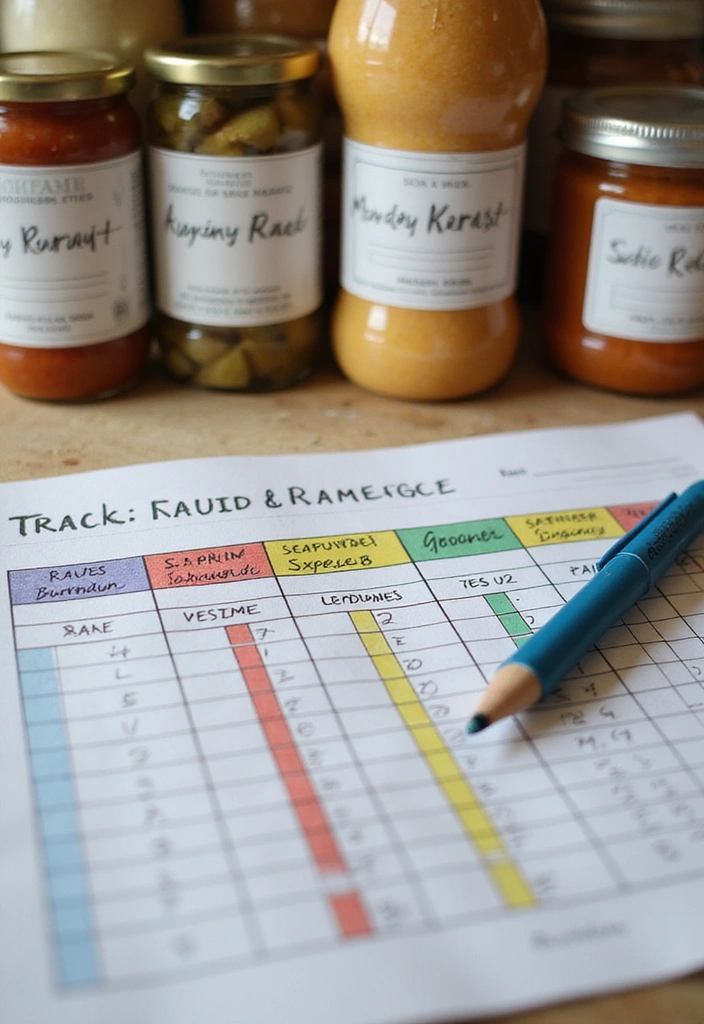
Monitoring expiration dates is critical to maintaining a viable survival food supply. There’s nothing worse than opening a can only to discover it’s past its prime! Here’s how to keep on top of your supplies:
– **Create a Tracking System**: A great way to log expiration dates for each item is by using a simple notebook like this notebook for tracking supplies. It can help you systematically record and manage your inventory.
– **Label Containers**: Clearly marking the purchase date and expiration date on all containers is essential. You can enhance this process by using food storage labels that are removable and easy to clean, ensuring your containers are always identifiable and organized.
– **Regularly Review Your Stock**: Set a schedule to check your supplies every few months. This will help you stay on top of what needs to be consumed soon. Consider employing a color-coding system for items based on their expiration timeline. For example, use color-coded labeling system stickers to mark items: red for those expiring soon, yellow for those with a little time left, and green for long-lasting supplies.
By keeping track with these tools, you’ll ensure that your emergency food supplies are always safe and ready for use whenever you might need them.
Step 7: Educate Yourself on Food Preparation
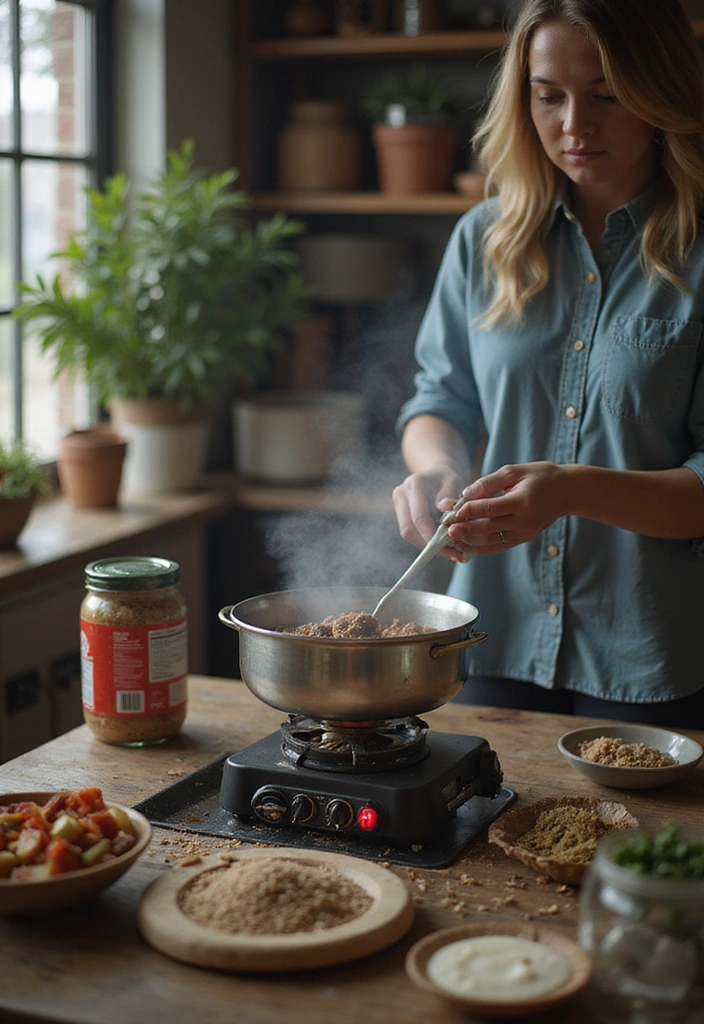
Having a stockpile is only part of the equation; knowing how to prepare your emergency food is equally crucial.
Invest time in learning various cooking techniques that apply to your supplies. Here are some ideas to get started:
– **Learn to cook without power**: Familiarize yourself with how to cook using alternative methods, such as a Camping Stove. This dual fuel stove can be a lifesaver during power outages, providing you with the ability to prepare meals wherever you are.
– **Experiment with recipes**: Practice cooking with your survival ingredients ahead of time so you feel confident in an emergency. Using your supplies creatively can boost your morale and preparedness.
– **Preserving techniques**: Explore how to dehydrate or can items yourself to extend the life of fresh produce. A Dehydrator can be a great investment for making jerky or preserving fruits and vegetables, ensuring you have nutritious snacks on hand. Additionally, consider a Canning Kit which includes everything you need to start canning your own food, allowing you to enjoy home-cooked meals even after fresh ingredients are no longer available.
Consider taking a community class or watching tutorials online that focus on cooking with limited resources. This investment in knowledge will serve you well when the time comes to rely on your survival food supply.
Lastly, don’t forget to enjoy the cooking process! Making meals can be an opportunity to bond with family and friends, even in tough situations.
Step 8: Include Comfort Foods

When times are tough, comfort foods can significantly boost morale. Including items that bring happiness and nostalgia in your survival food supply is essential. Here’s how to do it:
– **Select favorite snacks**: Think of items like Nature Valley Crunchy Granola Bars, Value Pack. These granola bars not only provide a delicious and satisfying crunch but are also easy to store and have a long shelf life, making them perfect for your survival kit.
– **Include quick meal options**: Ready-to-eat meals or Maruchan Instant Lunch Chicken Flavor can provide a sense of normalcy amid chaos. These instant noodle packages are quick to prepare and can be a comforting, warm meal when you need it most.
– **Treats and desserts**: Small indulgences like Ferrero Rocher, 16 Count chocolates can uplift spirits in challenging times. The rich milk chocolate and crunchy hazelnut filling can create a moment of joy, helping to soothe stress and anxiety.
Having comfort food not only satisfies your cravings but can also significantly improve mental health during stressful situations. A little sweetness in tough times goes a long way! Don’t underestimate the positive power of food to create a sense of home and well-being, even in less-than-ideal circumstances.
Step 9: Share Responsibility
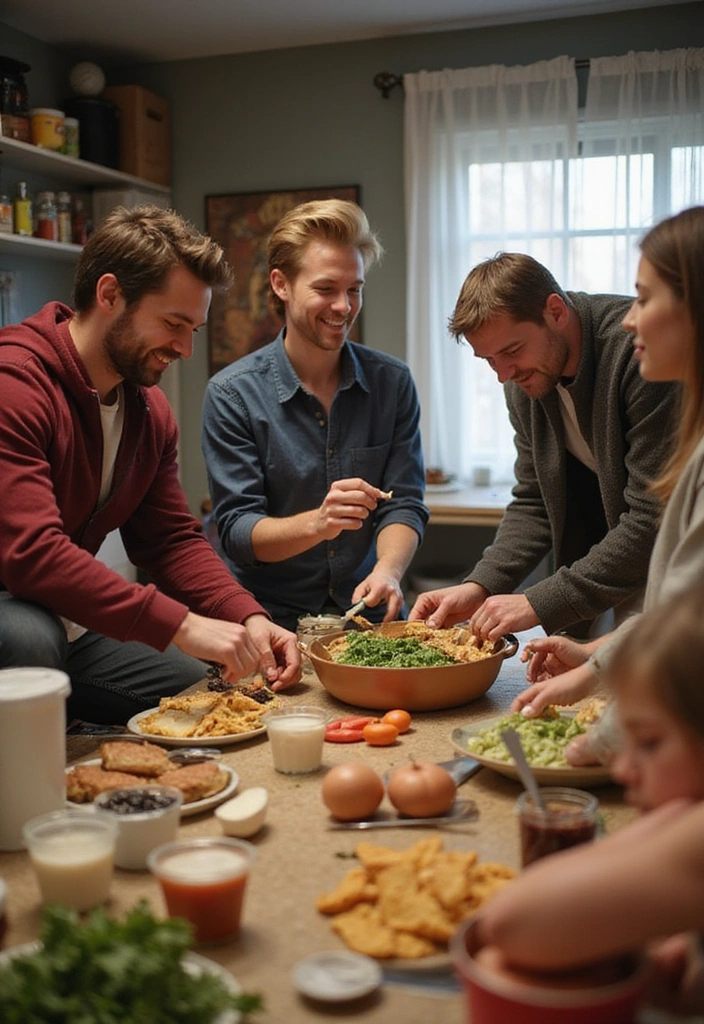
Building a survival food supply can be a team effort, and sharing the responsibility can make the task less daunting.
Involve family members or friends in the process by:
– **Delegating Tasks**: Assign different responsibilities, such as shopping, organizing, and meal planning. For instance, one person can focus on acquiring an Emergency Food Supply Kit, which contains dehydrated meals with a long shelf life—just add water for easy preparation.
– **Group Purchases**: Buying in bulk with others can save money and ensure a greater variety of supplies. Consider investing in Food Storage Containers—these reusable containers are perfect for organizing and storing meals, making it easier to share your food supply among the group.
– **Share Knowledge**: Exchange tips and resources on meal prep and storage techniques. A useful resource could be the Meal Prep Cookbook, which offers over 100 make-ahead recipes and quick-assembly meals that you can all try together.
When everyone contributes, it not only lightens the load but also fosters a sense of community and preparedness. Plus, it makes the whole experience more enjoyable and less stressful. Teaming up can turn a daunting task into a fun bonding experience!
Ultimately, the goal is to ensure everyone is well-prepared, comfortable, and confident in emergencies.
Step 10: Stay Informed

The final step in building your ultimate survival food supply is staying informed about food trends, emergency preparedness advice, and community resources.
Here are some strategies for staying updated:
– **Follow trusted sources**: Keep an eye on reputable websites, blogs, and social media accounts dedicated to emergency preparedness and food storage. For instance, consider investing in the Emergency Food Supply Kit. This kit contains 200 servings of dehydrated meals that only require water to prepare, making it an excellent resource for understanding food storage and meal planning during emergencies.
– **Join community groups**: Participate in forums or local preparedness groups to exchange ideas and resources. Being part of these communities can expand your knowledge and introduce you to valuable products like the Food Preservation Guidebook. This guidebook offers economic benefits, safety guidelines, and delicious recipes that can enhance your food storage skills.
– **Attend workshops**: Consider attending workshops or webinars centered around survival skills and food preservation. If you’re looking to boost your water supply and filtration knowledge, the Water Filtration System is a key tool. This system not only provides clean, drinkable water but also teaches the importance of water quality in emergency situations.
Being proactive about learning not only enhances your preparedness but also broadens your knowledge and confidence.
As our world continues to change, being adaptable and informed is key to ensuring you have the best supplies suited for your needs.
Conclusion
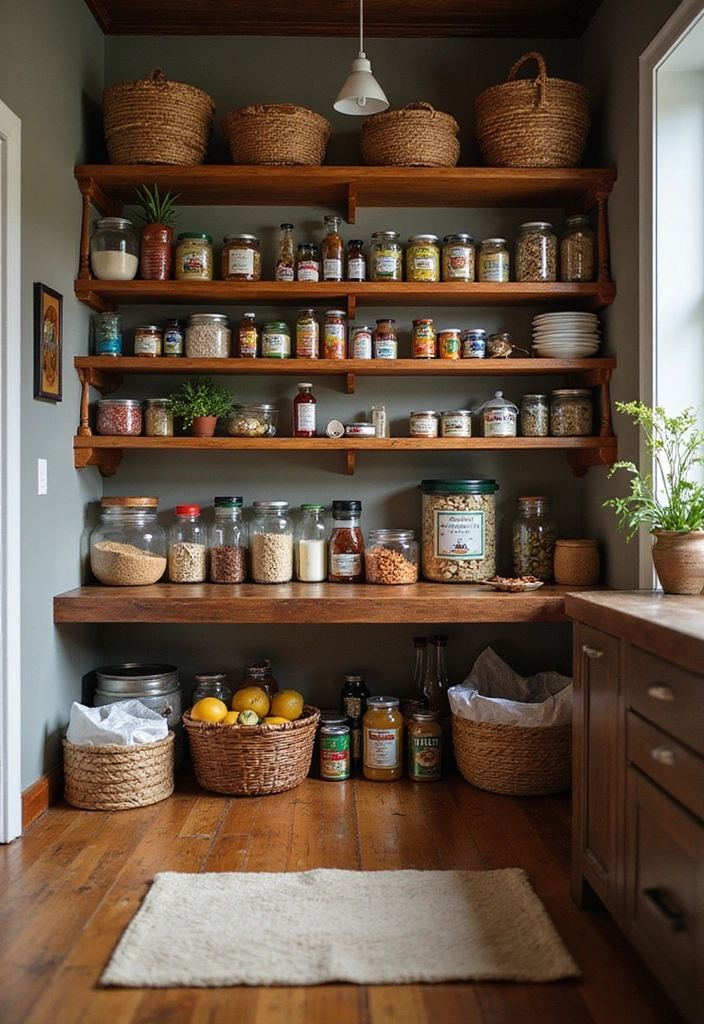
Creating a survival food supply is an empowering step toward being prepared for emergencies.
By following these essential steps, you’ll be well on your way to ensuring you have a reliable stockpile that meets your needs.
Stay proactive and make adjustments as needed, ensuring your supplies stay up-to-date and relevant. Your future self will undoubtedly thank you for the effort!
Note: We aim to provide accurate product links, but some may occasionally expire or become unavailable. If this happens, please search directly on Amazon for the product or a suitable alternative.
This post contains Amazon affiliate links, meaning I may earn a small commission if you purchase through my links, at no extra cost to you.